Key Takeaways
-
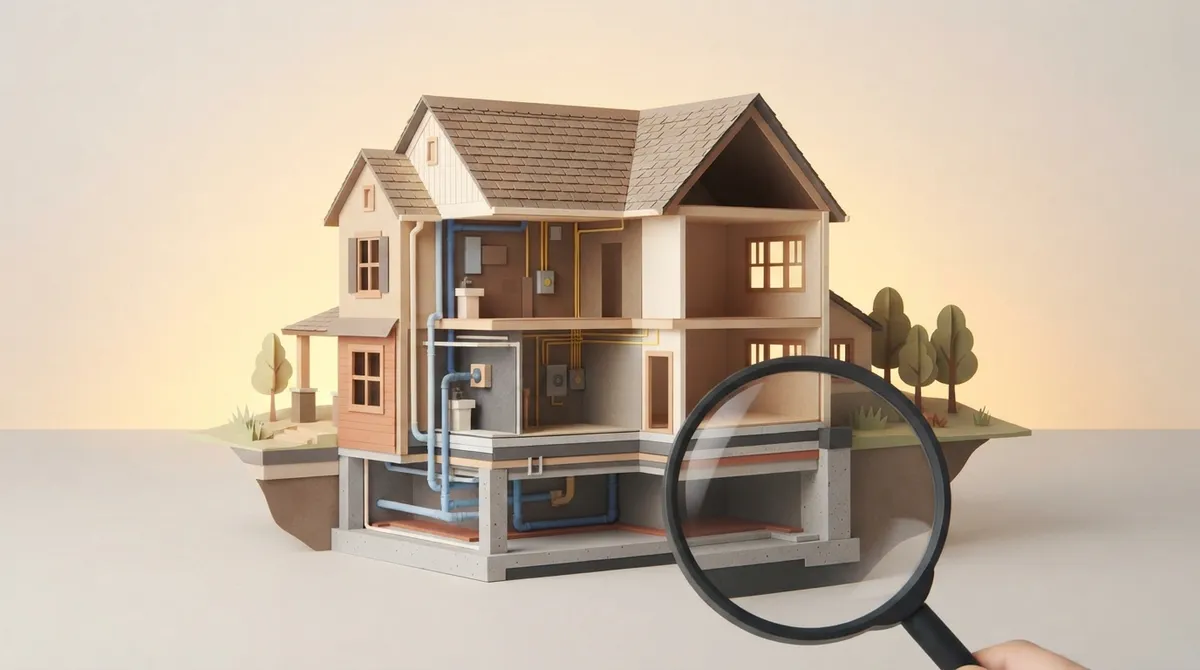
Florida law now mandates structural integrity reserve studies (SIRS) for buildings 25+ years old, tied directly to building safety and recertification approval—boards can no longer waive funding for flagged structural items as of December 31, 2024.
-
SIRS studies must be performed by licensed engineers or architects and cover eight specific components (roofing, load-bearing walls, foundation, fireproofing, plumbing, electrical, waterproofing, windows), with missing categories potentially delaying recertification.
-
Unresolved structural issues found in SIRS reports can block or delay building recertification approval from Broward County, making it critical to coordinate reserve study timelines with recertification deadlines to avoid last-minute crises.
-
SIRS studies differ fundamentally from standard reserve studies: while traditional studies budget for general maintenance, SIRS focuses exclusively on structural safety and costs approximately 10 times more but prevents costly emergency repairs.
-
Industry best practice recommends updating reserve studies every three years with fresh site visits to track asset condition changes and inflation, keeping funding plans accurate rather than relying on outdated estimates.
-
Starting the SIRS process early saves boards time and money by avoiding rushed inspections, special assessments, and fines—a structured roadmap of checking deadlines, gathering documents, and addressing repairs prevents costly delays.
If you sit on an HOA board in Sunrise, you’ve probably heard the term “reserve study” tossed around a lot lately. Maybe it’s making your head spin a little. That’s totally okay! Florida changed the rules on structural integrity reserve studies, and keeping up with new laws is nobody’s idea of a fun Tuesday afternoon.
Here’s the good news: understanding Sunrise HOA reserve studies doesn’t have to be complicated. We’ve broken down everything you need to know into 15 friendly, easy-to-digest facts. Whether you manage a condo tower near Sawgrass Mills or a smaller residential complex, this guide will help you feel confident about your building’s recertification path. Grab a coffee, and let’s walk through this together.

1. Sunrise HOA Reserve Studies Are Now Tied to Building Safety
Florida’s Structural Integrity Reserve Study (SIRS) law isn’t just about money anymore. It’s about keeping people safe. Licensed engineers or architects must inspect your building and combine that visual review with a 30-year funding plan for critical components.
This means your reserve study now works hand-in-hand with your 40 year recertification requirements. You can’t separate the money planning from the physical building condition anymore, and honestly, that makes a lot of sense.
2. There’s a Big Difference Between SIRS and Regular Reserve Studies
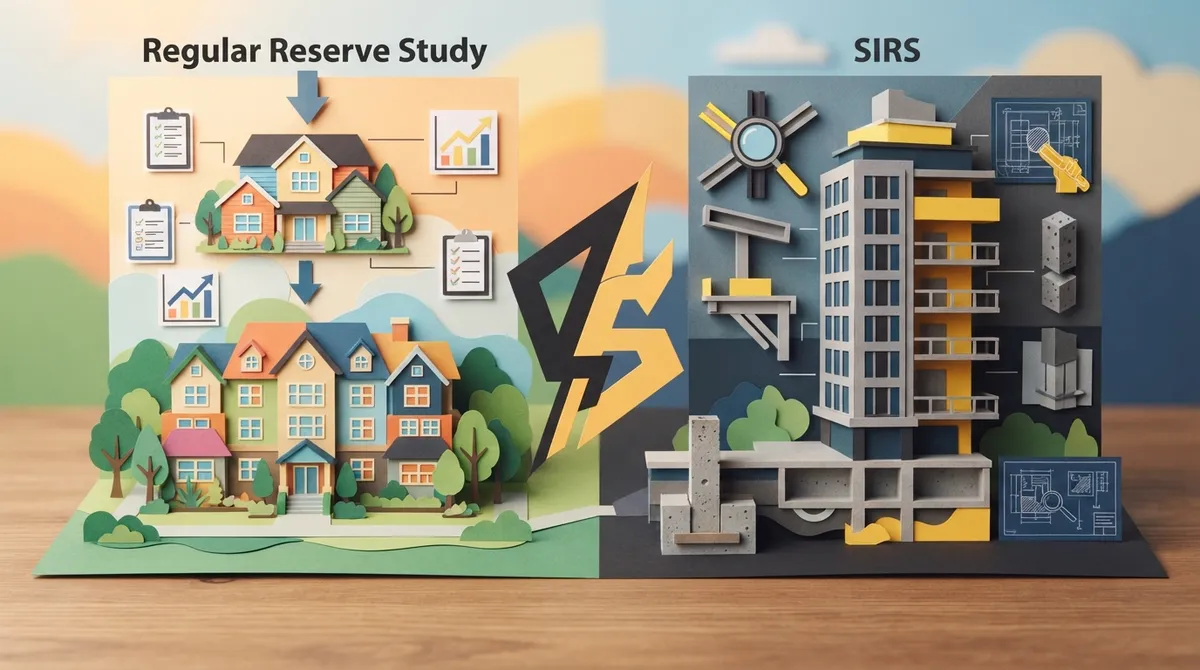
A traditional reserve study is a budgeting tool. It helps boards plan for painting, landscaping, and other routine upkeep. A SIRS, on the other hand, is laser-focused on structural safety items only.
Here’s a simple breakdown to help you tell them apart:
| Feature | Standard Reserve Study | SIRS |
|---|---|---|
| Who performs it | Reserve specialist or planner | Licensed engineer or architect |
| Focus | General maintenance items | Structural safety components only |
| Legal requirement | Optional in many cases | Mandatory for buildings 25+ years old |
| Waivable by owners | Sometimes | No, as of December 31, 2024 |
| Typical cost | Lower | Roughly 10x more than a standard study |
Both studies matter, but the SIRS is the one that directly affects your building’s recertification approval.
3. Sunrise Buildings Hit This Milestone at 25 Years Old
Once your building turns 25, Florida law says it’s time for a structural integrity reserve study. After that first inspection, updates happen roughly every 10 years alongside recertification cycles.
This timeline lines up closely with Broward County’s recertification schedule, so it’s smart to plan both processes together. Our friends at Florida Engineering LLC’s Sunrise recertification guide offers helpful background on how these timelines overlap.
4. You Can No Longer Waive Reserves for Structural Items
This one catches a lot of boards off guard. Before December 31, 2024, some communities could vote to waive or reduce reserve funding. Not anymore, at least not for items flagged in your SIRS.
If your structural integrity reserve study identifies a problem with your roof, foundation, or waterproofing, your community must fund the fix. No shortcuts, no skipping the line. It sounds strict, but it protects everyone living in the building.
5. Eight Components Must Be Covered in Every SIRS
Florida law is pretty specific about what your structural integrity reserve study needs to include. Here’s the full list your engineer will review:
- Roofing systems and their remaining lifespan
- Load-bearing walls and primary structural members
- Foundation condition and stability
- Fireproofing and fire protection systems
- Plumbing infrastructure throughout the building
- Electrical systems and wiring
- Waterproofing and exterior painting
- Windows and exterior doors
Missing even one of these categories can delay your recertification approval, so make sure your inspector covers all eight.
6. Reserve Studies and Structural Evaluations Aren’t the Same Timeline
Here’s something that trips up a lot of HOA managers: reserve studies get updated every one to five years, but full structural evaluations for recertification happen every five to ten years. They’re related, but they’re not identical events.
Think of it like this: your reserve study is the ongoing budget check-up, while your structural evaluation is the deep physical exam. Both matter, and both feed into whether your building passes recertification. For more on how these processes connect, check out our guide on 8 key steps in the building recertification process.
7. Costs Vary Depending on Building Size and Complexity
A lot of board members ask us, “How much will this actually cost?” Honestly, it depends on your building’s age, size, and how many structural systems need review. Larger buildings with more units naturally cost more to inspect thoroughly.
That said, skipping or delaying your SIRS almost always costs more in the long run. Emergency repairs, special assessments, and fines add up fast. Getting ahead of the process with proper planning saves money and stress down the road.
8. Best Practices Recommend a Three-Year Update Cycle
Industry experts suggest doing a full reserve study, then following up with smaller update studies every three years. These updates include a fresh site visit to check on asset conditions and adjust for inflation.
This approach keeps your numbers accurate instead of relying on outdated estimates. A lot can change in three years, from material costs to weather damage, so staying current really pays off.
9. Licensed Professionals Are Required, Not Optional
You can’t have just anyone perform your SIRS. Florida law requires a licensed engineer or architect to complete the visual inspection and reserve funding plan. This isn’t a job for a general contractor or a well-meaning board member with a clipboard.
Choosing the right professional matters a lot here. If you’re wondering how to pick the right team, our article on how to choose licensed building inspectors for recertification walks through exactly what to look for.
10. Florida Stands Alone in Tying Reserves to Safety
About 20 states across the country require some form of reserve study. But Florida’s approach is unique because it directly connects reserve funding to building safety and recertification, not just financial disclosure.
This makes Florida’s system stricter, but arguably smarter too. Other states focus purely on money planning. Florida asks: is this building actually safe, and do we have the funds to keep it that way?
11. SIRS Findings Can Delay or Block Recertification
This is the part that really matters for boards and property managers. If your SIRS uncovers major structural issues, and you haven’t budgeted or started repairs, your building’s recertification approval can stall.
Broward County won’t sign off on a building that’s still carrying unresolved safety concerns. That’s why coordinating your SIRS timeline with your recertification deadline is so important. You can learn more about how this process works in our piece on what is building recertification and why does it matter.
12. Commercial and Residential Buildings Both Need Attention
While a lot of the SIRS conversation centers on condos, commercial property owners shouldn’t tune out. Office towers, shopping plazas, and multi-family apartment buildings over three stories or 50 feet tall face similar structural review requirements.
If you’re managing a commercial threshold building, our resource on what does a commercial building inspection really cover is worth a read to understand your full obligations.
13. Technology Makes the Inspection Process Faster and More Accurate
Gone are the days of guys with ladders and clipboards taking rough measurements. Modern building recertification inspections use drones and 3D laser scanning to get precise data quickly.
This technology matters a lot for Sunrise HOA reserve studies because it produces clearer documentation of structural conditions. Better data means more accurate 30-year funding plans, which means fewer surprises down the road for your association.
14. A Strong Team Makes All the Difference
Choosing the right partner for your structural integrity reserve study isn’t something to rush. You want a team with real engineering credentials and deep South Florida experience.
At O’Reilly Consultants, we’re led by owner and qualifying architect Sherard O’Reilly, who brings serious expertise in ASTM E2018 property condition assessments and detailed building documentation. Our team also includes Construction Manager and Engineer Catalina Torres, who has 27 years of civil engineering experience, and Project Engineer Rafael Ojeda, who has completed over 1,000 Phase I Environmental Site Assessments across South Florida. This kind of depth matters when your building’s safety and compliance are on the line.
Here are a few things a strong reserve study partner should offer:
- Licensed engineers or architects performing every inspection
- Clear, detailed reports with actionable recommendations
- Drone and 3D scanning technology for accurate assessments
- Experience with Broward and Miami-Dade county requirements
- Support navigating both SIRS and recertification deadlines
- Transparent pricing with no hidden surprises
15. Getting Started Sooner Saves Time and Money Later
The biggest mistake we see boards make is waiting until the last minute. Recertification notices from the county have deadlines, and structural integrity reserve studies take time to complete properly.
Here’s a simple roadmap to help you get moving:
- Check your building’s age and upcoming recertification deadline
- Contact a licensed engineering firm to schedule your SIRS
- Gather previous inspection records and building documents
- Review the SIRS findings with your full board
- Update your reserve funding plan based on the results
- Address any structural repairs flagged during inspection
- Submit required documentation to the county on time
Following these steps in order keeps your association on track and avoids that dreaded last-minute scramble.
Why Sunrise Boards Trust O’Reilly Consultants
We understand that navigating Miami-Dade County Recertification rules and Broward’s parallel requirements can feel overwhelming. That’s exactly why our small, specialized team focuses entirely on building recertification and safety-focused inspections throughout the region.
We handle everything from structural and electrical inspections to property condition assessments and full structural integrity reserve studies for Sunrise communities. You can also browse Miami-Dade’s recertification case search tool to see how similar buildings in the area have handled their compliance journey. Don’t just take our word for it either, you can see what our O’Reilly Consultants customers say on Google before reaching out.
Wrapping It All Up
Sunrise HOA reserve studies don’t have to feel like a mystery anymore. With Florida’s SIRS requirements now firmly in place, boards that plan ahead will always come out ahead. You’ve got the facts, you understand the timeline, and you know what a strong engineering partner looks like.
If you’re ready to get your building’s structural integrity reserve study started the right way, our team is here to help every step of the way. Request a free quote today, or call us at (512) 567-1191 to talk through your building’s specific timeline. Your community’s safety and financial health are worth getting right.
FAQs
Q: What is the difference between a SIRS and a regular HOA reserve study in Florida?
A: A regular reserve study covers general maintenance items like painting and landscaping, while a SIRS focuses only on structural safety components like roofs and foundations. A licensed engineer or architect must perform the SIRS, and it’s now a mandatory part of building recertification in Sunrise and across Florida.
Q: When does a Sunrise HOA building first need a structural integrity reserve study?
A: Buildings turn 25 years old, they need their first SIRS under Florida law. After that, updates typically follow every 10 years alongside the recertification cycle, so it’s smart to plan both together.
Q: Can Florida HOA members waive reserves for structural integrity items after 2024?
A: Nope, not anymore! As of December 31, 2024, owners can no longer vote to waive reserve funding for any item identified in a structural integrity reserve study. This change keeps communities financially prepared for necessary safety repairs.
Q: How much does a Structural Integrity Reserve Study cost in Broward County?
A: Costs vary based on building size and complexity, but SIRS studies typically run about 10 times more than a standard reserve study. It’s a bigger upfront investment, but it saves your association from costly surprises and delayed recertification down the road.
Q: How do SIRS findings affect building recertification approval in Sunrise, FL?
A: If your SIRS uncovers unresolved structural issues, your building’s recertification approval can get delayed until repairs are addressed. That’s why coordinating your reserve study timeline with your recertification deadline is so important for a smooth process.