

Key Takeaways
-
Florida's SIRS rule generally applies only to condominium and cooperative buildings with three or more habitable stories, so confirm your building's status with DBPR and local authorities before acting.
-
A SIRS has two parts: a visual inspection by a Florida-licensed engineer, architect, or qualifying reserve specialist, and a financial analysis showing funding needed for future repairs.
-
A completed SIRS does not certify building safety or satisfy local recertification requirements, so boards may need separate milestone inspection or recertification reports.
-
Covered associations generally must complete a SIRS at least once every 10 years, and DBPR lists December 31, 2025 as the initial deadline for many associations existing before July 1, 2022.
-
Prepare for the inspection by unlocking roof and utility spaces, assigning a knowledgeable contact, and gathering past repair records, warranties, and reports on leaks or water intrusion.
-
Avoid treating the SIRS as a safety certificate or ignoring its funding plan; the study only helps if the board uses it to set reserves and budget accordingly.
If you serve on a condo board in Sea Ranch Lakes, you have probably heard the term “structural integrity reserve study” more than once lately. Maybe it came up at a board meeting. Maybe a neighbor asked about it at the mailbox. Either way, you are not alone if it feels a little confusing.
Here is the good news: a Sea Ranch Lakes structural integrity reserve study is very doable when you break it into steps. It is a Florida planning and funding requirement. It helps your association know what major repairs are coming and how to pay for them. It is not a scary document. It is a roadmap.
In this guide, we will walk through what a SIRS is, who needs one, what it covers, and how to get it done without the stress. We will also clear up the difference between a SIRS and building recertification, since many owners mix them up. Let’s dive in together.

What Is a Structural Integrity Reserve Study?
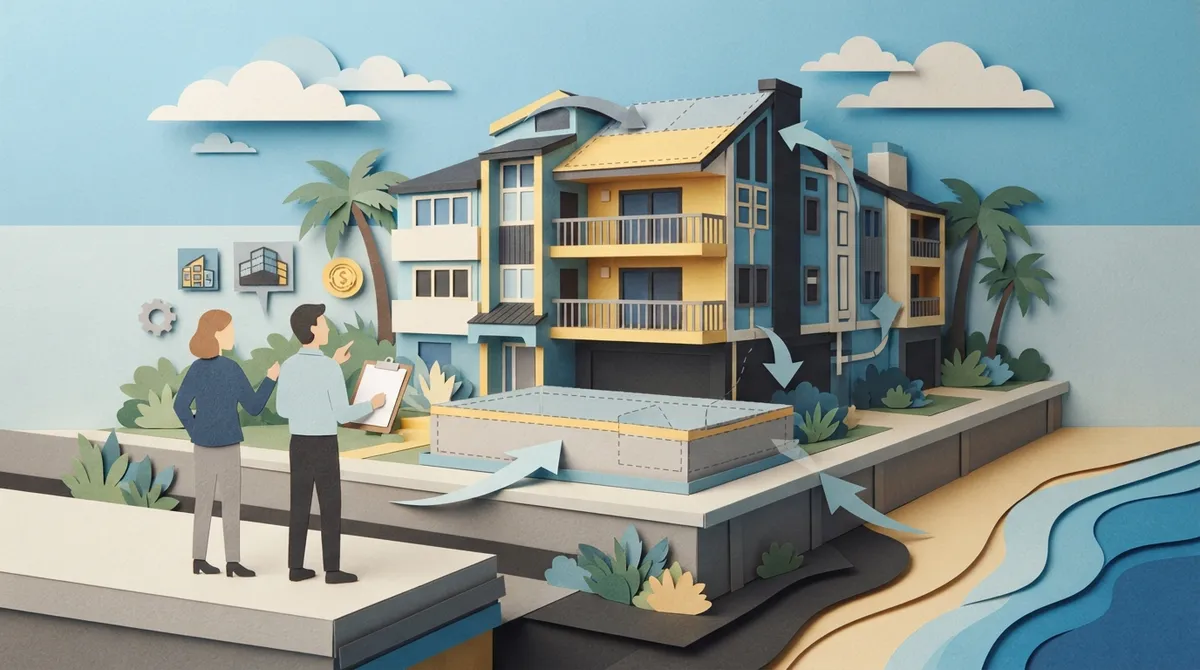
A structural integrity reserve study, often called a SIRS, is a Florida reserve-planning requirement for certain condominium and cooperative buildings. It estimates the condition, remaining useful life, and replacement cost of key building components. Then it shows how much money the association should set aside to pay for that work.
Think of it like a long-term health plan for your building. A doctor checks your health, spots future needs, and helps you plan. A SIRS does the same for your roof, structure, and major systems.
A SIRS has two main parts:
- A visual inspection of the covered building components
- A financial analysis that shows the funding needed for future repairs and replacements
The visual part must be done or verified by a Florida-licensed engineer or architect, or by a qualifying reserve specialist or professional reserve analyst, as allowed by Florida law.
Does Your Sea Ranch Lakes Building Need One?
This is the first question most boards ask. The short answer: it depends on your building.
Florida’s SIRS rule generally applies to condominium and cooperative buildings with three or more habitable stories. It does not automatically apply to every home or every association in Sea Ranch Lakes. Whether it applies to you depends on the building type, how it is legally owned, and who is responsible for maintaining it.
Sea Ranch Lakes is a small village in Broward County. We have not found a Sea Ranch Lakes-specific SIRS rule. So the state requirement is the one to focus on. To be safe, confirm your situation with the Florida Department of Business and Professional Regulation (DBPR) and with the Village or Broward County before you rely on any general deadline.
You can also read our Sea Ranch Lakes Structural Integrity Reserves Studies (SIRS) page for more local detail.
What Does a SIRS Cover?
Florida law lists specific building components that a SIRS must address. Knowing the list helps you prepare and ask good questions.
| Covered Component | What It Means for Your Building |
|---|---|
| Roof | Condition, age, and replacement timeline |
| Primary structural systems | Load-bearing walls, floors, and framing |
| Fireproofing and fire protection | Fire-rated materials and protection systems |
| Plumbing | Supply and drain lines serving the building |
| Electrical systems | Main service and common electrical components |
| Waterproofing and exterior painting | Barriers that keep water out of the structure |
| Windows and exterior doors | Openings that protect against weather and water |
| Other costly items | Items over $25,000 whose failure could affect the listed components |
That last row is a catch-all. If the inspection finds that an item above the cost threshold could harm the other listed components if it fails, it goes in the study. The dollar threshold can change with statutory inflation adjustments, so double-check the current figure.
SIRS vs. Milestone Inspection vs. Recertification
This is where many owners get tangled up. These three things are related, but they are not the same. A SIRS plans and funds future work. An inspection checks the physical condition of the building today.
| Item | Main Purpose | What You Get |
|---|---|---|
| SIRS | Plan and fund future major repairs | Component list, useful life, costs, and funding schedule |
| Milestone inspection | Check structural condition and spot deterioration | Findings on structural safety and needed repairs |
| Building recertification | Confirm the building meets local safety requirements | Inspection report and compliance documentation |
One key point: completing a SIRS does not certify that your building is safe. It also does not satisfy local recertification requirements on its own. You may need more than one report. To learn more about how these fit together, see our guide on SIRS vs. Milestone Inspection: Which Does Your Condo Need? and our overview, What Is Building Recertification and Why Does It Matter?
Understanding SIRS Deadlines
Deadlines are the part that keeps boards up at night. Let’s keep it simple and honest.
Florida DBPR guidance says covered associations generally must complete a SIRS at least once every 10 years. It lists December 31, 2025 as the initial deadline for many unit-owner-controlled associations that existed on or before July 1, 2022. It also describes a limited option to coordinate a SIRS with a milestone inspection that is due by December 31, 2026.
It is now October 2026, so timing matters. If your association has not completed a SIRS, talk to a qualified professional right away. Also check current statutes, since rules and guidance can change. DBPR also describes a reporting step after completion, with a 45-day window, and notes that associations must provide the completed SIRS when the department asks. Verify the current filing steps directly with DBPR.
How to Complete Your Sea Ranch Lakes SIRS: Step by Step
Ready to get moving? Here is a clear path your board can follow.
- Confirm applicability. Check whether your building has three or more habitable stories and falls under the condominium or cooperative rule.
- Gather your records. Pull building plans, past inspection reports, repair invoices, warranties, and your current reserve study.
- Check your deadline. Review DBPR guidance and your association’s situation to know how much time you have.
- Hire a qualified professional. Choose a Florida-licensed engineer, architect, or qualifying reserve specialist for the visual inspection.
- Schedule the site inspection. Give the team access to roofs, mechanical rooms, electrical rooms, and common areas.
- Review the draft. Read the findings and funding analysis. Ask questions about anything unclear.
- Adopt the funding plan. Work with your attorney and manager to fold the results into your budget and reserves.
- File and share the report. Provide the completed study as required and keep copies for owners and future buyers.
Taking these steps in order keeps things calm and organized. It also helps you avoid last-minute scrambling.
How to Prepare Your Building for the Inspection
A little prep goes a long way. The inspector can work faster and more accurately when your property is ready.
- Unlock roof access, electrical rooms, and utility spaces ahead of time
- Have a contact person available who knows the building well
- Collect past repair records, especially for roofing, waterproofing, and plumbing
- Note any known leaks, cracks, or past water intrusion
- Share any recent milestone or recertification reports
If you have photos of past issues, share those too. They give the inspector helpful context. Our guide on understanding foundation cracks and hairline cracks can help you tell the difference between minor wear and bigger concerns.
Who Should Perform Your SIRS?
Choosing the right professional matters. Florida law says the visual inspection must be performed or verified by a Florida-licensed engineer or architect, or by a qualifying reserve specialist or professional reserve analyst, as provided in the statute.
Beyond the license, look for a team that:
- Has real experience with South Florida buildings and local conditions
- Explains findings in plain language, not confusing jargon
- Delivers clear, organized reports with practical next steps
- Understands both reserve planning and building inspections
This is where O’Reilly Consultants shines. Our small, specialized engineering team serves Broward and Miami-Dade Counties with a sharp focus on building recertification and safety-focused inspections. We use tools like drones and 3D laser scanning to evaluate buildings thoroughly and safely. That means faster, more accurate assessments and detailed reports with clear, actionable recommendations. Learn more about our team, led by owner and qualifying architect Sherard O’Reilly.
You can also read our tips on how to choose licensed building inspectors for recertification before you make a decision.
Common Mistakes to Avoid
Even careful boards trip up sometimes. Watch out for these common missteps:
- Waiting too long. Delays can lead to rushed work and higher costs.
- Treating a SIRS like a safety certificate. It plans funding. It does not certify safety.
- Skipping records. Missing documents slow the process and can reduce accuracy.
- Ignoring the funding plan. The study only helps if the board uses it to set reserves.
- Assuming every building is the same. Always confirm your own building’s requirements.
For more on avoiding pitfalls, check out 7 Professional Building Inspection Mistakes You Must Avoid.
How a SIRS Connects to Recertification and Other Reports
Many Sea Ranch Lakes owners will also need to think about recertification, milestone inspections, electrical safety checks, or reserve studies. These reports often overlap in timing, and coordinating them can save time and money.
For example, you might pair your SIRS work with an electrical review, since electrical systems are part of the SIRS component list. Our guide on Sea Ranch Lakes electrical safety inspections explains that side of things. If you manage a homeowners association, our Sea Ranch Lakes HOA reserve study guide is a helpful read. And if you are weighing different report types, see PCA vs. Building Inspection: Which Does Sea Ranch Lakes Need?
You can also look at how nearby cities handle things. Our Margate structural integrity reserve study guide shows a similar process in another Broward community. If your building also faces a milestone review, read How to Handle Your Sea Ranch Lakes Milestone Inspection.
For broader context, Miami-Dade County publishes helpful information on its building recertification program, and you can use its building recertification case search to see how records are tracked. While Sea Ranch Lakes is in Broward County, these resources show how recertification typically works in South Florida.
Why Local Records Matter
Where can Sea Ranch Lakes owners find their building’s inspection and reserve-study records? Start with your association. Boards should keep SIRS reports, inspection findings, and reserve schedules on file. Owners often have the right to review official records under Florida law.
You can also contact the Village of Sea Ranch Lakes and Broward County authorities to confirm the recertification schedule, submission process, and inspection scope for your property. Keeping organized records makes every future inspection easier and helps with resale, refinancing, and insurance too.
Get Help from a Team You Can Trust
A SIRS does not have to be stressful. With the right team, you get a clear report, a realistic funding plan, and peace of mind. O’Reilly Consultants guides you through each step, from reviewing your requirements to delivering a detailed, easy-to-read report. We also offer building recertification, electrical and illumination safety inspections, property condition assessments, and HOA reserve studies, so you can handle everything with one trusted partner.
Curious what other property owners think? See what our O’Reilly Consultants customers say on Google.
Final Thoughts
Your Sea Ranch Lakes structural integrity reserve study is really about protecting your building, your neighbors, and your investment. Confirm whether your building is covered, watch your deadlines, hire a qualified Florida professional, and use the results to build a smart funding plan. Take it one step at a time, and you will get there.
Ready to get started? Request a free quote today, or call us at (512) 567-1191 to talk with our team. We would love to help your building stay compliant, safe, and ready for the future.
FAQs
Q: Does a Sea Ranch Lakes condominium need a structural integrity reserve study?
A: It might. Florida’s SIRS rule generally applies to condominium and cooperative buildings with three or more habitable stories. It does not cover every home or association, so confirm your building’s status with Florida DBPR and the Village or Broward County.
Q: How is a SIRS different from a milestone inspection or building recertification?
A: A SIRS plans and funds future major repairs, while a milestone inspection or recertification checks the building’s current physical condition. Completing a SIRS does not certify safety or satisfy local recertification on its own, so you may need more than one report.
Q: What does a Florida structural integrity reserve study include?
A: It includes a visual inspection and a financial analysis. It covers the roof, primary structure, fireproofing and fire protection, plumbing, electrical systems, waterproofing and exterior painting, windows and exterior doors, and other costly items that could affect those components.
Q: Who can perform a SIRS in Florida?
A: The visual inspection must be performed or verified by a Florida-licensed engineer or architect, or by a qualifying reserve specialist or professional reserve analyst, as provided by Florida law. Always confirm credentials before you hire.
Q: How often does a SIRS need to be updated?
A: Florida DBPR guidance says covered associations generally must complete a SIRS at least every 10 years. Deadlines can vary by association, so verify the current rules and your own timeline with DBPR and your attorney.