
Key Takeaways
-
Sea Ranch Lakes coastal buildings must undergo milestone inspections at 25 years (not 30) due to Broward County Policy 05-05, which applies to structures within three miles of the coastline—missing this earlier deadline could result in non-compliance.
-
Milestone inspections occur in two phases: Phase 1 is a visual structural examination that may be sufficient if no issues are found, while Phase 2 involves detailed testing and engineering analysis only if substantial deterioration is detected.
-
Only Florida-licensed architects or engineers can legally perform and seal milestone inspection reports; choosing inspectors experienced with coastal buildings and Broward County procedures ensures accuracy and compliance with local requirements.
-
After the initial milestone inspection, Broward County requires recurring inspections every 10 years; associations should track this separate 10-year cycle alongside other requirements like Structural Integrity Reserve Studies (SIRS) with different deadlines.
-
Milestone inspections differ from Broward recertification (which covers structural and electrical compliance) and SIRS (which focuses on reserve funding); many associations need all three, so tracking each deadline independently is essential.
-
Building owners should gather certificates of occupancy, prior inspection reports, building plans, and repair records before inspections to speed up the process and provide inspectors with accurate historical information for assessment.
If you own or manage a condo building in Sea Ranch Lakes, you’ve probably heard the phrase “milestone inspection” more than a few times. Maybe it came up at a board meeting. Maybe your property manager mentioned it and then quickly changed the subject. Either way, you’re not alone if you feel a little unsure about what it actually means for your building.
Here’s the good news: a Sea Ranch Lakes milestone inspection doesn’t have to be confusing or scary. Once you understand the basic rules, the timeline, and what happens during the inspection, you can move forward with confidence. This guide walks you through everything, step by step, in plain language. And if you ever want expert help along the way, O’Reilly Consultants is right here in Broward County, ready to guide you through the process.
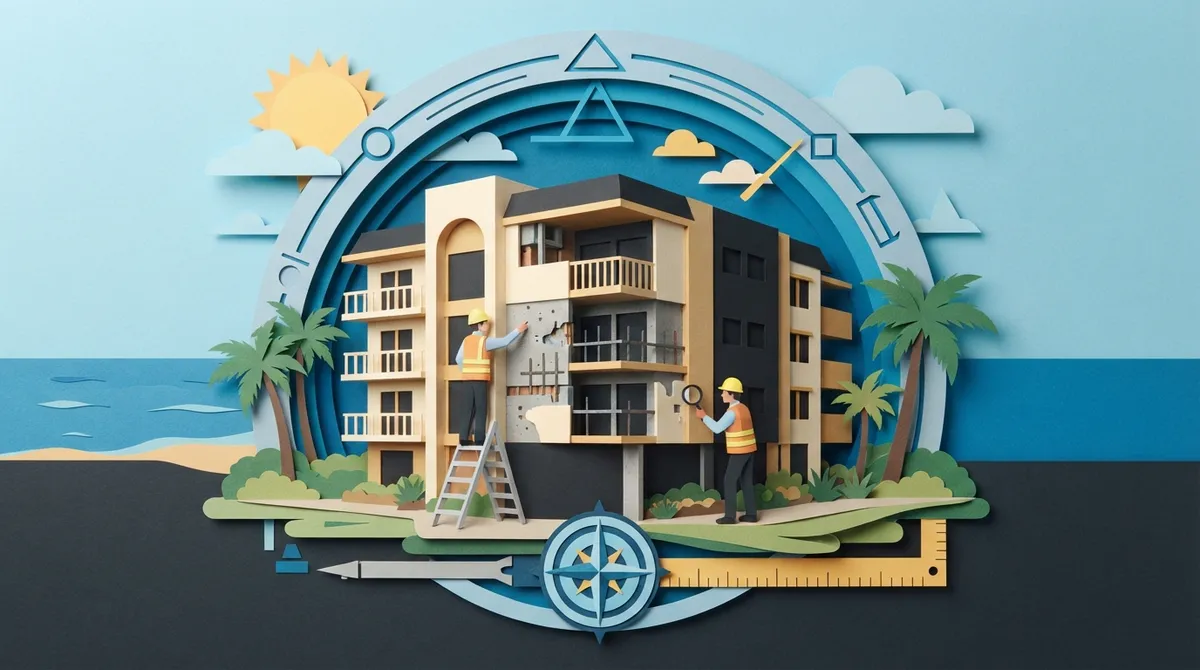
What Is a Sea Ranch Lakes Milestone Inspection?
A milestone inspection is a required structural safety check for certain older condo and co-op buildings. It’s not optional. Florida law created this requirement after tragic building failures showed just how important it is to catch structural problems early.
Since Sea Ranch Lakes sits in Broward County, buildings here follow both state law and Broward County’s local rules. That combination matters a lot, because Broward has its own timeline that can kick in earlier than the general state rule.
Why Sea Ranch Lakes Follows a Different Clock
Most people hear about the 30-year rule for milestone inspections. That’s the general statewide standard under Florida Statute §553.899. But if your building sits within three miles of the coastline, Broward County Board of Rules and Appeals Policy 05-05 says you may need to complete your first inspection at 25 years instead.
Since Sea Ranch Lakes is a coastal community, many buildings here fall under this earlier 25-year threshold. That’s a full five years sooner than buildings further inland. Waiting until the 30-year mark, if your building actually qualifies at 25, could put your association out of compliance.

25 Years or 30 Years? How to Know Which One Applies
This is the question we hear most often, and it’s a smart one to ask early. Here’s how the age threshold typically works:
- Check your building’s certificate of occupancy date. This is your official starting point for counting years.
- Confirm your building has three or more habitable stories. Buildings shorter than that generally don’t fall under the milestone inspection law.
- Measure the distance from your building to the coastline. If it’s within three miles, the earlier 25-year threshold likely applies.
- Confirm your building is a condominium or cooperative. The milestone law targets these ownership types specifically.
- Verify with the local building official. Broward County can confirm your exact classification and inspection deadline.
Don’t guess on this one. Getting the age threshold wrong can mean missing your deadline without even realizing it. If you’re unsure, our team can help you sort out the details specific to your building’s history and location.
The Two Phases of a Milestone Inspection
A lot of board members are surprised to learn that milestone inspections happen in stages. Understanding this upfront can save you a lot of stress later.
Phase 1: The Visual Check
Phase 1 is a visual examination of your building’s structural components. A licensed architect or engineer walks through habitable and non-habitable areas, looking at things like:
- Load-bearing walls and columns
- Roof structures and connections
- Balconies, railings, and walkways
- Foundation and slab conditions
- Any visible cracking, spalling, or corrosion
If everything looks structurally sound, Phase 1 may be all that’s required. Many buildings pass at this stage with no further action needed beyond routine maintenance recommendations.
Phase 2: Digging Deeper
If the inspector finds signs of substantial structural deterioration, Phase 2 becomes necessary. This phase involves more hands-on investigation, which might include:
- Testing concrete or steel samples
- Destructive or partially destructive investigation of suspect areas
- Detailed engineering analysis to determine the extent of any damage
- Recommendations for repair timelines and methods
Phase 2 sounds intense, but try not to panic if your building needs it. It simply means the professionals want a closer look to make sure everyone stays safe. Many buildings complete Phase 2 with manageable repair plans.
Who Can Actually Perform This Inspection?
Not just anyone can sign off on a milestone inspection. Florida law requires the work to be done by a licensed architect or engineer who meets specific qualifications. This professional prepares and seals the final report, then submits it to the local building official and shares it with your association.
Choosing the right inspector matters just as much as choosing the right timeline. You want someone experienced with coastal buildings, familiar with Broward County’s specific procedures, and comfortable using modern inspection tools. Our team at O’Reilly Consultants uses drones and 3D laser scanning to get accurate, detailed results without unnecessary delays or disruptions to residents.
Milestone Inspection vs. Recertification vs. SIRS: What’s the Difference?
This trips up a lot of board members, so let’s clear it up. These three things sound similar but serve different purposes.
| Requirement | What It Checks | Who It Applies To |
|---|---|---|
| Milestone Inspection | Structural condition and safety of the building | Condos and co-ops, 3+ stories, at 25 or 30 years |
| Broward Recertification | Structural and electrical systems for compliance | Buildings meeting Broward’s local BSIP thresholds |
| SIRS | Reserve funding needs for structural components | Condo and co-op associations statewide |
A milestone inspection can sometimes satisfy Broward’s recertification requirement when it’s done under the county’s prescribed procedures. But a Structural Integrity Reserve Study is a completely separate requirement focused on your reserve funds, not your building’s physical safety. Many associations end up needing both. You can learn more in our detailed breakdown of Sea Ranch Lakes Structural Integrity Reserves Studies (SIRS).
If you want a broader look at how Broward’s recertification program works alongside milestone inspections, check out our article on 6 Facts About Broward Recertification Inspections (2026).
What Happens If Your Building Fails?
Nobody wants to hear their building has structural issues. But finding problems early is actually a good thing. It means you can fix them before they become dangerous or expensive.
If your inspection reveals substantial deterioration, here’s generally what happens next:
- The engineer moves forward with Phase 2 testing to assess the full scope of the problem.
- A detailed report is submitted to the local building official with findings and recommendations.
- Your association receives the report and must share it with all owners, along with any required notices.
- Repairs get planned, permitted, and scheduled based on the severity of the findings.
- Reserve budgets may need updating to cover the cost of repairs.
This process protects everyone living in the building. It also protects your association from bigger liability down the road. Waiting or ignoring findings almost always leads to worse outcomes, both financially and structurally.
Getting Your Documents Ready Before the Inspection
A little preparation goes a long way. Before your inspector arrives, gather these items:
- Certificate of occupancy showing the original completion date
- Any prior inspection or engineering reports
- Building plans or as-built drawings, if available
- Records of past repairs or renovations
- Association bylaws related to inspection notifications
Having this paperwork organized speeds up the process and helps your engineer give you a more accurate assessment. If you’re not sure what counts as a “habitable story” or how your prior inspection history factors in, our team can walk you through it during a consultation.
How Often Do You Need to Repeat This Inspection?
Once your building completes its first milestone inspection, you’re not done forever. Broward County Board of Rules and Appeals Policy 05-05 requires recurring inspections every 10 years after the initial one. Mark this on your association’s long-term calendar so it never sneaks up on you.
This is also a good time to think about your Structural Integrity Reserve Study. Many associations established before July 1, 2022 have an extended deadline of December 31, 2026, for their initial SIRS. That’s a separate clock from your milestone inspection, so keep both dates tracked independently.
What Does It Cost?
Costs vary based on building size, complexity, and whether Phase 2 testing becomes necessary. Smaller buildings with straightforward Phase 1 results typically cost less than larger properties requiring detailed testing. The best way to get an accurate number is to request a quote based on your building’s specific details rather than relying on general estimates you might find online.
Why Choose Local Expertise for Your Milestone Inspection
Sea Ranch Lakes is a small, tight-knit community, and your building deserves an inspection team that understands the local coastal conditions, Broward County procedures, and the specific challenges older buildings face near the water. O’Reilly Consultants brings exactly that kind of focused expertise.
Our team is led by owner and qualifying architect Sherard O’Reilly, who has deep experience with property condition assessments and detailed building documentation. We’re also supported by Construction Manager and Engineer Catalina Torres, who brings 27 years of civil engineering experience, and Project Engineer Rafael Ojeda, who has completed over 1,000 environmental assessments across South Florida. Together, this team delivers thorough, accurate reports you can trust.
We also use advanced technology like drones and 3D laser scanning to speed up inspections while improving accuracy. This means less disruption for your residents and faster turnaround on your final report. If you want to see how our process compares to a standard building check, take a look at What Does a Commercial Building Inspection Really Cover?
Curious what past clients have experienced? You can visit us on Google to see reviews from O’Reilly Consultants customers across Broward and Miami-Dade Counties.
A Few Extra Resources Worth Bookmarking
Since milestone inspections often overlap with other recertification requirements, these related guides might help round out your understanding:
- 40-Year Building Recertification: What Florida Owners Must Know
- How to Choose Licensed Building Inspectors for Recertification
- 8 Key Steps in the Building Recertification Process (2026)
- 7 Key Facts About Sea Ranch Lakes Electrical Safety Inspections
You might also find it helpful to review official guidance from Miami-Dade County Recertification or search existing case records through Search Miami-Dade Building Recertification Cases, even though your building is in Broward, since the two counties often share similar procedural approaches.
Final Thoughts: You’ve Got This
Milestone inspections can feel overwhelming at first, especially with all the dates, phases, and paperwork involved. But once you break it down step by step, it’s really just a process designed to keep everyone in your building safe. And you don’t have to figure it out alone.
Whether you’re just starting to research your building’s age threshold or you’re ready to schedule an inspection, our team is here to help every step of the way. We proudly serve Sea Ranch Lakes and the surrounding Broward communities with the kind of thorough, honest inspection work your association deserves.
Ready to get started? Request your free quote today or call us at (512) 567-1191 to talk through your building’s specific timeline. We’re happy to answer questions, no pressure at all.
FAQs
Q: Does a Sea Ranch Lakes condominium need a milestone inspection at 25 or 30 years?
A: It depends on your building’s distance from the coastline. Since Sea Ranch Lakes is a coastal community, many buildings here fall under Broward County’s earlier 25-year threshold rather than the general 30-year rule. It’s always best to confirm your building’s exact classification with a licensed professional so you don’t miss your deadline.
Q: What is the difference between a milestone inspection, Broward recertification, and a SIRS?
A: Great question, and one we get a lot! A milestone inspection checks your building’s structural safety, Broward recertification covers both structural and electrical compliance, and a SIRS focuses on reserve funding for future repairs. Many associations end up needing all three, so it helps to track each one separately.
Q: Who is qualified to perform a milestone inspection for a Sea Ranch Lakes condominium?
A: Only a Florida-licensed architect or engineer with the right qualifications can perform and seal a milestone inspection report. Choosing someone experienced with coastal buildings and Broward County procedures, like our team at O’Reilly Consultants, makes the whole process smoother and more accurate.
Q: What happens if a Sea Ranch Lakes building fails its milestone inspection?
A: Don’t worry, finding issues early is actually a positive outcome! If substantial deterioration is found, your building moves into Phase 2 for deeper testing, and your association will receive a detailed report with repair recommendations. This process protects residents and helps you plan repairs before problems get bigger or more costly.
Q: How often must a milestone inspection be repeated after the first one?
A: After your building’s first milestone inspection, Broward County requires follow-up inspections every 10 years. It’s a good idea to mark this on your association’s long-term planning calendar so it never catches your board by surprise.