Key Takeaways
-
A Tamarac SIRS is a Florida state requirement, not a City of Tamarac program, so deadlines and rules come mainly from state statutes and DBPR guidance.
-
Associations existing on or before July 1, 2022 were to complete their SIRS by December 31, 2025; studies done with a milestone inspection may be due no later than December 31, 2026.
-
A SIRS does not certify building safety; it estimates component life and repair costs to build a reserve funding schedule, while milestone inspections check structural safety.
-
The visual inspection portion of a SIRS must be performed by a Florida-licensed engineer or architect, or verified by a qualified professional as the statute allows.
-
Combining a milestone inspection and SIRS in one site visit can reduce resident disruption and vendor back-and-forth, but each report must still meet its own legal requirements.
-
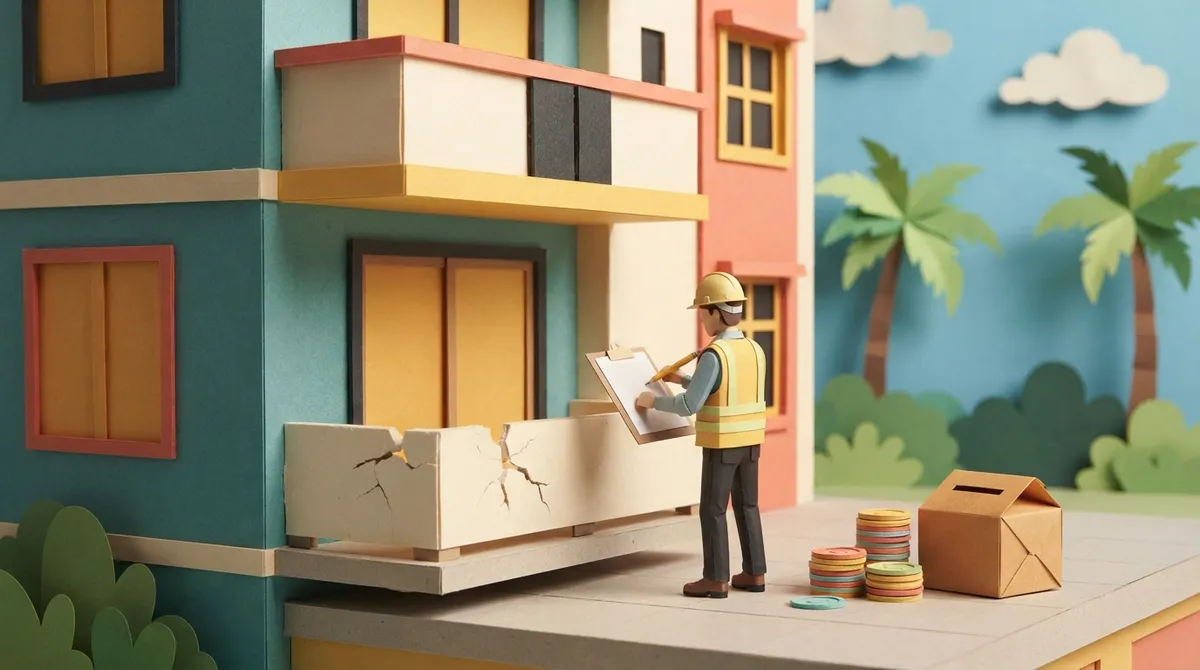
If deterioration is found, review the report with your engineer, separate urgent from scheduled repairs, follow notice steps, get contractor estimates, and update the reserve plan promptly.
If you serve on a Tamarac condo board, you have probably heard the letters SIRS tossed around at meetings. Maybe you nodded along while quietly wondering what it all means. Good news: you are not alone, and this is much easier to understand than it sounds.
A Tamarac structural integrity reserve study is Florida’s way of making sure condo associations plan and save for big structural repairs before they become emergencies. It is not a separate City of Tamarac program. It comes from state law, and it works alongside other requirements like milestone inspections and local recertification.
In this friendly guide, we walk through 13 facts that every board member, property manager, and owner should know in 2026. We keep the language simple, share clear tables, and point you to helpful next steps. Grab a cup of coffee, and let’s make this feel doable.
1. A SIRS Is a State Rule, Not a Tamarac City Program
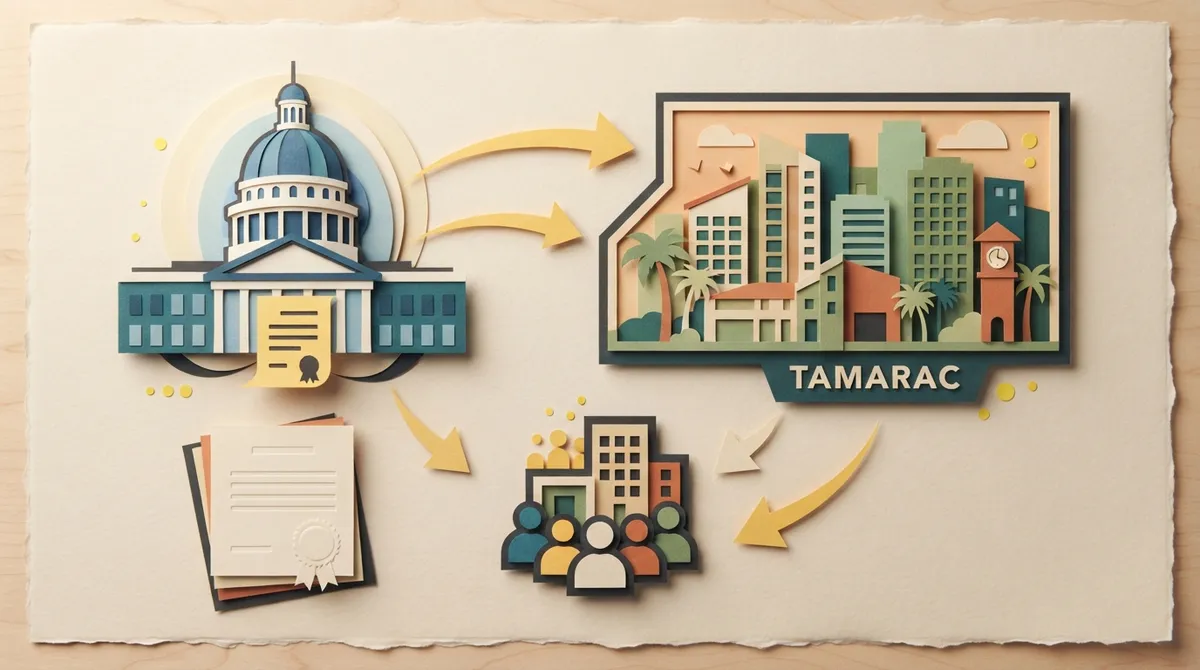
Let’s clear up the biggest point of confusion first. A Tamarac structural integrity reserve study follows Florida law for condominium and cooperative reserve planning. The City of Tamarac does not run its own separate SIRS program.
Why does that matter? Because your deadlines and rules come mostly from state statutes and the Florida Department of Business and Professional Regulation (DBPR). Your local enforcement agency still plays a role in other inspections, so you want to check both sources.
For a deeper local overview, see our guide on what Tamarac condo boards need to know about SIRS.
2. What a SIRS Actually Does
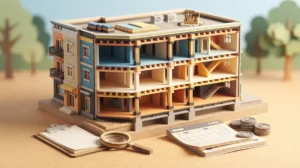
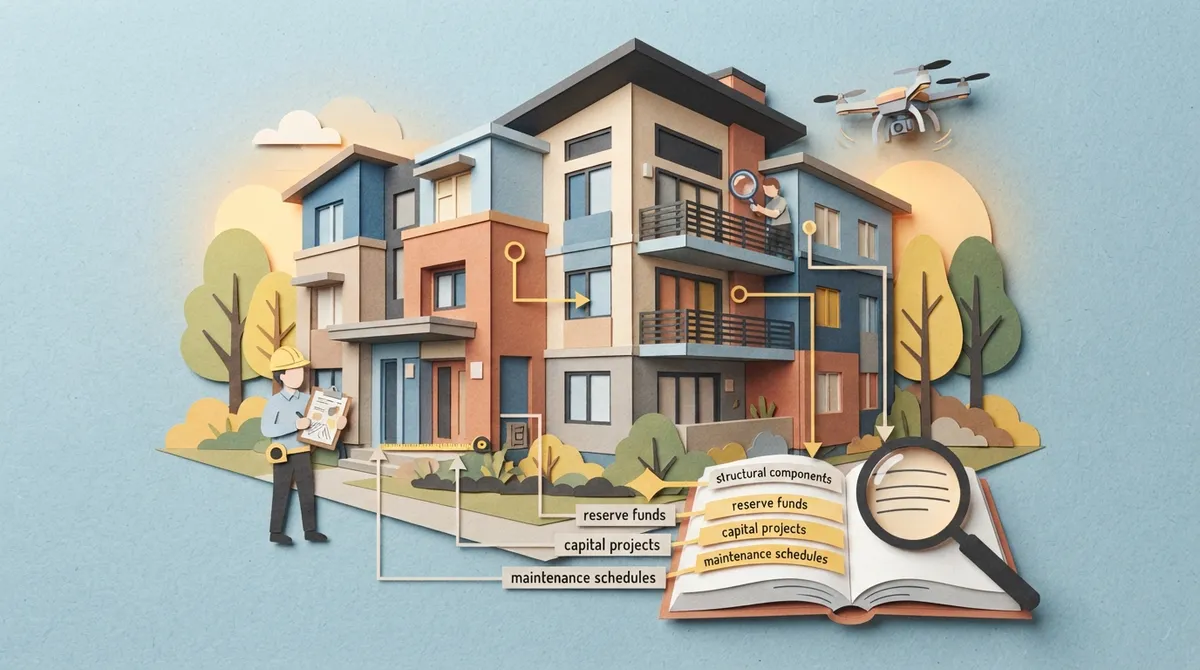
Think of a SIRS as a financial and physical checkup for your building. It looks at the major parts that keep your building standing and safe. Then it estimates how long each part should last and what it will cost to fix or replace.
A good study includes three main pieces:
- A visual assessment of key building components
- Estimated remaining useful life for each component
- A reserve funding schedule showing how much to save and when
That funding schedule is the real star. It helps boards avoid surprise special assessments that make owners groan.
3. The Components a SIRS Must Cover
Florida’s rules list specific building parts that a SIRS needs to evaluate. If your report skips any of these, it may not meet the standard.
| Component | Why It Matters |
|---|---|
| Roof | Protects everything below it from water damage |
| Structure and primary structural members | Holds the building up |
| Floors | Supports residents and loads |
| Foundations | Keeps the whole building stable |
| Fireproofing and fire protection systems | Protects lives during a fire |
| Plumbing | Prevents leaks and costly water damage |
| Electrical systems | Keeps power safe and reliable |
| Waterproofing and exterior painting | Shields the structure from moisture |
| Windows and exterior doors | Guards against weather and water intrusion |
The statute also covers certain other costly items whose failure could affect the components above. Your licensed professional can help you sort out what applies to your property.
4. Which Buildings Need a SIRS
Generally, a SIRS applies to condominium and cooperative buildings that are three or more stories high. The study is required at least once every 10 years after the condominium is created.
Before you plan anything, gather a few basics:
- Your ownership type (condo or cooperative)
- The number of stories
- Your certificate of occupancy date
- Prior inspection reports and reserve studies
- The agency that enforces recertification in your area
Having these ready saves time and money when you talk to a professional.
5. SIRS vs. Milestone Inspection vs. Recertification
This is where many boards get tangled up. These three things are related, but they are not the same. One does not automatically replace another.
| Item | Main Purpose | Who Performs It |
|---|---|---|
| SIRS | Plans reserve funding for major structural repairs and replacements | Licensed engineer or architect for the visual inspection, plus a reserve study |
| Milestone inspection | Checks structural safety of an aging building | Florida-licensed architect or engineer |
| Building recertification | Confirms structural and electrical safety under local rules | Licensed professional, following local requirements |
A SIRS does not certify that your building is safe. A milestone inspection or recertification does not give you the cost estimates and funding schedule a SIRS requires. Many buildings need more than one.
Curious how they compare? Read our breakdown of SIRS vs. milestone inspection for extra clarity.
6. Milestone Inspection Basics Every Board Should Know
Florida Statute §553.899 generally requires a milestone inspection for condominium and cooperative buildings at least three habitable stories tall. The first inspection is due when the building reaches 30 years, then every 10 years after that.
A local enforcement agency can require the first inspection at 25 years when local circumstances call for it. So always confirm your exact timeline with the authority that covers your building.
Here is how the inspection works:
- Phase one: a visual examination and qualitative assessment
- Phase two: more detailed testing, only if substantial structural deterioration is found
- Timing: phase one must be completed within 180 days after the owner receives written notice from the local agency
Want the Tamarac-specific timing? Check when your Tamarac milestone inspection comes due.
7. Who Can Perform the Visual Inspection
The visual inspection part of a SIRS must be done by a Florida-licensed engineer or architect, or verified by a qualified professional as the statute allows. This is not a job for a handyman or a general home inspector.
Choosing the right professional matters. A qualified team will know the statute, understand your building type, and write a report that holds up. Our article on certified vs. general inspectors explains why credentials count.
8. Know Your Deadlines (And Double-Check Them)
Deadlines are the part that makes boards sweat, so let’s keep this simple. DBPR guidance says associations existing on or before July 1, 2022, were to complete the SIRS by December 31, 2025.
DBPR also says that when an association must complete a milestone inspection on or before December 31, 2026, it may complete the SIRS at the same time. In that case, the combined SIRS deadline is no later than December 31, 2026.
Since today is October 21, 2026, that final date is very close. If you have not started, now is the time to act. Also verify current rules, because the Legislature has considered changes. Confirm everything with DBPR and your local enforcement agency before relying on any date.
9. Why Combining Work Can Save Time and Stress
If your building needs both a milestone inspection and a SIRS, doing them together can make life easier. One site visit can cover a lot of ground, and your team can coordinate findings across reports.
That approach helps in a few ways:
- Fewer disruptions for residents
- Less back-and-forth with different vendors
- More consistent information across your reports
- Cleaner planning for repairs and budgets
Just make sure each report still meets its own legal requirements. Combining the work does not combine the rules.
10. Technology Makes the Process Faster and Safer
Modern tools have changed how building assessments happen. Drones can reach roofs and tall facades without scaffolding. 3D laser scanning captures detailed building data with impressive accuracy.
That means quicker evaluations, safer inspections, and clearer reports. At O’Reilly Consultants, we use these tools to give Broward and Miami-Dade boards thorough, easy-to-follow results.
11. What Happens If Inspectors Find Deterioration
Nobody likes bad news, but finding a problem early is a gift. If an inspection reveals structural deterioration, here is a simple path forward:
- Read the report carefully and ask your engineer to explain the findings
- Identify which issues are urgent and which can be scheduled
- Follow any required reporting and notice steps under the statute
- Get repair estimates from qualified contractors
- Update your reserve plan so funding matches the real needs
Acting fast protects residents and keeps costs from snowballing. Delay usually makes repairs bigger and more expensive.
12. How This Affects Different Property Owners
While SIRS is a condo and cooperative rule, the ideas behind it help many property types. Each group has its own pain points.
| Reader | Main Concern | How Planning Helps |
|---|---|---|
| Condo boards | Meeting deadlines and avoiding fines | A clear schedule and compliant reports |
| HOA property managers | Tight inspection timelines | Faster assessments using drones and scanning |
| Commercial owners | Structural and electrical safety | Early detection of costly issues |
| Apartment owners | Tenant safety and liability | Documented building condition |
| Investment firms | Insurance, sales, and refinancing | Reliable reports that support value |
If you manage an HOA instead of a condo, look at Tamarac HOA reserve study facts. For a broader property view, see PCA vs. building inspection for Tamarac.
13. Choosing the Right Partner Makes Everything Easier
The right team turns a stressful process into a smooth one. Look for licensed professionals, clear communication, and reports you can actually understand. Ask how they handle deadlines, how they use technology, and how they guide you after the report arrives.
O’Reilly Consultants is a small, specialized engineering team serving Broward and Miami-Dade Counties. We are led by owner and qualifying architect Sherard O’Reilly, with Construction Manager and Engineer Catalina Torres and Project Engineer Rafael Ojeda. Together, we bring deep experience in building recertification, property condition assessments, and reserve studies.
We guide you from the first notice all the way through documentation and repairs. You can read what neighbors say when you visit us on Google and see our O’Reilly Consultants reviews.
Helpful Resources for Boards
It never hurts to see how nearby jurisdictions handle recertification. Miami-Dade County publishes helpful information on its recertification program page, and you can use their tool to search Miami-Dade building recertification cases. For official state guidance, always check the DBPR Condominium FAQs.
You can also explore our related guides, like 5 facts about Tamarac building recertification and the 8 key steps in the building recertification process.
Wrapping Up: You’ve Got This
A Tamarac structural integrity reserve study may sound heavy, but it really comes down to planning ahead. Know your building, confirm your deadlines, pick qualified professionals, and keep your reserve plan honest. Do that, and you protect residents, property value, and your own peace of mind.
Ready to take the next step? Request a free quote or call us at (512) 567-1191. We would love to help your Tamarac building stay safe, compliant, and ready for the future.
FAQs
Q: What is a structural integrity reserve study (SIRS) for a Tamarac condominium?
A: A SIRS is a Florida-required study that checks major building components like the roof, foundation, and electrical systems. It estimates their remaining life and repair costs, then builds a reserve funding schedule. It helps your association save wisely instead of facing surprise bills.
Q: Does a milestone inspection satisfy the SIRS requirement?
A: No, they are two different things. A milestone inspection checks structural safety, while a SIRS plans reserve funding with cost and useful-life estimates. Some associations may complete them at the same time, but each must still meet its own legal requirements.
Q: Who is qualified to perform the visual inspection for a Florida SIRS?
A: The visual inspection must be done by a Florida-licensed engineer or architect, or verified by a qualified professional as the statute allows. Hiring a credentialed team helps make sure your report holds up and meets the law.
Q: What is the deadline for a Tamarac condominium to complete its SIRS?
A: DBPR guidance lists December 31, 2025, for associations existing on or before July 1, 2022, and December 31, 2026, for studies done alongside qualifying milestone inspections. Rules can change, so confirm your exact date with DBPR and your local enforcement agency right away.
Q: What should a Tamarac condo association do if an inspection finds structural deterioration?
A: Review the report with your engineer, separate urgent issues from scheduled ones, and follow the required notice steps. Then get repair estimates and update your reserve plan. Acting early protects residents and usually keeps costs lower.