
Key Takeaways
-
Tamarac requires building recertification at 25 years old, not 40 years like neighboring counties, with the clock starting from the certificate of occupancy date—buildings constructed in 2001 or earlier are likely already due or overdue.
-
After the initial 25-year inspection, Tamarac mandates follow-up inspections every 10 years from the original 25-year milestone date, not from when paperwork is completed, making careful calendar tracking essential for compliance.
-
Tamarac condo buildings three stories or taller must complete a Structural Integrity Reserve Study (SIRS) in addition to standard recertification, with Phase 1 deadlines having passed December 31, 2025, requiring immediate action for non-compliant associations.
-
Missing recertification deadlines can result in city fines, property liens, and enforcement actions that complicate refinancing and property sales, making proactive compliance financially critical.
-
Inspections focus on structural integrity (foundation, walls, roof) and electrical safety (wiring, panels, grounding), with modern tools like drones and 3D laser scanning providing more accurate assessments than traditional methods.
-
Tamarac’s Building Department earned IAS accreditation for building safety excellence, indicating the city enforces inspections rigorously, so hiring inspectors with local expertise and familiarity with Tamarac’s specific requirements prevents costly delays.
If you own or manage a building in Tamarac, you’ve probably heard whispers about recertification deadlines. Maybe your HOA board mentioned it. Maybe you got a letter from the city. Either way, you’re here for answers, and we’re happy to help! Understanding Tamarac building recertification doesn’t have to feel like homework. Think of it as a friendly checkup for your building, similar to a doctor’s visit that keeps everything running smoothly for years to come.
Tamarac has its own unique rules that differ from some neighboring cities, and knowing these details early can save you time, money, and stress. Whether you’re on a condo board, manage an HOA, own a commercial property, or oversee an apartment complex, this guide breaks down exactly what you need to know. We’ll walk through the age triggers, inspection intervals, SIRS requirements, and how to find the right team to get it done right. Let’s dive in together.
1. Tamarac Requires Recertification at 25 Years, Not 40
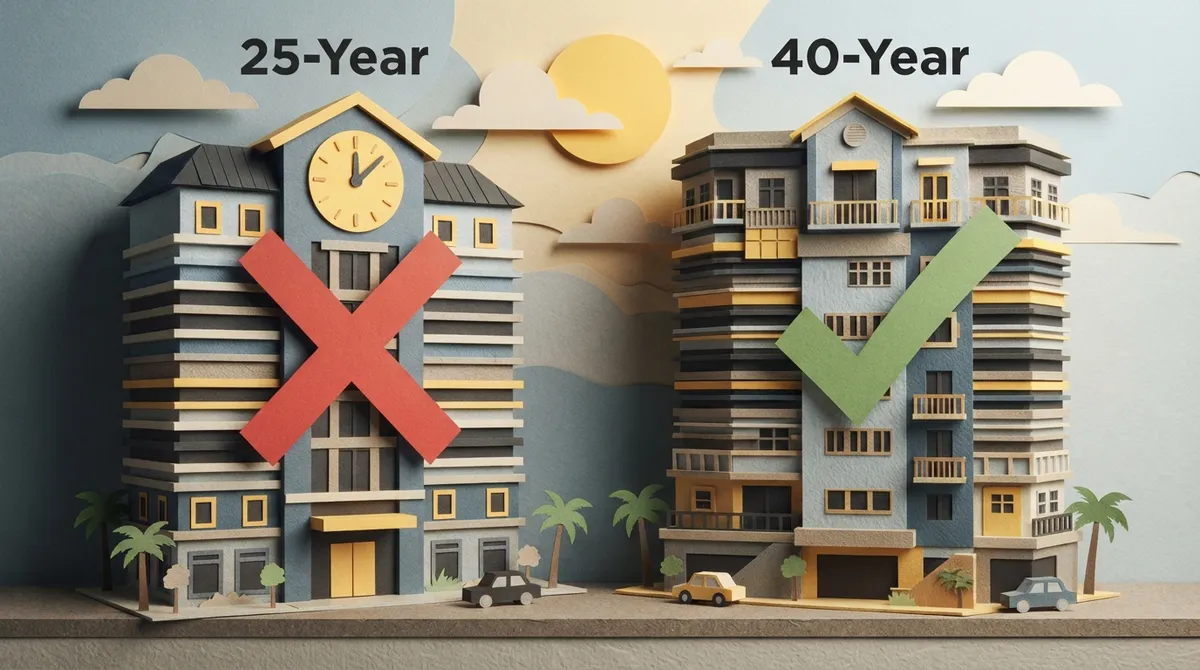
Here’s the big one that surprises a lot of property owners. Unlike the well-known 40-year recertification cycle used in parts of Miami-Dade and Broward County, Tamarac’s Building Safety Inspection Program kicks in much sooner. The city requires all buildings and structures to be inspected once they hit 25 years old, counted from the date the certificate of occupancy was issued.
This earlier timeline catches many owners off guard, especially those familiar with the broader 40 year recertification standard referenced across South Florida. If your Tamarac building was built in 2001 or earlier, it’s likely already due (or overdue) for its first inspection. Don’t wait for a notice to land in your mailbox. Get ahead of it now.
- Buildings reaching 25 years old must complete an initial safety inspection
- The clock starts from the certificate of occupancy date, not the construction start date
- This applies to both residential and commercial structures citywide
- Missing this milestone can lead to code violations and fines
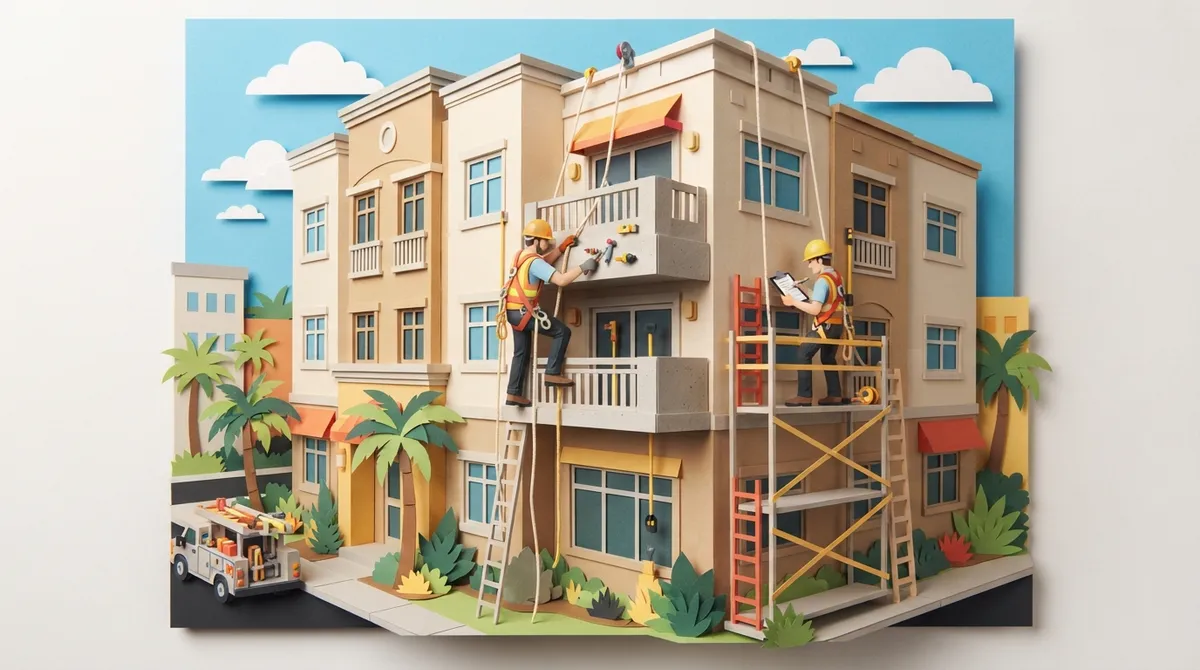
2. Follow-Up Inspections Happen Every 10 Years After That
Once your building passes its initial 25-year inspection, you’re not done forever. Tamarac requires subsequent inspections every 10 years from the year the building reached 25 years of age. This happens regardless of when your prior report was actually finalized or submitted.
That last part matters a lot. Some owners assume the 10-year clock resets based on when they completed paperwork. It doesn’t. The city measures from the original 25-year mark, so mark your calendar carefully. For a deeper look at how these longer-term cycles compare across the region, our article on the importance of 40 year building recertification for property longevity offers helpful context.
Why This Matters for Long-Term Planning
Think of this like scheduling routine maintenance for your car. You wouldn’t wait until something breaks. Planning ahead for your 10-year follow-up inspections helps you budget for repairs, avoid rushed timelines, and keep your building in great shape year after year.
3. Structural and Electrical Safety Are the Main Focus
So what actually happens during a Tamarac building recertification inspection? The scope typically covers two major areas: structural integrity and electrical safety. These are the same core categories commonly associated with recertification programs across South Florida.
A licensed engineer will examine your building’s foundation, load-bearing walls, roof structure, and any visible signs of deterioration. On the electrical side, inspectors check wiring, panels, and safety systems to make sure everything meets current code. Our team frequently sees issues like foundation cracks and hairline cracks in commercial buildings that require closer attention during these assessments.
| Inspection Area | What Gets Checked | Common Issues Found |
|---|---|---|
| Structural | Foundation, columns, beams, roof | Cracking, spalling, corrosion |
| Electrical | Panels, wiring, grounding, safety systems | Outdated wiring, code violations |
| Overall Safety | Fire systems, egress, general condition | Aging components, wear and tear |
If you want a full breakdown of what these assessments typically involve, check out our guide on what a commercial building inspection really covers.
4. SIRS Adds Another Layer for Tamarac Condos
If you manage a condo building in Tamarac that stands three stories or taller, there’s an additional requirement to know about. Florida’s Structural Integrity Reserve Study, or SIRS, applies on top of the standard recertification process. This creates extra engineering work and reserve-planning duties for condo boards.
SIRS was designed to make sure associations set aside enough money for major structural repairs, rather than getting caught off guard by huge special assessments. Many Tamarac condo boards had a Phase 1 SIRS completion deadline of December 31, 2025, according to recent Florida law updates. If your association hasn’t tackled this yet, it’s time to move quickly.
- Determine if your building meets the three-story threshold for SIRS
- Schedule a structural engineer to evaluate reserve components
- Review the findings with your condo board and financial team
- Update your reserve fund contributions based on the study results
- Keep documentation on file for future recertification cycles
For a detailed walkthrough tailored to local boards, our article on what Tamarac condo boards need to know about SIRS covers everything from timelines to budgeting tips.
5. Choosing the Right Team Makes All the Difference
Not every inspector or engineering firm understands the specific nuances of Tamarac’s Building Safety Inspection Program. Working with a team that knows the local requirements inside and out saves you headaches down the road.
This is where O’Reilly Consultants comes in. We’re a specialized engineering team serving Broward and Miami-Dade Counties, with deep expertise in building recertification and safety inspections. Our founder, Sherard O’Reilly, brings years of experience in property condition assessments and detailed building documentation, from facades to fire systems. We also have Catalina Torres, our Construction Manager & Engineer with 27 years of civil engineering experience, and Rafael Ojeda, our Project Engineer with over 1,000 environmental site assessments completed across South Florida.
We use advanced technology, including drones and 3D laser scanning, to give you thorough, accurate evaluations without unnecessary delays. If you’re wondering how to pick the right professional for your building, our guide on how to choose licensed building inspectors for recertification walks through the key questions to ask.
What Sets a Great Recertification Partner Apart
- Familiarity with Tamarac’s specific 25-year and 10-year cycles
- Use of modern tools like drones and 3D imaging for accurate reporting
- Clear, actionable reports that guide your repair timeline
- Support through the entire process, from notice to final submission
- Experience across multiple property types, including condos, apartments, and commercial buildings
Curious how the process actually flows from start to finish? We break it down step by step in our article on the 8 key steps in the building recertification process.
How Tamarac Compares to Nearby Counties
It helps to see how Tamarac’s approach stacks up against the broader regional standards. Many property owners get confused because Broward and Miami-Dade Counties often reference a 40-year and 10-year cycle, while Tamarac uses its own 25-year trigger.
| Jurisdiction | Initial Inspection Age | Repeat Interval |
|---|---|---|
| City of Tamarac | 25 years | Every 10 years |
| Broward County (general) | 40 years | Every 10 years |
| Miami-Dade County (general) | 40 years | Every 10 years |
This difference is exactly why local expertise matters so much. If you own properties across multiple cities, you can’t assume the same deadline applies everywhere. For broader context on the county-wide standard, the Miami-Dade County Recertification program page offers useful background information.
What Happens If You Miss Your Deadline
Skipping or delaying your recertification inspection isn’t just risky for safety reasons. It can also lead to real financial and legal consequences. Cities can issue fines, place liens on properties, or even pursue more serious enforcement actions for buildings that remain non-compliant.
Real estate investment firms and commercial property owners especially need to stay on top of this. A missed deadline can complicate refinancing, delay a sale, or spook potential buyers during due diligence. You can search past compliance records through the Search Miami-Dade Building Recertification Cases database to see how seriously these programs are enforced across the region.
Steps to Take If You’re Already Behind
- Contact the Tamarac Building Department right away to understand your status
- Hire a licensed structural and electrical inspector immediately
- Request an expedited assessment if your deadline has already passed
- Address any urgent repairs flagged in the inspection report
- Submit all required documentation promptly to avoid additional penalties
Why Tamarac’s Building Department Deserves Recognition
It’s worth noting that Tamarac’s Building Department earned IAS accreditation for building safety excellence in 2025, marking a third consecutive year of this recognition. This tells you the city takes its inspection programs seriously and maintains high standards for compliance and safety.
Working with an inspection team that matches this level of professionalism only makes sense. Our clients often tell us how much smoother the process feels when they have a knowledgeable partner guiding them through Tamarac’s ePermits system and compliance channels. If you’d like to see what our clients have experienced firsthand, feel free to visit our O’Reilly Consultants location on Google and read through their reviews.
Related Services That Support Your Recertification Journey
Building recertification rarely happens in isolation. Many property owners find they also need related services along the way, especially if their building has aging systems or falls under HOA or condo governance.
- Electrical safety inspections for older wiring and panel systems
- Property Condition Assessments (PCA) for comprehensive property evaluations
- HOA reserve studies to plan for long-term maintenance costs
- Structural Integrity Reserve Studies (SIRS) for qualifying condo buildings
- Environmental site assessments for commercial transactions
If you’re unsure whether you need a full building inspection or a property condition assessment, our resource on PCA vs. building inspection: which does Tamarac need clears up the confusion. And if your building is part of an HOA, our piece on Tamarac HOA reserve study facts boards need covers what your board should be planning for right now.
Let’s Get Your Building Compliant and Worry-Free
Tamarac building recertification doesn’t need to feel overwhelming. With the right information and the right team by your side, you can move through the process confidently and on time. Whether you’re facing your first 25-year inspection or your next 10-year follow-up, staying proactive protects your property, your residents, and your peace of mind.
At O’Reilly Consultants, we’ve built our reputation on thorough, accurate, and friendly service across Broward and Miami-Dade Counties. We combine advanced drone and 3D scanning technology with decades of engineering experience to make your recertification process as smooth as possible. Ready to get started? Request a free quote today, or call us at (512) 567-1191 to speak with our team directly. We’re here to help you every step of the way.
FAQs
Q: What is Tamarac building recertification?
A: It’s the City of Tamarac’s Building Safety Inspection Program, designed to check that older buildings still meet structural and electrical safety codes. Think of it as a wellness check for your property, catching problems before they become serious. It keeps residents safe and helps owners stay ahead of costly repairs.
Q: When is a building required to be recertified in Tamarac, Florida?
A: Tamarac requires buildings to be inspected once they reach 25 years old, counting from the certificate of occupancy date. This is earlier than the 40-year standard used in some other parts of Broward and Miami-Dade Counties, so don’t assume the timelines match!
Q: How often are Tamarac building recertification inspections required after the first one?
A: After the initial 25-year inspection, Tamarac requires follow-up inspections every 10 years. The clock keeps running from the original 25-year milestone, not from when your last report was finalized, so it pays to track your dates carefully.
Q: Does Tamarac require 25-year or 40-year recertification?
A: Tamarac specifically uses the 25-year trigger, which is different from the 40-year cycle referenced more broadly across Broward and Miami-Dade Counties. This is one of the most common points of confusion, so always confirm your city’s exact requirements.
Q: How does SIRS affect Tamarac condos and HOAs?
A: If your Tamarac condo building is three stories or taller, Florida’s Structural Integrity Reserve Study (SIRS) requirements apply in addition to standard recertification. This means extra engineering assessments and reserve fund planning to make sure your association is financially prepared for major repairs.