

Key Takeaways
-
Florida's milestone law generally applies to condo and co-op buildings three or more habitable stories tall, based on the certificate-of-occupancy date, so confirm your building's status with the local building department first.
-
Covered buildings generally need an initial milestone inspection by December 31 of the year they reach 30 years of age (25 if a local agency sets it, often for coastal buildings), then every 10 years.
-
Phase one is a visual exam by a Florida-licensed architect or engineer; phase two with destructive or nondestructive testing is required only if phase one finds substantial structural deterioration.
-
Under Florida law, the association must notify unit owners within 14 days of receiving the local agency's notice, and phase one must be completed within 180 days after owners receive that notice.
-
A milestone inspection checks structural safety, while a SIRS estimates remaining useful life and replacement cost for reserve funding; neither substitutes for the other, so boards may need both.
If you own or manage a condo, co-op, or apartment building in South Florida, you have probably heard the words “inspection” and “deadline” in the same sentence. It can feel like a lot. Take a breath. A residential building inspection does not have to be scary, and with a little planning, it can actually give you peace of mind.
In the Building Recertification world, a residential building inspection is a required check of a building’s structural condition. In some programs, it also covers the electrical systems. Florida’s milestone-inspection law and local programs, like Miami-Dade’s recertification program, each have their own ages, forms, and deadlines.
In this friendly guide, we walk through five facts every board member, property manager, and owner should know in 2026. We keep it simple, we keep it practical, and we point you to the right next steps. Grab a coffee and let’s dive in.
Fact 1: Not Every Residential Building Needs One
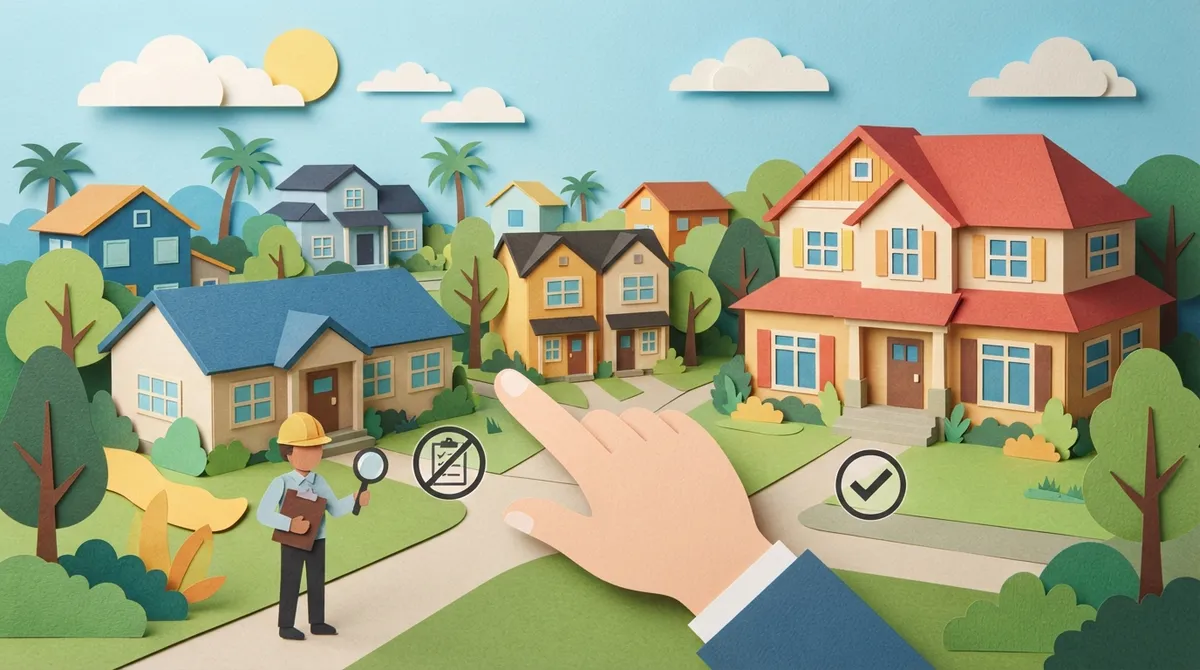
Here is the first surprise. A residential building inspection under Florida’s milestone law does not apply to every home. It generally covers condominium and cooperative buildings that are three or more habitable stories tall. The rule is based on the building’s certificate-of-occupancy date, not the age of one unit inside it.
Miami-Dade County’s recertification program works a bit differently. The county says single-family homes, duplexes, and certain small buildings are exempt. Still, rules can change by city, so always confirm with the local building department before you assume anything.
Who Usually Needs a Residential Building Inspection?
- Condo associations managing buildings of three or more habitable stories
- Cooperative buildings that meet the same height rule
- Apartment building owners in jurisdictions with local recertification programs
- HOA and property managers overseeing multi-family residential complexes
- Investment firms that own aging residential properties in South Florida
Not sure where your building falls? It is a great idea to read what building recertification is and why it matters before you make your plan.
Fact 2: Age Sets the Clock
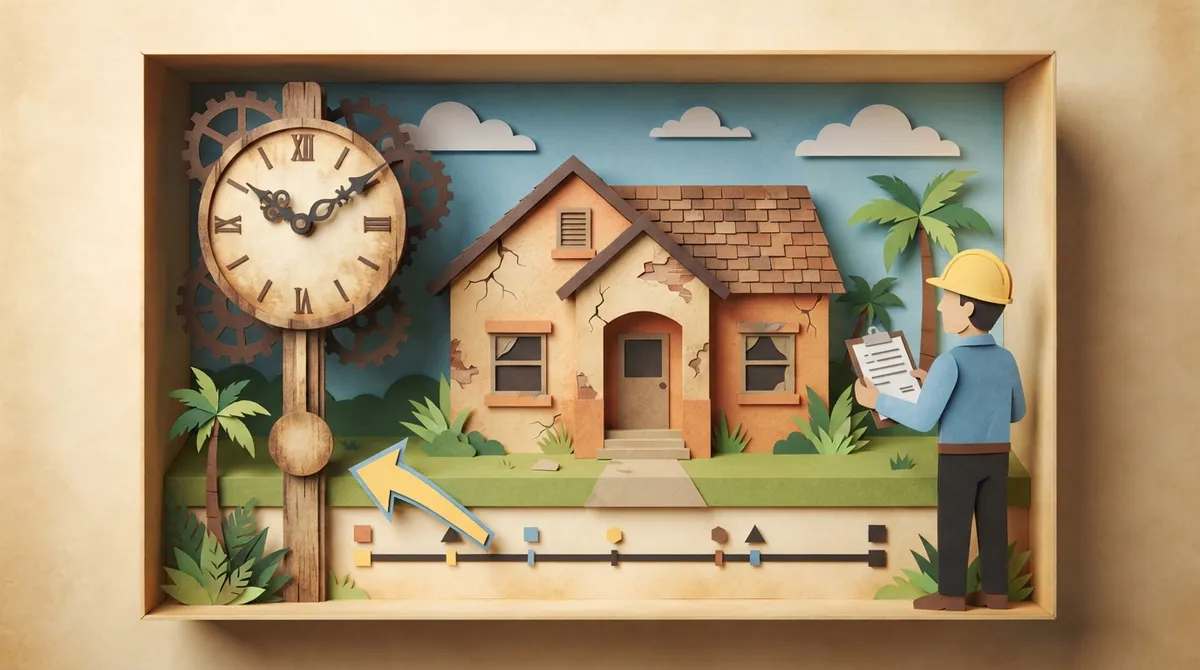
Age is the big trigger for a residential building inspection. Under Florida Statute §553.899 (2025), covered buildings generally need an initial milestone inspection by December 31 of the year they reach 30 years of age. After that, the building needs one every 10 years. A local enforcement agency can set the first inspection at 25 years based on local conditions, such as being close to salt water.
Miami-Dade follows a similar idea. Its recertification program generally applies at 30 years for inland buildings and 25 years for coastal buildings. Then it repeats every 10 years. Since so many South Florida buildings sit near the coast, the 25-year mark comes up often.
Here is a simple side-by-side look:
| Program | First Inspection | Repeat Cycle | Key Deadline |
|---|---|---|---|
| Florida milestone inspection (statewide) | 30 years (25 if local agency sets it) | Every 10 years | Phase 1 within 180 days of owner receiving notice |
| Miami-Dade recertification | 30 years inland, 25 years coastal | Every 10 years | Reports generally due within 90 days of notice |
Want to see how these age rules play out in real cities? Our guide on 30-year vs. 25-year Miami Beach condo recert rules breaks it down nicely.
Fact 3: The Inspection Happens in Two Possible Phases
Many owners worry that a residential building inspection means tearing into walls. Good news: it usually starts with a simple look. A milestone inspection has two possible phases.
- Phase one: A Florida-licensed architect or engineer does a visual exam of habitable and nonhabitable areas. This includes major structural components.
- Phase two: This is only required if phase one finds substantial structural deterioration. It may include destructive or nondestructive testing.
Think of phase one as a thorough checkup, and phase two as a closer look only if the doctor spots something. Most buildings never need to go further than phase one, but you should plan for both.
What Does the Inspector Look At?
- Foundations, load-bearing walls, and floors
- Roof structure and balconies
- Facades, stairs, and walkways
- Electrical systems, where the local program requires them
- Signs of cracking, corrosion, or water damage
At O’Reilly Consultants, we use drones and 3D laser scanning to see hard-to-reach areas safely and quickly. This helps us capture clear images and measurements without long, costly scaffolding setups. Curious about the details? Take a peek at structural inspection for building recertification in 2026.
Fact 4: The Timeline Moves Fast, So Know Your Deadlines
Deadlines are where many boards feel the squeeze. Here is how the timeline usually works under Florida law. The local enforcement agency sends written notice to the association. The association must then tell unit owners within 14 days. Phase one must be finished within 180 days after the owner receives the notice.
In Miami-Dade, reports are generally due within 90 days of the county’s notice. That is not a lot of time, especially if you still need to hire a licensed professional and gather records.
Here is a friendly step-by-step to stay on track:
- Read the notice carefully and mark every deadline on your calendar.
- Tell owners within 14 days if you are a condo or co-op association.
- Hire a licensed Florida architect or engineer right away.
- Gather your records, including past reports, plans, and repair history.
- Schedule the inspection and give the team access to all areas.
- Review the sealed report and plan any needed repairs.
- Submit your documentation to the local building official on time.
Missing a deadline can lead to fines and added stress, so do not wait. If you want a closer look at how the 90-day window works, check out our 8 key steps in the building recertification process. You can also read our overview of Broward recertification inspections for county-specific tips.
Fact 5: The Report Matters, and So Does What Comes After
Once the inspection is done, the inspecting professional submits a sealed report. They also send a separate summary of material findings and recommendations. These go to the association, applicable owners, and the local building official.
Here is a helpful truth: an inspection is not a guarantee that a building is defect-free. It is a snapshot of the building’s condition and a roadmap for repairs. If the report finds substantial structural deterioration, phase two kicks in, and repairs will likely follow.
Milestone Inspection vs. SIRS: Clearing Up the Confusion
Many boards mix up a milestone inspection and a Structural Integrity Reserve Study (SIRS). They are different tools with different jobs. A SIRS looks at the remaining useful life and replacement cost of specific common elements. It helps you plan reserve funding. It does not replace a structural inspection.
| Feature | Milestone / Recertification Inspection | Structural Integrity Reserve Study (SIRS) |
|---|---|---|
| Main purpose | Check structural condition and safety | Plan reserve funding for common elements |
| Who performs it | Florida-licensed architect or engineer | Qualified professional per statute requirements |
| Output | Sealed report and summary of findings | Remaining life and replacement cost estimates |
| Substitute for the other? | No | No |
If you want to dig deeper, our friendly comparison of SIRS vs. milestone inspection can help your board decide what you need.
How to Choose the Right Inspection Partner
Picking the right team makes the whole process smoother. Only an appropriately licensed Florida design professional can perform these inspections, so always verify credentials. Beyond that, look for a team with local experience and clear communication.
Here is what to look for:
- A licensed architect or engineer with South Florida building experience
- Modern tools, like drones and 3D scanning, for safer and faster inspections
- Clear, actionable reports your board can actually use
- Help with the paperwork and county submissions
- Related services, such as electrical safety inspections, SIRS, PCA, and HOA reserve studies
O’Reilly Consultants is a small, highly specialized engineering team serving Broward and Miami-Dade Counties. We are led by owner and qualifying architect Sherard O’Reilly, with deep experience in property condition assessments and detailed building documentation. Our team also includes Construction Manager and Engineer Catalina Torres, with 27 years of civil engineering and construction management experience, and Project Engineer Rafael Ojeda, with 16+ years in environmental due diligence. We guide you from the first county notice all the way to final submission, so you never feel lost along the way.
Need help picking a pro? Our guide on how to choose a certified building inspector in Florida is a handy place to start. You can also see what neighbors are saying about our work and visit us on Google — O’Reilly Consultants to read reviews.
Check Your Local Rules Before You Start
Because local rules can differ, always check with your city or county first. Miami-Dade County offers helpful details on its Miami-Dade County Recertification page. You can also use the Search Miami-Dade Building Recertification Cases tool to look up your building’s status.
If your property is in Broward County, rules and forms may differ again. Local building departments can confirm your exact age trigger, form, and deadline. For a helpful comparison of how milestone and recertification rules can vary, read milestone vs. recertification rules in North Lauderdale.
Tips to Make Your Inspection Go Smoothly
A little prep goes a long way. Here are some easy wins that boards, managers, and owners can use right away:
- Start early. Do not wait for the notice if you already know your building’s age.
- Collect your records. Past inspection reports, repair invoices, and plans save time.
- Fix small issues first. Minor leaks and cracks are easier to handle before they grow.
- Communicate with owners. A quick update keeps everyone calm and informed.
- Budget for repairs. Reports often recommend work, so plan ahead.
Staying proactive can also protect your building’s market value and help with insurance and refinancing. That is great news for investment firms and apartment owners alike. For more ideas on avoiding common slip-ups, you might enjoy 7 property inspection mistakes that cost owners in 2026.
Final Thoughts: You’ve Got This
A residential building inspection is really about keeping people safe and protecting your investment. Once you understand who needs one, when it is due, what happens during phase one and phase two, and how the report works, the process feels a lot less mysterious.
The key is to act early, verify your local rules, and work with a licensed team that makes things simple. At O’Reilly Consultants, we handle 10-, 25-, and 40-year building recertification inspections across Broward and Miami-Dade Counties, and we are proud to walk beside you every step of the way.
Ready to get started? Request a free quote today, or call us at (512) 567-1191 to talk with our friendly team. We would love to help you meet your deadline with confidence.
FAQs
Q: What is a residential building recertification inspection?
A: It is a required check of a residential building’s structural condition and, in some local programs, its electrical systems. A licensed Florida architect or engineer performs it and submits a sealed report. Think of it as a safety checkup that helps keep residents safe and buildings compliant.
Q: At what age does a condominium building need its first milestone inspection?
A: Under Florida law, covered buildings generally need their first milestone inspection by December 31 of the year they reach 30 years of age, then every 10 years after. A local agency may set the first inspection at 25 years, especially near salt water. Miami-Dade follows a similar 30-inland or 25-coastal schedule.
Q: What happens if an inspection finds substantial structural deterioration?
A: If phase one finds substantial structural deterioration, a phase two inspection is required. This may include destructive or nondestructive testing to understand the problem more closely. Repairs are then typically recommended, so planning ahead and budgeting early really helps.
Q: Are single-family homes or duplexes exempt from building recertification?
A: Miami-Dade County says single-family homes, duplexes, and certain small buildings are exempt from its recertification program. Rules can vary by city and county, so it is smart to confirm with your local building department. A quick call can save you a lot of guesswork.
Q: What is the difference between a milestone inspection and a SIRS?
A: A milestone inspection checks a building’s structural condition for safety. A SIRS looks at the remaining useful life and replacement cost of certain common elements so you can plan reserve funding. They work together, but one does not replace the other.