
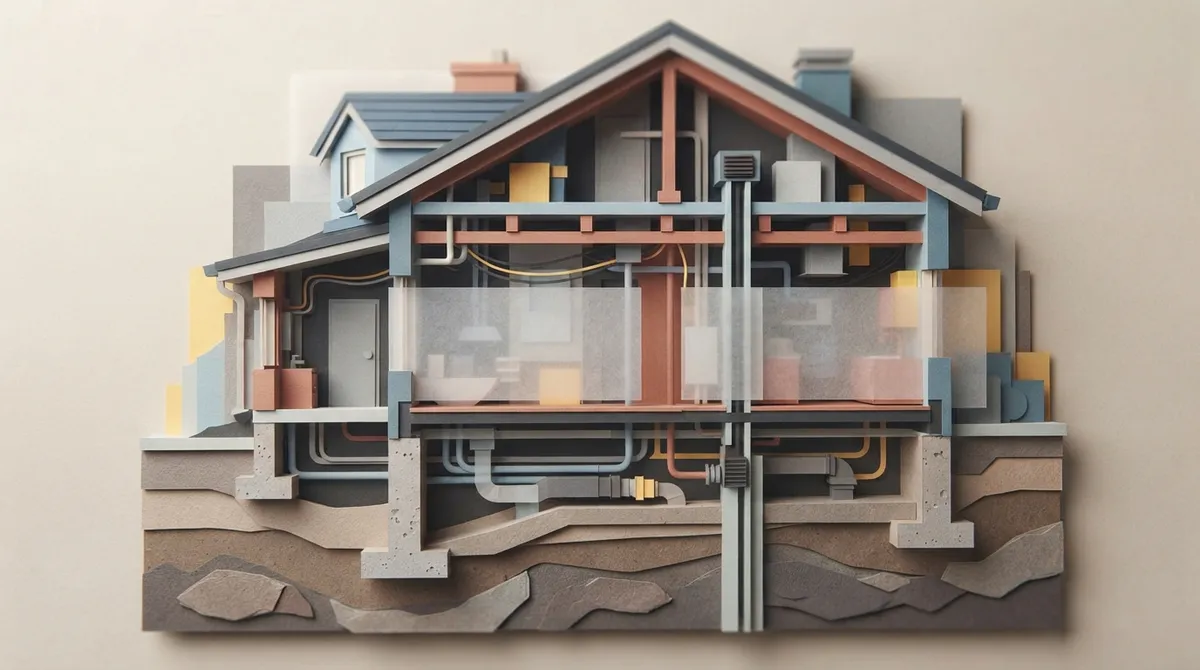
Key Takeaways
-
Fort Lauderdale buildings face two separate 2026 requirements—a structural integrity reserve study (SIRS) and a local safety inspection—that serve different purposes and cannot replace each other, risking missed deadlines and surprise costs if confused.
-
The initial SIRS deadline for most associations was December 31, 2025, with a final coordinated deadline of December 31, 2026; boards must notify owners within 45 days of receiving the study.
-
Florida law restricts boards from waiving or reducing reserves for SIRS-covered components; funding plans must be incorporated into annual budgets and cannot be ignored without legal consequences.
-
A qualifying recent recertification or milestone inspection can serve as the visual portion of a SIRS, but the study still requires separate useful-life estimates, cost projections, and reserve-funding analysis to be complete.
-
The SIRS must evaluate roof, structural members, foundation, fire protection, plumbing, electrical systems, waterproofing, windows, and any other component with replacement costs above $25,000 that could impact covered systems.
-
A Florida-licensed engineer, architect, or qualified reserve specialist must perform or verify the study; boards should avoid common mistakes like waiting until the last minute, ignoring funding plans, and missing the owner-notification deadline.
If you serve on a condo board in Fort Lauderdale, you have probably heard the letters “SIRS” more times than you can count. Maybe you have also heard about recertification and wondered if they are the same thing. Good news: you are not alone, and the answer is easier than it sounds. A Fort Lauderdale structural integrity reserve study is a planning tool that looks at your building’s most important parts and maps out how to pay for them over time.
Here is the catch. Many Fort Lauderdale buildings face two separate requirements in 2026: the reserve study and the local safety inspection. They work together, but one does not replace the other. Mixing them up can lead to missed deadlines, surprise costs, and stressed-out owners.
In this guide, we will walk through what the study covers, who needs one, how it differs from building recertification, and how to keep the whole process running smoothly. Think of it as a friendly chat with someone who has helped plenty of boards through it.

What Is a Structural Integrity Reserve Study?
A structural integrity reserve study, or SIRS, is a Florida condominium planning requirement. It looks at key building components, estimates how long each one will last, and predicts what it will cost to replace or repair them. Then it lays out a funding plan so the association can save money in advance.
Under Florida Statute §718.112, residential condominium buildings that are three or more habitable stories generally need a SIRS at least once every 10 years. The study is built on a visual inspection, and it must be performed or verified by a Florida-licensed engineer or architect, or a qualifying reserve specialist or professional reserve analyst.
In plain words, a SIRS answers three big questions:
- What condition are the major building systems in today?
- How many years of useful life does each one have left?
- How much money should the association set aside each year to be ready?
If you want a quick primer tailored to the city, our guide on 7 key facts about Fort Lauderdale SIRS you must know is a helpful companion read.
Which Building Components Does a SIRS Cover?
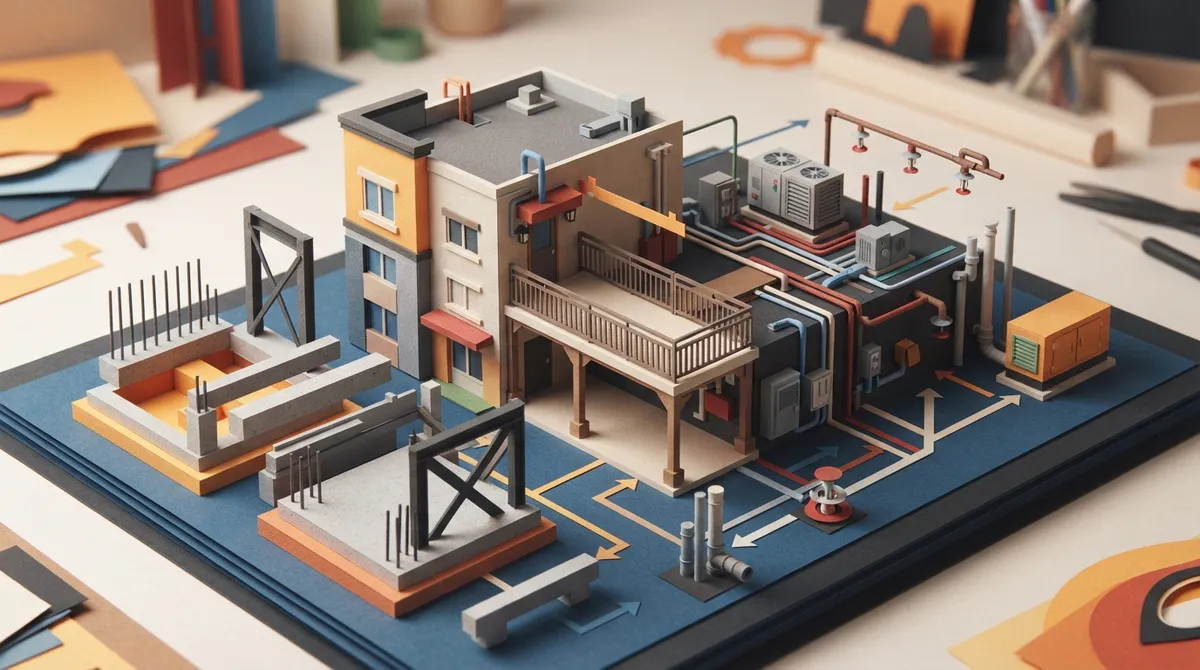
The law lists specific items that every study must evaluate. These are the parts of a building that keep it standing and keep residents safe. Here is what a Fort Lauderdale structural integrity reserve study looks at:
- Roof
- Load-bearing walls and other primary structural members and systems
- Floor, foundation, and related structural elements
- Fireproofing and fire protection systems
- Plumbing
- Electrical systems
- Waterproofing and exterior painting
- Windows and exterior doors
- Any other item with a deferred-maintenance expense or replacement cost above $25,000 (or the inflation-adjusted amount) when failing to maintain it would hurt one of the components above
That last item surprises many boards. Something like a large pump or drainage system might not sound structural, but if its failure could damage a covered component, it may belong in the study.
SIRS vs. Building Recertification: What Is the Difference?
This is the question we hear most from Fort Lauderdale boards and property managers. The short answer is that the two serve different purposes. Recertification asks, “Is this building safe right now?” The SIRS asks, “Are we saving enough to keep it safe for years to come?”
| Feature | Structural Integrity Reserve Study (SIRS) | Building Recertification (Broward Program) |
|---|---|---|
| Main purpose | Reserve planning and funding | Safety inspection of structure and electrical systems |
| Who it applies to | Condo associations with buildings of three or more habitable stories | Buildings reaching the program age requirement |
| Frequency | At least every 10 years | At 25 years of age, then every 10 years |
| What you get | Remaining useful life, replacement costs, and a funding schedule | Structural and electrical safety report from a licensed professional |
| Follow-up | Budget and reserve funding decisions | Repairs, if the inspection finds problems |
Fort Lauderdale administers Broward County’s Building Safety Inspection Program. The city’s program describes inspections at 25 years of building age and every 10 years after that. Owners generally have 180 days after receiving the city’s notice to submit the safety report, and the Building Official may set repair timelines. For a deeper look, see our article on Fort Lauderdale vs. Broward recertification.
Can One Inspection Help With Both?
Sometimes, yes. A qualifying recent milestone inspection or similar local inspection may be used for the visual-inspection portion of a SIRS, as long as it meets the statutory requirements. That can save time and money.
But here is the important part. Using an inspection for the visual portion does not automatically replace the rest of the SIRS. You still need the remaining-useful-life estimates, the cost estimates, and the reserve-funding analysis.
Smart boards coordinate the two so the same field work supports both reports. When one team understands both, you avoid duplicate visits and conflicting findings. Our overview of what building recertification is and why it matters explains the safety side in more detail.
What Are the Deadlines for a SIRS in 2026?
Deadlines are where many associations feel the pressure, so let us keep this simple.
- Initial deadline: For associations existing on or before July 1, 2022, the statutory initial SIRS deadline was December 31, 2025.
- Milestone coordination: An association required to complete a milestone inspection by December 31, 2026, may complete the SIRS at the same time. However, the study cannot be completed later than December 31, 2026.
- Ongoing cycle: After the first study, a new SIRS is needed at least every 10 years.
- Owner notice: Within 45 days after receiving the study, the association must give owners a copy or tell them how to inspect and copy it.
We are now in the last quarter of 2026, which means time is tight for any association still working on its first study. Rules and deadlines can be amended, so it is smart to confirm current applicability with your association’s attorney or the relevant state agency.
Why Reserve Funding Matters So Much
A study is only useful if the money follows it. Florida law generally requires reserves for SIRS-covered items to be based on the most recent study. It also restricts waiving or reducing those reserves. In other words, boards cannot simply vote to skip funding the roof or the structural system.
The association also stays responsible for funding items it is obligated to maintain under its governing documents. That is why the funding schedule in your report deserves a serious conversation at the board table.
Why does this matter to owners? Well-funded reserves can help:
- Reduce the chance of large special assessments
- Keep major repairs on schedule
- Support smoother insurance and lending conversations
- Protect property values for the long term
For a wider view of planning tools, our post on how to use Fort Lauderdale HOA reserve studies effectively shows how reserve planning fits into the bigger picture.
Who Is Qualified to Perform a SIRS?
Not just anyone can sign off on this work. The study, including its visual-inspection portion, must be performed or verified by one of these professionals:
- A Florida-licensed engineer
- A Florida-licensed architect
- A qualifying reserve specialist or professional reserve analyst
This is one reason experience counts. A poorly done study can lead to bad numbers, and bad numbers lead to bad budgets. If you are comparing providers, our guide on how to choose licensed building inspectors offers useful tips that apply here too.
How to Prepare Your Building for a SIRS: A Simple Roadmap
Feeling a little overwhelmed? Take a breath. Here is a friendly step-by-step path most boards can follow.
- Confirm applicability. Check your building’s height, age, and governing documents. Ask your attorney if anything is unclear.
- Gather your records. Pull together plans, past inspection reports, repair invoices, permits, and warranty papers.
- Check recertification status. Find out whether a recent inspection can support the visual portion of the study.
- Hire a qualified professional. Choose a licensed team that knows both recertification and reserve planning.
- Schedule site access. Make sure the team can reach roofs, electrical rooms, garages, and mechanical spaces.
- Review the draft. Ask questions about useful-life estimates and cost assumptions before it is final.
- Share the results. Give owners the report or notify them within the 45-day window.
- Update your budget. Build the funding plan into your annual budget and repair schedule.
Common Mistakes Fort Lauderdale Boards Should Avoid
After years of helping South Florida buildings, we see the same trip-ups again and again. Here are the big ones:
- Treating SIRS and recertification as the same thing. They overlap, but each has its own rules.
- Waiting until the last minute. Deadlines create rush fees and limited scheduling.
- Skipping records. Missing documents slow everything down.
- Ignoring the funding plan. A great report sitting in a drawer helps no one.
- Forgetting owner notice. The 45-day requirement is easy to overlook.
You can also read our advice on professional building inspection mistakes to avoid for more ways to stay out of trouble.
What If Inspections Find Repairs?
It happens, and it is not a reason to panic. If a Fort Lauderdale recertification inspection identifies structural or electrical repairs, the Building Official may set the timeline for fixing them. Acting quickly protects residents and keeps you in good standing.
Here is where the SIRS becomes a real helper. A current study shows which systems are aging, what repairs are likely coming, and how much money is in the plan. That means fewer surprises when a report lands on your desk.
Our team also covers related electrical requirements in 9 things to know about Fort Lauderdale electrical safety inspections, which pairs nicely with any structural review.
How Technology Makes the Process Easier
Modern tools can take a lot of the stress out of building assessments. Drones can safely capture roofs and tall facades without scaffolding. 3D laser scanning can document conditions with impressive detail. The result is faster fieldwork, clearer photos, and reports that are easier to act on.
For property managers juggling a 90-day inspection window, that speed can be a real lifesaver. For apartment owners and investment firms, better documentation also helps with insurance conversations, refinancing, and sales.
Why Boards Choose O’Reilly Consultants
Every board wants a partner who explains things clearly and finishes on time. O’Reilly Consultants is a small, specialized engineering team serving Broward and Miami-Dade Counties, with a strong focus on building recertification and safety-focused inspections. The team is led by owner and qualifying architect Sherard O’Reilly, supported by Construction Manager and Engineer Catalina Torres, who brings 27 years of civil engineering and construction management experience.
Because O’Reilly Consultants handles 10-, 25-, and 40-year recertification inspections along with SIRS, property condition assessments, electrical and illumination safety inspections, and HOA reserve studies, your building gets one coordinated approach instead of a patchwork. They guide you from the county notice, to hiring a licensed professional, to submitting documentation and completing repairs within mandated timelines. Curious what others say? You can see what O’Reilly Consultants customers say on Google.
To learn how counties handle these rules elsewhere in South Florida, you can also browse the official Miami-Dade County recertification page and the Miami-Dade building recertification case search. For the statute itself, the Florida Statutes, Section 718.112, is the primary source.
Who Benefits Most From a SIRS?
Different readers care about different things, so here is how the study helps each group:
- Condo association boards: A clear funding roadmap and compliance with state law.
- HOA property managers: Organized timelines and fewer last-minute scrambles.
- Apartment building owners: Better long-term repair planning and safety confidence.
- Commercial property owners: Stronger records for lenders, insurers, and buyers.
- Real estate investment firms: Reliable data for pricing, refinancing, and sales.
Ready to Take the Next Step?
A Fort Lauderdale structural integrity reserve study does not have to feel like a mountain. With the right team, it becomes a helpful roadmap for keeping your building safe, funded, and compliant. Start early, keep good records, and coordinate your SIRS with your recertification work.
Ready to get moving? Request a free quote from O’Reilly Consultants, or call us at (512) 567-1191. We would love to help your board finish this process with confidence.
FAQs
Q: Does my Fort Lauderdale condominium need a structural integrity reserve study?
A: Most likely, if your residential condominium building has three or more habitable stories. Florida law generally requires a SIRS at least every 10 years for these buildings. It is a good idea to confirm your exact situation with your association’s attorney.
Q: What is the difference between a SIRS and building recertification in Fort Lauderdale?
A: A SIRS is a reserve-planning study that estimates the life and cost of key building components and sets a funding plan. Recertification is a local safety inspection that checks structural and electrical conditions and may require repairs. Many buildings need both, and they can be coordinated.
Q: Can a recertification or milestone inspection count toward the SIRS?
A: Sometimes it can. A qualifying recent inspection may serve as the visual-inspection portion if it meets statutory requirements. You will still need the useful-life estimates, cost estimates, and reserve-funding analysis to finish the SIRS.
Q: Can a condominium association waive reserves for SIRS components?
A: Generally, no. Florida law restricts waiving or reducing reserves for SIRS-covered items, and funding should be based on the most recent study. Boards should plan their budgets around the study’s funding schedule.
Q: Who can perform a structural integrity reserve study in Florida?
A: The study must be performed or verified by a Florida-licensed engineer or architect, or a qualifying reserve specialist or professional reserve analyst. Choosing an experienced team helps ensure the numbers you rely on are solid.