Key Takeaways
-
Buildings in West Park aged 40+ years must undergo recertification to confirm structural and electrical safety; submit signed reports from Florida-licensed engineers or architects through Broward County ePermits portal.
-
HOAs and condo boards face tight 90-day inspection windows after notice arrives; hire licensed professionals early and use drone/3D laser scanning technology to speed up assessments without sacrificing accuracy.
-
West Park Building Department (954-989-2688, ext. 210/202) requires next-day inspection requests by 3:00 pm; submit electronically through ePermits portal to track status and avoid delays.
-
Common delays occur from procrastinating on hiring inspectors, submitting incomplete paperwork, and confusing recertification with reserve studies; avoid these pitfalls to save weeks of unnecessary frustration.
-
South Florida’s salt air, humidity, and storms accelerate building deterioration; recertification catches structural and electrical problems early before they become dangerous or expensive.
-
Modern technology like drones and 3D laser scanning now catches hidden damage, creates detailed structural models, and speeds up digital reporting without disrupting tenant operations.
If you own or manage a building in West Park, you’ve probably heard the term “recertification” tossed around at HOA meetings or in letters from the city. Maybe it feels confusing, or even a little stressful. Take a breath! You’re in good company, and this process is much simpler once you know the steps. West Park building recertification is simply the city’s way of making sure older buildings stay safe for the people living and working inside them. Whether you’re on a condo board, managing an HOA, or you own a commercial property, this guide will walk you through everything you need to know in friendly, plain language.
We’ll cover who needs recertification, what inspections are required, how to submit your paperwork, and how to avoid common headaches along the way. And because we know your time is valuable, we’ve kept things organized with clear lists and tables so you can find exactly what you need. Let’s get started!

1. What West Park Building Recertification Actually Means
West Park building recertification is a local safety check-up for older buildings. Think of it like a wellness exam, but for concrete, steel, and wiring instead of a body. The goal is simple: confirm that a building is still structurally sound and electrically safe for continued use.
This process typically applies to buildings that have reached a certain age, most often 40 years old or more. The city works closely with the Building Department to review submittals, schedule inspections, and follow up on any documentation needed. If you want a deeper dive into how this fits into the bigger regional picture, our article on 40-Year Building Recertification: What Florida Owners Must Know covers the statewide requirements nicely.
Why This Matters for South Florida Buildings
South Florida’s climate is tough on buildings. Salt air, humidity, and heavy storms all take a toll over the decades. Recertification programs exist because aging structures need regular check-ins to catch problems before they become dangerous or expensive.
Miami-Dade County’s recertification cycle, for example, begins at 30 years and repeats every 10 years after that for qualifying structures. This is important regional context, since many South Florida cities model their own rules on similar age-based frameworks. You can read more directly from Miami-Dade County Recertification guidelines for additional background.
2. Which Buildings in West Park Need Recertification
Not every building in West Park needs to go through this process right away. Generally, recertification applies to:
- Buildings that are 40 years old or older
- Commercial buildings over three stories or 50 feet tall
- Condominiums and multi-family residential structures reaching qualifying age thresholds
- Buildings flagged by the city for structural or electrical review
- Properties nearing renewal cycles under county-level mandates
If you’re a commercial property owner unsure whether your building qualifies, our piece on What Does a Commercial Building Inspection Really Cover? can help clarify what inspectors look for and why age thresholds matter so much.
Condo Boards and HOA Considerations
If you sit on a condo board, you already know how quickly deadlines sneak up. Many HOAs face 90-day inspection windows once notice arrives, which can feel tight if you haven’t started planning. HOA property managers especially benefit from advanced tools like drones and 3D laser scanning, which speed up assessments without sacrificing accuracy.
3. Key Inspections Required for West Park Recertification
Recertification packages usually include a few core components. Here’s what property owners can expect:
- A building safety inspection covering the overall condition of the structure
- A structural inspection focused on the building’s frame, foundation, and load-bearing elements
- An electrical inspection reviewing wiring, panels, and safety systems
- Supporting affidavits or documentation, depending on the building’s history
- A final signed and sealed report from a qualified professional
Where required, these reports must be signed and sealed by a Florida-licensed Professional Engineer or Registered Architect. This isn’t just a formality. It’s a legal requirement meant to protect everyone who uses the building. Our article on Certified vs. General Inspectors: Who Should Recertify Your Building? explains why hiring the right professional matters so much.
Electrical Safety Checks Deserve Extra Attention
Electrical systems age differently than concrete or steel. Wiring insulation breaks down, panels become outdated, and safety codes change over time. That’s why electrical inspections are treated as their own category within the recertification process. If you want a West Park-specific breakdown, check out How to Pass West Park Electrical Safety Inspections With Ease for practical tips.
4. How to Submit Recertification Documents in West Park
Here’s where a lot of property owners get stuck. The paperwork side of recertification can feel overwhelming if you’re doing it for the first time. Let’s break it down into manageable steps.
| Step | Action | Details |
|---|---|---|
| 1 | Receive notice | City or county sends notification that your building qualifies for recertification |
| 2 | Hire licensed professional | Engage a Florida-licensed engineer or architect to complete inspections |
| 3 | Complete inspections | Structural and electrical inspections are performed and documented |
| 4 | Prepare report | Inspector prepares a signed and sealed report with findings |
| 5 | Submit to city | Documentation is submitted through the Broward County ePermits portal or directly to West Park’s Building Department |
| 6 | Address repairs | Any flagged issues must be corrected within mandated timelines |
| 7 | Receive certification | City issues final approval once all requirements are met |
West Park recertification guidance points property owners to the Broward County ePermits portal for electronic submission when applicable. This online system makes it easier to track your submission status without endless phone calls.
Contacting the West Park Building Department
The West Park Building Department is your primary local contact for permit questions, inspection scheduling, and recertification submissions. Their office is located at 1965 S State Road 7, West Park, FL 33023, and they’re open Monday through Friday, 8:00 am to 3:30 pm.
- Phone: 954-989-2688, Option 9, Ext. 210 or 202
- Inspection scheduling handled by email
- Next-day inspection requests must be submitted by 3:00 pm
- Building Department serves as your go-to for permit and recertification questions
Missing the 3:00 pm cutoff simply means your inspection gets pushed to the following business day, so plan accordingly if you’re on a tight schedule.
5. Common Mistakes That Slow Down the Process
Nobody wants delays, especially when deadlines are already tight. Here are mistakes we see property owners make time and time again:
- Waiting until the last minute to hire a licensed inspector
- Submitting incomplete paperwork or missing affidavits
- Not understanding the difference between structural and electrical requirements
- Assuming a standard reserve study covers recertification needs
- Overlooking repair deadlines after receiving inspection results
Avoiding these pitfalls can save you weeks, sometimes months, of frustration. Our guide on 7 Professional Building Inspection Mistakes You Must Avoid dives deeper into how to sidestep these common traps.
Recertification vs. Reserve Studies: Don’t Confuse the Two
This is a big point of confusion for condo boards. Recertification confirms your building is currently safe. A Structural Integrity Reserve Study, or SIRS, looks at long-term funding needs for future repairs. They’re related, but they’re not the same thing. Our article SIRS vs. Standard Reserve Studies: What West Park Needs explains exactly how these two processes work together.
6. Why Technology Makes the Process Faster and More Accurate
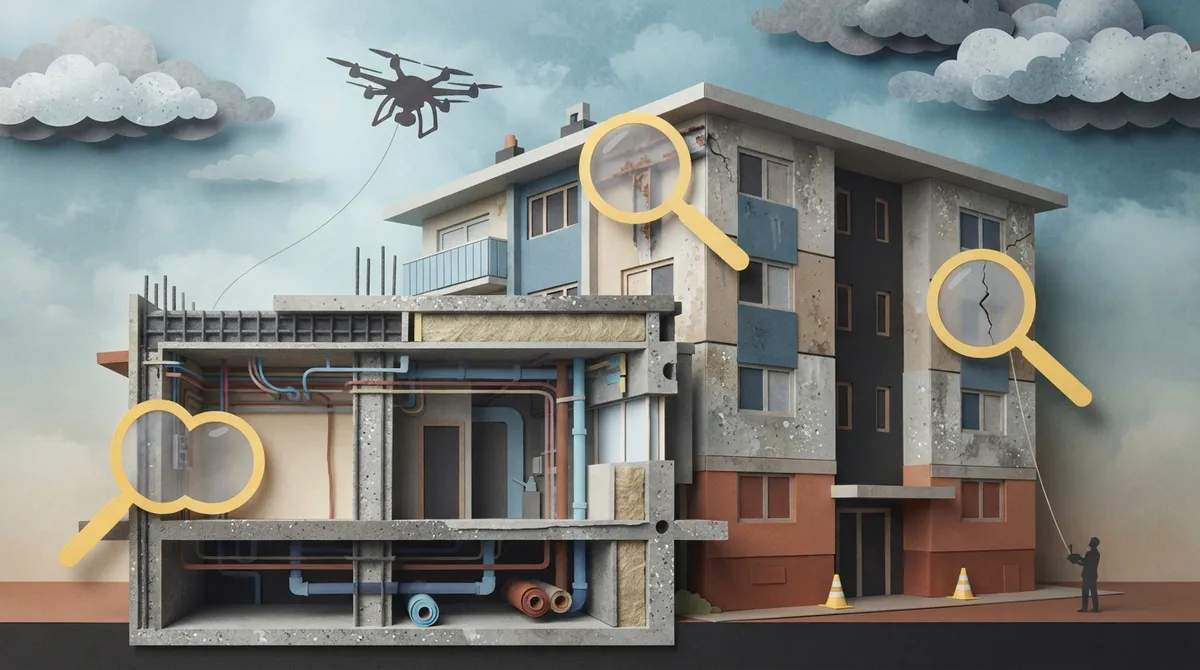
Gone are the days of relying solely on ladders and clipboards. Modern building assessments now use tools that make inspections faster, safer, and more precise.
- Drones capture high-resolution images of roofs and facades without scaffolding
- 3D laser scanning creates detailed models of structural elements
- Digital reporting speeds up documentation and submission timelines
- Advanced imaging catches hairline cracks and hidden damage early
- Remote data collection reduces disruption to tenants and residents
If you’re curious about how foundation issues get caught early with these tools, take a look at Understanding Foundation Cracks and Hairline Cracks in Commercial Buildings. It’s a great read for commercial property owners especially.
7. Choosing the Right Recertification Partner in West Park
This is the part where we get to brag a little, because we genuinely believe it matters. O’Reilly Consultants has built a reputation across Broward and Miami-Dade Counties for handling recertification with care, precision, and a whole lot of patience for your questions.
Led by owner and qualifying architect Sherard O’Reilly, the team brings serious credentials to the table. Sherard has deep experience in ASTM E2018 property condition assessments and meticulous documentation covering everything from facades to fire systems. Construction Manager and Engineer Catalina Torres adds 27 years of civil engineering experience, while Project Engineer Rafael Ojeda brings over 16 years in environmental due diligence, having completed more than 1,000 Phase I Environmental Site Assessments across South Florida.
Here’s what sets a great recertification partner apart:
- Licensed professionals who understand local West Park requirements
- Fast turnaround times using drone and 3D scanning technology
- Clear, actionable reports instead of confusing technical jargon
- Guidance through every step, from notice to final approval
- Experience across condos, apartments, commercial towers, and HOAs
Whether you manage a high-rise, an apartment complex, or a shopping plaza, working with a specialized team means fewer surprises and a smoother path to compliance. You can learn more about our team’s background on our About Oreilly Consultants page, and don’t just take our word for it, see what our O’Reilly Consultants customers say on Google by visiting our O’Reilly Consultants location on Google.
Related Services Worth Knowing About
Recertification rarely happens in isolation. Many buildings also need property condition assessments, environmental due diligence, or HOA reserve studies at the same time. Bundling these services often saves time and money. Our guide on 8 Key Steps in the Building Recertification Process (2026) lays out how these pieces fit together for a full compliance picture.
For those researching similar programs nearby, it can help to compare requirements across counties. The Search Miami-Dade Building Recertification Cases tool is a useful resource for seeing how neighboring jurisdictions handle their own recertification cases.
Making Recertification Feel Less Overwhelming
We know this process can feel like a lot, especially if you’re juggling board meetings, tenant concerns, and budget planning all at once. But here’s the good news: recertification doesn’t have to be stressful when you have the right team guiding you.
Think of it this way. A little effort now protects your residents, your investment, and your peace of mind for years to come. West Park’s Building Department is there to help, and so are we.
Ready to get started? Request a free quote today and let our team guide you through every step of your West Park building recertification. Or if you’d rather talk it through first, call us at (512) 567-1191 and we’ll answer your questions with a smile.
FAQs
Q: What is West Park building recertification?
A: It’s the local process that confirms older buildings in West Park are still safe to occupy. It usually involves structural and electrical inspections completed by a licensed engineer or architect, submitted to the city’s Building Department.
Q: Which buildings in West Park need recertification?
A: Generally, buildings 40 years or older, along with certain commercial structures over three stories or 50 feet tall, fall under recertification rules. If you’re unsure whether your building qualifies, reaching out to the Building Department is a great first step.
Q: How do I submit recertification documents in West Park?
A: Most submissions go through the Broward County ePermits portal for electronic filing, though you can also coordinate directly with West Park’s Building Department. Having a licensed professional prepare your report ahead of time makes this step much smoother.
Q: Who can sign a building recertification report in Florida?
A: Only a Florida-licensed Professional Engineer or Registered Architect can sign and seal these reports. This requirement protects building owners and residents by ensuring qualified eyes review every structural and electrical detail.
Q: What’s the difference between building recertification and a reserve study?
A: Recertification confirms your building is safe right now, while a reserve study (like SIRS) plans for future repair funding. Both matter, but they serve very different purposes for condo boards and property owners.