Key Takeaways
-
Buildings in Coral Springs that are 25 years old or older must complete recertification inspections under Broward County’s Building Safety Inspection Program, with inspections repeating every 10 years thereafter.
-
Property owners have 180 days from receiving the county notice to complete the inspection and submit required paperwork; delaying can result in fines, occupancy restrictions, or forced vacancy orders if repairs aren’t completed.
-
Only Florida-licensed architects or engineers can perform recertification inspections, and electrical systems rated at 400+ amperes may require infrared thermography to detect hidden defects like loose connections and overloaded circuits.
-
Modern inspection technology including drones, 3D laser scanning, and infrared cameras can speed up the recertification process while improving accuracy and reducing the need for dangerous manual inspections.
If you own or manage a building in Coral Springs, you’ve probably heard the phrase “building recertification” tossed around a lot lately. Maybe it showed up in a county letter, or maybe your HOA board mentioned it at the last meeting. Either way, we get it. This process can feel confusing, a little stressful, and honestly, kind of scary if you don’t know what to expect.
Here’s the good news. You don’t have to figure this out alone. We put together this friendly guide to walk you through everything you need to know about Coral Springs building recertification in 2026. Whether you sit on a condo board, manage an HOA, own a shopping plaza, or oversee an apartment complex, this article speaks directly to you. Let’s break it down together, one simple fact at a time.

1. What Coral Springs Building Recertification Actually Means
Building recertification is a safety check-up for older buildings. Broward County requires it under its Building Safety Inspection Program, often called BSIP. Coral Springs falls under this county program, so local buildings must follow the same rules.
The goal is simple. Inspectors check the structure and electrical systems to make sure your building is still safe. Think of it like a health checkup, but for concrete, steel, and wiring instead of a heartbeat.

2. Which Buildings Need Recertification in Coral Springs
Not every building needs this inspection right away. Age is the key factor here.
- Buildings that are 25 years old or older must complete a recertification inspection
- This applies to residential and commercial properties alike
- Condos, apartment complexes, office towers, and retail centers all fall under this rule
- Single-family homes are typically not included in this requirement
If your building was built in 2001 or earlier, it’s likely time to start paying attention to this process. Our 8 key steps in the building recertification process guide breaks this down even further if you want more detail.
3. The 10-Year Recertification Cycle You Need to Know
Once your building passes its first inspection, you’re not done forever. Recertification repeats every 10 years after that first check.
This keeps buildings accountable over time. Materials wear down, wiring ages, and small problems can grow into bigger ones. The 10-year cycle catches issues early, before they become dangerous or expensive.
4. Who Is Allowed to Perform These Inspections
Not just anyone can sign off on a recertification report. Florida law requires that only licensed architects or engineers complete these inspections.
This matters a lot. A licensed professional knows exactly what county officials expect to see in the report. They also understand local building codes inside and out. At O’Reilly Consultants, our team includes qualifying architect Sherard O’Reilly and experienced engineers who specialize in exactly this kind of work.
5. The 180-Day Deadline Countdown
Once you get that official notice from the county, the clock starts ticking. Property owners typically have 180 days to complete the inspection and submit all required paperwork.
That might sound like plenty of time. But here’s the thing. Scheduling inspectors, gathering documents, and completing any needed repairs all take time. Waiting too long can leave you scrambling near the deadline.
- Read your notice carefully and mark the deadline on your calendar
- Contact a licensed inspection team right away
- Schedule your structural and electrical inspection
- Review the findings with your inspector
- Complete any required repairs promptly
- Submit your report electronically before the deadline
6. Electrical Inspections and Infrared Thermography
Electrical safety is a huge part of this process. Buildings with electrical systems rated at 400 amperes or more may need infrared thermography during inspection.
This technology detects heat patterns invisible to the naked eye. Hidden defects like loose connections or overloaded circuits often show up as hot spots. Catching these early can prevent fires and costly damage. Learn more in our article on how to navigate Coral Springs electrical safety inspections.
Common Electrical Problems Found in Older Buildings
- Outdated wiring that no longer meets modern safety codes
- Overloaded electrical panels straining under too much demand
- Missing GFCI protection in wet or high-risk areas
- Corroded connections that reduce system reliability
- Improper grounding that increases shock and fire risk
7. What Happens If Your Building Fails Recertification
Nobody wants to hear their building failed an inspection. But it happens, especially in older structures with years of wear and tear.
If your building doesn’t pass, you’ll typically get a list of required repairs. You must fix these issues within a set timeframe. Ignoring the problem can lead to fines, occupancy restrictions, or even a forced vacancy order until repairs are complete.
8. Comparing Coral Springs Rules to Miami-Dade Requirements
Coral Springs follows Broward County’s BSIP rules, but nearby Miami-Dade County has its own separate program. While the two systems share similar goals, the specific timelines and thresholds can differ.
| Feature | Broward County (Coral Springs) | Miami-Dade County |
|---|---|---|
| Initial Inspection Age | 25 years | Varies by municipality, often 40 years |
| Recurring Cycle | Every 10 years | Every 10 years after initial |
| Governing Program | Building Safety Inspection Program (BSIP) | Miami-Dade Recertification Program |
| Report Submission | Electronic filing required | Electronic filing required |
If you own properties across both counties, this distinction matters a lot. Check out our detailed piece on what Miami-Dade building recertification involves for a side-by-side understanding. You can also confirm specific requirements through the Miami-Dade County Recertification official page.
9. Documents You’ll Need for Your Recertification Report
Gathering paperwork is often the most tedious part of this process. Here’s what you’ll typically need on hand.
- Original building permits and blueprints, if available
- Previous inspection reports and repair records
- Structural assessment completed by a licensed engineer
- Electrical safety inspection report
- Proof of any completed repairs or upgrades
Missing documents can slow down your submission and put you at risk of missing the deadline. This is exactly why working with an experienced team matters so much.
10. Why Condo Boards Should Start Early
Condo association boards carry a lot of responsibility. You’re not just managing one unit. You’re responsible for an entire building full of residents who trust you to keep them safe.
Starting the recertification process early gives your board breathing room. You can budget for repairs, communicate clearly with residents, and avoid last-minute panic. Our resource on 40 year recertification requirements offers helpful planning tips that apply here too, even though the timelines differ slightly.
11. Special Considerations for Commercial Property Owners
If you own an office tower, shopping plaza, or hotel over three stories or 50 feet tall, you’re dealing with threshold building requirements. These structures often need more detailed structural assessments.
Commercial properties also tend to have more complex electrical systems. This means infrared thermography and detailed panel inspections are almost always necessary. Our guide on what a commercial building inspection really covers dives deeper into this topic.
12. How Drones and 3D Scanning Speed Up the Process
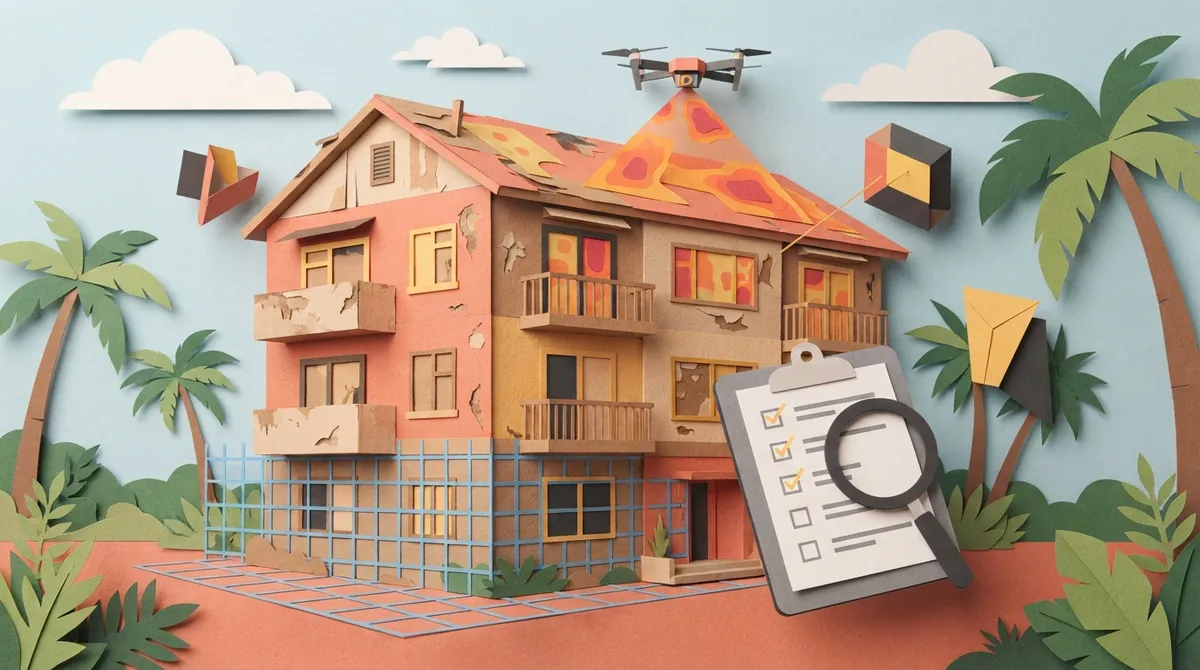
Gone are the days of inspectors climbing ladders and squinting at rooftops. Modern recertification inspections use advanced technology to get faster, more accurate results.
- Drones capture high-resolution images of roofs, facades, and hard-to-reach areas
- 3D laser scanning creates detailed models of structural elements
- Infrared cameras detect hidden electrical and moisture issues
- Digital reports are generated quickly and shared electronically
This technology doesn’t just save time. It also improves accuracy, which means fewer surprises during your official inspection. HOA property managers especially appreciate how these tools help meet tight deadlines without sacrificing quality.
13. Choosing the Right Team for Your Coral Springs Recertification
This might be the most important fact on this whole list. The team you choose makes all the difference in how smooth this process feels.
At O’Reilly Consultants, we bring together decades of combined experience. Sherard O’Reilly, our owner and qualifying architect, has deep expertise in property condition assessments and detailed building documentation. Catalina Torres brings 27 years of civil engineering and construction management knowledge to every project. Rafael Ojeda has completed over 1,000 environmental site assessments across South Florida, giving our team unmatched insight into local building conditions.
We serve Broward and Miami-Dade Counties with a sharp focus on recertification, electrical safety inspections, SIRS, PCA, and HOA reserve studies. Our guide on how to choose licensed building inspectors for recertification can help you understand what to look for, even if you decide to work with another team.
Why Property Owners Trust Our Approach
- Fast, accurate estimates backed by real technology
- Clear reports with actionable next steps, not confusing jargon
- Guidance through every stage, from notice to final submission
- Experience across condos, apartments, offices, and industrial buildings
- A small, specialized team that actually knows your neighborhood
You can also search official records anytime using the Search Miami-Dade Building Recertification Cases tool to check on filing statuses in that county. And if you’re curious what real clients say about working with us, visit us on Google — O’Reilly Consultants to read their experiences firsthand.
Final Thoughts on Coral Springs Building Recertification
We know this process can feel overwhelming at first glance. But here’s the truth. With the right team by your side, Coral Springs building recertification becomes a manageable, even straightforward, part of owning property in South Florida.
Whether you’re a condo board trying to protect your residents, an HOA manager juggling deadlines, or a commercial property owner protecting your investment, you deserve a partner who understands exactly what’s at stake. That’s exactly what we offer at O’Reilly Consultants.
Ready to get started? Request a free quote today, or call us at (512) 567-1191 to speak with our team directly. We’re here to make your recertification journey smooth, timely, and stress-free.
FAQs
Q: What is Coral Springs building recertification?
A: It’s a required safety inspection for older buildings in Coral Springs, covered under Broward County’s Building Safety Inspection Program. Buildings 25 years or older need a structural and electrical checkup to make sure everything is still safe and sound.
Q: Which buildings in Coral Springs need recertification?
A: Any building 25 years or older, whether it’s a condo, apartment complex, office building, or shopping center, generally needs this inspection. Single-family homes are usually not included, so this mostly applies to multi-family and commercial properties.
Q: How often is building recertification required in Broward County?
A: After your first inspection at 25 years, you’ll need to repeat the process every 10 years. Think of it as a recurring health checkup that keeps your building safe for everyone inside.
Q: What is the deadline after receiving a recertification notice in Coral Springs?
A: You typically get 180 days from the county’s notice to complete your inspection and submit all documentation. That sounds like a lot of time, but scheduling and repairs can eat into it fast, so it’s smart to start early.
Q: Who can perform a building recertification inspection in Florida?
A: Only Florida-licensed architects or engineers are allowed to complete these inspections and submit the official reports. This is exactly why working with an experienced, licensed team, like ours here at O’Reilly Consultants, makes such a big difference.