Key Takeaways
-
North Lauderdale requires building recertification at 25 years old, then every 10 years thereafter, with approximately 180 days to complete inspections and submit reports to avoid fines.
-
Only Florida-licensed professional engineers or architects can perform official recertification inspections; using unlicensed inspectors is a common costly mistake that invalidates the process.
-
Recertification includes mandatory structural and electrical inspections that identify issues like corroded rebar, failing electrical panels, and crumbling concrete before they become expensive emergencies.
-
If deficiencies are found, repairs must be completed and reinspected before final approval; permit fees of $106 plus plan review fees apply to repair work requiring formal permits.
-
North Lauderdale’s 25-year first recertification threshold differs from Miami-Dade County’s 30-year requirement, and Miami-Dade’s 90-day submission deadline is stricter than Broward’s typical 180-day window.
-
Avoid waiting until the last minute to hire inspectors, skipping electrical inspections, or ignoring minor deficiencies, as these mistakes can lead to missed deadlines and escalated repair costs.
Getting that recertification notice in the mail can feel a little overwhelming. Maybe you manage a condo association, or maybe you own a small apartment building near City Hall. Either way, you probably have questions. That’s completely normal, and you’re in good company. Thousands of building owners across Broward County face this same process every year.
North Lauderdale building recertification exists for one simple reason: to keep people safe. Older buildings settle, wiring ages, and materials wear down over time. A recertification inspection catches problems early, before they become expensive emergencies or safety hazards. Think of it like a wellness checkup for your building, except instead of a stethoscope, inspectors use structural analysis and electrical testing.
In this guide, we’ll walk you through everything you need to know about the recertification process in North Lauderdale. We’ll cover who needs it, what it involves, how much time you have, and what happens if repairs are needed. By the end, you’ll feel confident and ready to tackle this process with a clear plan. Let’s get started.

What Is North Lauderdale Building Recertification?
North Lauderdale building recertification is a safety review required for certain older buildings in the city. It’s part of a larger Broward County framework that helps make sure aging structures remain safe for the people who live, work, or shop inside them.
The process centers on two main evaluations: a structural inspection and an electrical inspection. A Florida-licensed engineer or architect must perform each one and then prepare a signed and sealed report. That report gets submitted to the local building department, and it becomes the official record of your building’s condition.
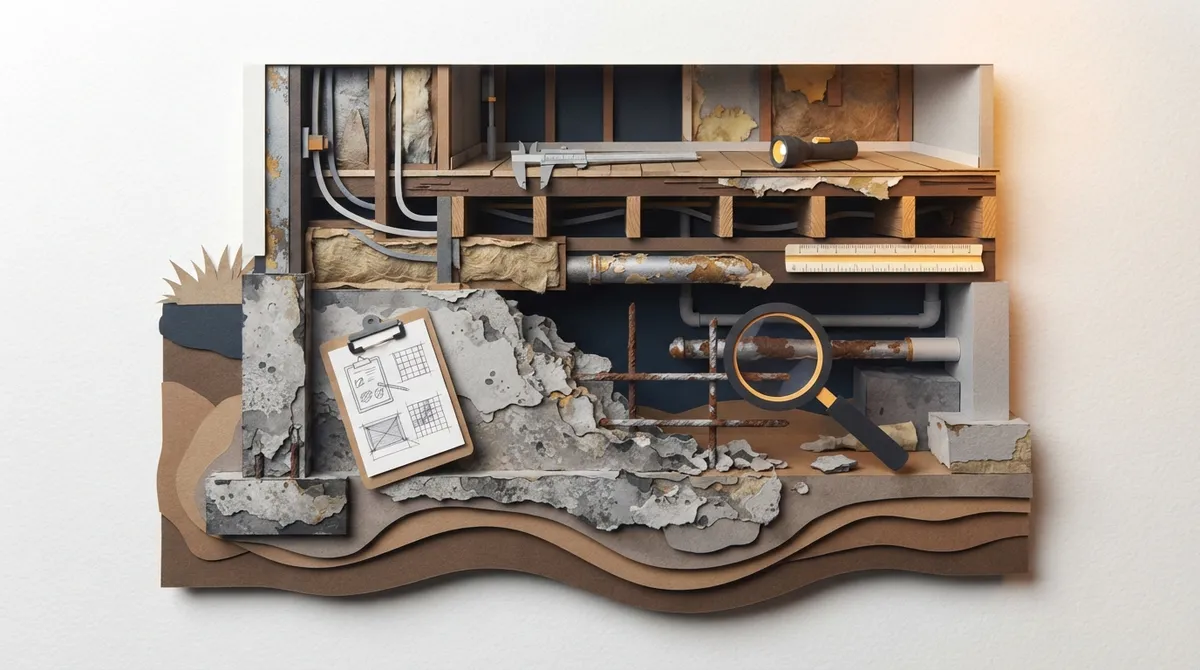
This isn’t just paperwork for the sake of paperwork. These inspections genuinely matter. They protect residents, employees, and visitors from hidden risks like corroded rebar, failing electrical panels, or crumbling concrete. If you own or manage a property, this process is one of the best tools you have to catch small issues before they turn into big, costly problems.

Who Needs Recertification in North Lauderdale?
Not every building falls under this requirement. Here’s a quick breakdown of what typically applies:
- Commercial buildings over a certain size or height threshold
- Multi-family residential buildings, including condos and apartment complexes
- Office buildings and mixed-use properties
- Buildings that have reached the age threshold set by local code
- Structures previously flagged for reinspection after past repairs
Meanwhile, some property types are usually excluded. Single-family homes and duplexes typically don’t need this kind of formal recertification. Very small buildings may also be exempt, depending on local code specifics. If you’re unsure whether your property qualifies, it’s always smart to check directly with the city or request a free quote from a team that handles these evaluations daily.
When Is Building Recertification Due?
Timing is everything with recertification, and missing a deadline can lead to fines or bigger headaches down the road. Here’s how the schedule generally works in Broward County, which includes North Lauderdale:
- The first recertification is typically due when a building reaches 25 years old.
- After that first review, buildings must be reinspected every 10 years.
- The city sends a formal notice once your property becomes due.
- You then have a set window, often around 180 days depending on jurisdiction, to complete the process and submit your reports.
- If deficiencies are found, repairs must be finished before final approval.
This differs from Miami-Dade County’s countywide rule, where the first recertification happens at 30 years, with repeat inspections every 10 years after that. Miami-Dade also requires report submission within 90 days of notice. If you own property in both counties, it helps to understand these differences so you’re never caught off guard. You can review the official guidelines through Miami-Dade County Recertification for comparison.
Broward vs. Miami-Dade: A Quick Comparison
| Requirement | North Lauderdale (Broward) | Miami-Dade County |
|---|---|---|
| First Recertification Age | 25 years | 30 years |
| Repeat Frequency | Every 10 years | Every 10 years |
| Submission Deadline | Often 180 days from notice | 90 days from notice |
| Who Can Perform Inspection | Licensed engineer or architect | Licensed engineer or architect |
Curious how these rules apply if you own properties in both counties? Our article on Miami-Dade building recertification breaks down the details further.
What Happens During the Inspection Process
Once you receive that official notice, it’s time to get moving. Here’s a simple step-by-step walkthrough of what happens next:
- Review the notice carefully and note your deadline.
- Hire a Florida-licensed engineer or architect qualified for structural and electrical review.
- Schedule the structural inspection, which examines the building’s foundation, walls, roof, and overall integrity.
- Schedule the electrical inspection, which checks wiring, panels, and safety systems.
- Receive the signed and sealed reports from your inspector.
- Submit the reports to the North Lauderdale building department along with any required forms.
- Complete any necessary repairs if deficiencies are identified.
- Schedule a reinspection if repairs were required, then finalize your approval.
This process might sound like a lot, but a good inspection team makes it smooth and stress-free. At O’Reilly Consultants, we guide clients through each step, from the moment the notice arrives to the final sign-off. We even use drones and 3D laser scanning to speed things up and improve accuracy, especially for taller or harder-to-access buildings.
Structural Inspection: What Gets Checked
A structural inspection looks at the bones of your building. Inspectors examine things like:
- Foundation condition and any visible settling
- Concrete surfaces for cracking, spalling, or corrosion
- Roof structure and drainage systems
- Load-bearing walls and support columns
- Balconies, railings, and exterior walkways
If you’ve ever wondered about small cracks appearing in walls or foundations, our guide on foundation cracks and hairline cracks in commercial buildings explains what’s normal and what’s a red flag.
Electrical Inspection: What Gets Checked
The electrical portion focuses on safety systems throughout the property. This typically includes:
- Main electrical panels and breaker conditions
- Wiring age and overall condition
- Emergency lighting and exit signage
- Fire alarm system connections
- Grounding and bonding systems
If you’d like a deeper look at how these evaluations work city by city, check out our North Lauderdale electrical safety inspections guide.
Who Can Perform the Inspection?
This is a really important point. Only a Florida-licensed professional engineer or architect, qualified in the relevant discipline, can prepare an official recertification report. You cannot use a general contractor or an unlicensed inspector for this process.
Choosing the right professional matters more than most owners realize. A qualified inspector understands both the technical requirements and the local permitting process. They also know how to spot subtle issues that less experienced eyes might miss. Our article on choosing licensed building inspectors for recertification offers helpful tips on what to look for.
What If Deficiencies Are Found?
Nobody wants to hear that their building has problems, but finding issues early is actually a good thing. Here’s what typically happens next:
- The inspector documents every deficiency in detail.
- You receive a report outlining necessary repairs.
- Repairs are scheduled with a licensed contractor.
- Permits may be required for certain repair work.
- A reinspection confirms the repairs meet code.
- Final approval is granted once everything checks out.
North Lauderdale’s permitting resources note that permit applications carry a processing fee of $106, plus a separate plan review fee. This applies to recertification-related repair work that requires formal permits. You can find more details through the city’s e-permit portal.
How Much Does Recertification Cost?
Costs vary depending on building size, complexity, and whether repairs are needed. Generally speaking, you’re looking at three cost categories:
- Inspection fees, covering the structural and electrical evaluations
- Permit and plan review fees, including the city’s processing charges
- Repair costs, which depend entirely on what deficiencies are found
Getting an accurate estimate early helps you budget properly and avoid surprises. That’s one reason many condo boards and property managers reach out for a detailed quote before their deadline arrives.
Why Choose O’Reilly Consultants for Your Recertification
We know this process can feel intimidating, especially if it’s your first time going through it. That’s exactly why our team focuses so heavily on making recertification simple, transparent, and stress-free for building owners across Broward and Miami-Dade Counties.
Our team is led by owner and qualifying architect Sherard O’Reilly, who brings deep experience in property condition assessments and detailed building documentation. We’re also supported by Construction Manager and Engineer Catalina Torres, who has 27 years of civil engineering experience, and Project Engineer Rafael Ojeda, who has completed over 1,000 environmental site assessments across South Florida.
We use advanced tools like drones and 3D laser scanning to inspect buildings more thoroughly and efficiently. This means faster turnaround times and more accurate reports, which helps you meet your deadline with confidence. Whether you’re managing a condo association, a commercial plaza, or a multi-family apartment complex, we tailor our approach to your property’s specific needs.
Beyond recertification, we also offer related services including Structural Integrity Reserve Studies (SIRS), property condition assessments, and HOA reserve studies. This gives building owners a one-stop resource for staying compliant year after year. You can learn more about our team and background, or explore our step-by-step recertification process guide for more detail.
Curious what other clients have said about working with us? Feel free to visit us on Google — O’Reilly Consultants to see reviews and feedback from real property owners across South Florida.
Common Mistakes to Avoid
Over the years, we’ve seen a few recurring mistakes that cause unnecessary stress for building owners. Here’s what to watch out for:
- Waiting too long after receiving the recertification notice
- Hiring an unlicensed or unqualified inspector to save money
- Skipping electrical inspection because the building “looks fine”
- Ignoring minor deficiencies that grow into bigger problems
- Failing to budget for potential repair costs upfront
- Not confirming permit requirements before starting repairs
Avoiding these pitfalls can save you time, money, and a lot of unnecessary stress. If you’ve ever wondered how professional inspectors compare to general contractors for this type of work, our piece on certified vs. general inspectors is worth a read.
Final Thoughts
North Lauderdale building recertification doesn’t have to be stressful. With the right team by your side, it becomes a manageable, even reassuring process. You’re not just checking a box for the city. You’re making sure your building stays safe, valuable, and ready for whatever comes next.
Whether you’re a condo board managing your first recertification cycle or a commercial property owner navigating multiple buildings, having a trusted partner makes all the difference. Our team at O’Reilly Consultants is here to guide you every step of the way, from the initial notice to the final approval.
Ready to get started or simply want to ask a few questions before your deadline sneaks up on you? Request a free quote today, or feel free to call us at (512) 567-1191 to speak with our team directly. We’re here to help you protect your property and your peace of mind.
FAQs
Q: What buildings in North Lauderdale need recertification?
A: Generally, commercial buildings, condos, and multi-family residential properties that reach 25 years old need recertification. Single-family homes and duplexes are usually excluded, so it’s always worth confirming your property’s status with the city or a trusted inspection team.
Q: When is building recertification due in North Lauderdale?
A: Recertification is typically due when a building turns 25 years old, with repeat inspections every 10 years after that. The city sends a formal notice once your building becomes due, and you’ll have a set window, often around 180 days, to complete everything.
Q: How does North Lauderdale building recertification differ from Miami-Dade recertification?
A: North Lauderdale, part of Broward County, typically requires first recertification at 25 years, while Miami-Dade uses a 30-year threshold. Miami-Dade also requires report submission within 90 days of notice, which is stricter than Broward’s typical timeline.
Q: Who can perform a building recertification inspection in North Lauderdale?
A: Only a Florida-licensed professional engineer or architect, qualified in the relevant discipline, can prepare the official structural and electrical reports. This isn’t a job for a general contractor, so choosing a qualified team really matters.
Q: What happens if a North Lauderdale building fails recertification?
A: If deficiencies are found, you’ll need to complete repairs before the building can be approved for continued occupancy. A reinspection usually follows the repairs to confirm everything meets code, and then final approval is granted.