

Key Takeaways
-
PCAs follow the ASTM E2018 national standard and produce two critical outputs: an Immediate Repairs Table for urgent fixes and a Replacement Reserve Table projecting 12+ years of capital needs, enabling data-driven budgeting.
-
Coconut Creek building owners must integrate PCAs with Broward County’s mandatory recertification requirements at 30-40 year milestones to avoid costly surprises and ensure structural, mechanical, and electrical compliance.
-
PCAs require qualified ASTM E2018-experienced engineers and should never be chosen based on lowest cost alone, as underqualified providers miss critical electrical and structural issues that compromise safety and recertification approval.
-
Property Condition Assessments serve distinct purposes for different stakeholders: condo boards use them for reserve planning, investors for due diligence, lenders for baseline condition documentation, and owners for pre-recertification compliance preparation.
-
Advanced inspection tools like drone imaging and 3D laser scanning improve PCA accuracy for hard-to-reach building areas, resulting in faster turnarounds and reports that withstand lender and county scrutiny.
-
Early PCA ordering—ideally before problems escalate—is significantly more cost-effective than reactive assessments, and timely completion prevents delays in recertification timelines and refinancing processes.
If you own or manage a building in Coconut Creek, you’ve probably heard the term Property Condition Assessment — or PCA — come up more and more. Whether you’re refinancing, buying, selling, or simply trying to stay ahead of Broward County’s building recertification requirements, a PCA can be a real game-changer. It gives you a clear, honest picture of exactly where your building stands — and what it needs next.
A Coconut Creek Property Condition Assessment is not just a box to check. It’s a powerful planning tool that helps condo boards, apartment owners, real estate investors, commercial property owners, and HOA managers make smarter decisions. And in a market like South Florida — where aging buildings face strict compliance timelines — having that information early can save you serious time, money, and stress.
Let’s walk through everything you need to know about PCAs in Coconut Creek, how they connect to building recertification, and how to get the process started the right way.
What Is a Property Condition Assessment (PCA)?
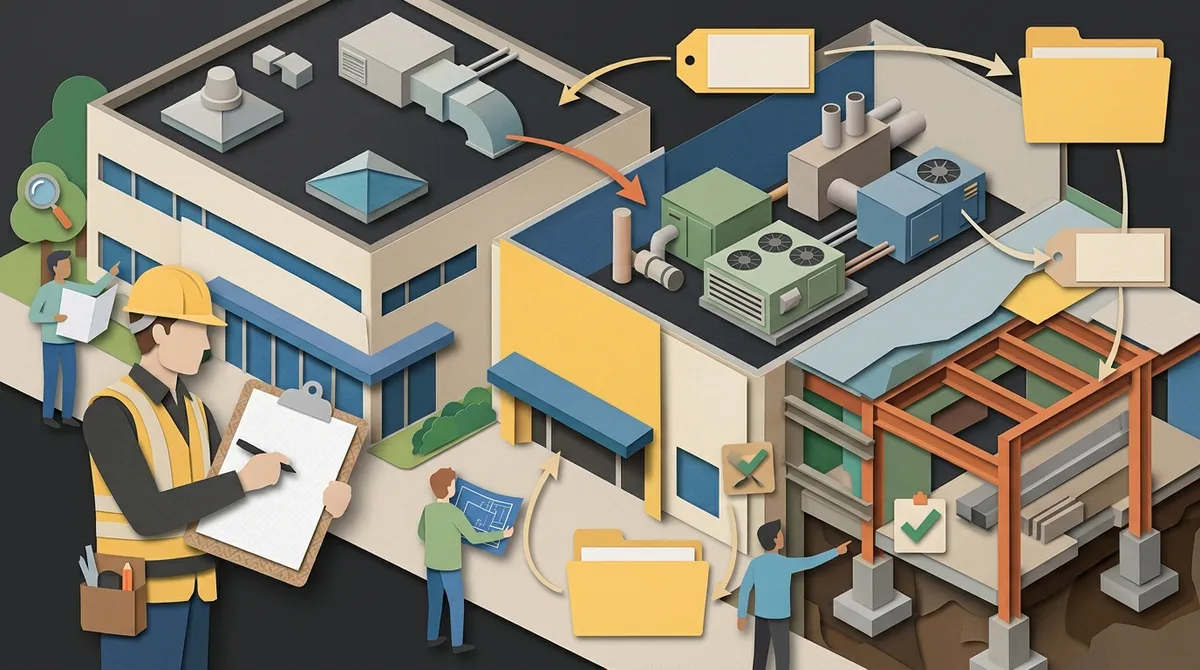
A Property Condition Assessment is a professional, engineering-based inspection of a building’s major systems and physical components. Think of it as a thorough health check for your property. A qualified engineer or inspector walks through the building and evaluates everything from the roof to the foundation, noting deficiencies, estimating repair costs, and forecasting future capital needs.
Most PCAs in Coconut Creek and the broader South Florida market follow ASTM E2018, the nationally recognized standard guide for baseline property condition assessments. This standard ensures consistency, thoroughness, and credibility — especially when the report is used for lending, acquisition, or recertification purposes.
PCAs are commonly ordered during:
- Commercial real estate transactions and acquisitions
- Refinancing and lender due diligence reviews
- Long-term capital planning for aging buildings
- Pre-recertification planning to identify needed repairs
- HOA reserve study support and documentation
For a deeper look at how building inspections work in the region, check out what a commercial building inspection really covers and how it relates to compliance and capital planning.

What Does a PCA Report Include?
A well-prepared PCA report gives you two critical outputs that help with planning and budgeting. These are the core deliverables that lenders, investors, and property managers rely on:
- Immediate Repairs Table — Lists deficiencies that need to be fixed right away, often within 12 months, to protect safety and prevent further damage.
- Replacement Reserve Table — Projects the expected lifespan and replacement cost of major building components over a 12-year horizon (or longer, depending on scope).
- Narrative Report — A written description of each building system’s current condition, observed deficiencies, and recommendations.
The following table gives you a quick overview of the major building systems typically evaluated in a Coconut Creek PCA:
| Building System | What Gets Evaluated | Why It Matters |
|---|---|---|
| Roofing | Membrane condition, drainage, flashing | High repair cost; impacts interior systems |
| Structural Systems | Foundation, columns, slabs, walls | Critical for recertification and safety |
| Mechanical (HVAC) | Equipment age, condition, maintenance | Comfort and energy cost driver |
| Electrical Systems | Panels, wiring, service capacity | Code compliance and fire safety |
| Plumbing | Supply lines, drains, fixtures | Water damage risk and code compliance |
| Site Improvements | Parking, landscaping, drainage | ADA compliance and liability |
| Exterior Envelope | Facade, windows, cladding | Weatherproofing and structural integrity |

How PCAs Connect to Building Recertification in Coconut Creek
Here’s where things get really interesting for Coconut Creek property owners. Broward County’s building recertification program requires that buildings reaching certain age thresholds — such as 40 years — undergo mandatory structural and electrical inspections. If you’re unfamiliar with those requirements, the article on 40-year building recertification: what Florida owners must know is a great place to start.
A Coconut Creek Property Condition Assessment fits perfectly into this process. Here’s how:
- It documents the building’s current structural, mechanical, and electrical condition before required repairs begin.
- It identifies deficiencies that may need to be addressed to pass recertification.
- It provides lenders or investors with a baseline condition report before financing a renovation project.
- It supports HOA boards in planning reserves that align with upcoming recertification work.
Think of a PCA as laying the groundwork. Once you know what your building needs, you can move confidently into the formal recertification process. You can also learn more about the 8 key steps in the building recertification process to understand how each phase fits together.

Who Needs a PCA in Coconut Creek?
Property Condition Assessments are valuable for a wide range of property types and owners. In the Coconut Creek and Broward County market, PCAs are most commonly used for:
- Multifamily apartment buildings and condominium complexes
- Office buildings and medical offices
- Retail centers and shopping plazas
- Industrial and warehouse properties
- Mixed-use developments
If you’re a condo association board, a PCA gives you critical documentation to support reserve funding and prepare for recertification timelines. If you’re a real estate investor, it protects you from buying into a property with hidden repair liabilities. And if you’re a commercial property owner refinancing an aging asset, your lender will almost certainly require one.
For condo boards specifically, understanding the 14 SIRS requirements Coconut Creek condos face in 2026 alongside a PCA can give your board a much more complete picture of your long-term obligations.
PCA vs. Other Common Property Evaluations
It’s easy to confuse a PCA with other types of inspections. Here’s a simple breakdown to clear things up:
| Evaluation Type | Primary Purpose | Who Orders It |
|---|---|---|
| Property Condition Assessment (PCA) | Engineering-based condition review and capital planning | Lenders, investors, owners |
| Home Inspection | Residential buyer due diligence | Homebuyers |
| Phase I Environmental Site Assessment | Identify environmental contamination risk | Buyers, lenders |
| Building Recertification Inspection | Structural and electrical compliance at age milestones | Building owners (mandated) |
| Capital Reserve Study / SIRS | Long-term reserve fund planning for HOAs and condos | Condo associations, HOAs |
Some providers bundle PCAs with environmental site assessments and capital reserve studies for a complete due-diligence package. This can be especially helpful if you’re handling a large commercial transaction or a complex recertification project in Coconut Creek.
The O’Reilly Consultants Approach to PCAs in Coconut Creek
O’Reilly Consultants brings a uniquely specialized approach to Coconut Creek Property Condition Assessments. Led by owner and qualifying architect Sherard O’Reilly, who has deep experience in ASTM E2018-standard PCAs, the team evaluates everything from facades and fire systems to utilities, mechanical equipment, and site characteristics — with meticulous documentation at every step.
The team also includes Construction Manager and Engineer Catalina Torres, who brings 27 years of civil engineering and construction management experience, and Project Engineer Rafael Ojeda, who has completed over 1,000 Phase I Environmental Site Assessments across South Florida. That’s a genuinely powerful combination of expertise under one roof.
What makes O’Reilly Consultants stand out is the use of advanced tools like drones and 3D laser scanning to capture hard-to-reach areas of a building’s exterior, roof, and structural elements. This leads to more accurate assessments, faster turnarounds, and reports that hold up under lender and county scrutiny alike.
You can read what O’Reilly Consultants clients are saying on Google to get a feel for how they approach every project — with professionalism, responsiveness, and a genuine commitment to helping you stay compliant and prepared.
Steps to Getting a Coconut Creek PCA Done Right
Here’s a simple step-by-step guide to help you move forward with confidence:
- Identify your need. Are you buying, refinancing, planning for recertification, or updating your capital reserves? Your goal shapes the scope of the PCA.
- Choose a qualified provider. Look for a licensed engineer or architect with ASTM E2018 experience in South Florida. Learn more about how to choose licensed building inspectors for recertification.
- Schedule the walk-through inspection. The on-site visit typically takes a few hours for smaller buildings and a full day for larger commercial properties.
- Review the draft report. Ask your provider to walk you through the Immediate Repairs Table and the Replacement Reserve Table so you understand the numbers.
- Create an action plan. Use the PCA findings to prioritize repairs, update your reserve fund, and prepare for any upcoming recertification deadlines.
If you’re unsure whether your building is approaching a recertification milestone, check Search Miami-Dade Building Recertification Cases to look up open cases in your area, or review the Miami-Dade County Recertification guidelines for up-to-date requirements.
What to Expect from a PCA in Terms of Cost and Timeline
PCA costs in Broward County can vary depending on building size, type, and scope of work. Smaller commercial properties may cost less, while large multifamily complexes or industrial facilities will require more time and expertise. In general, you should budget anywhere from a few thousand dollars on the low end to significantly more for larger or more complex assets.
Turnaround time for a PCA report typically ranges from one to two weeks after the site visit, depending on the provider’s workload and the complexity of the property. Keep in mind that if you’re on a tight recertification deadline, it’s always better to start the PCA process earlier rather than later.
For buildings with pressing recertification timelines, understanding the importance of 40-year building recertification for property longevity can help you frame the PCA as an investment — not just an expense.
Common Mistakes to Avoid with Property Condition Assessments
Even experienced property owners can stumble when it comes to PCAs. Here are the most common pitfalls to steer clear of:
- Waiting too long: Ordering a PCA after problems have escalated is costly. Early assessments save money.
- Choosing the cheapest option: A low-cost PCA from an underqualified provider can miss critical issues that hurt you later.
- Ignoring the reserve table: The Replacement Reserve Table is just as important as the Immediate Repairs list — don’t overlook long-term capital planning.
- Not tying the PCA to recertification planning: If your building is approaching a 30- or 40-year milestone, integrate your PCA findings with your recertification strategy from the start.
- Skipping the electrical evaluation: Electrical deficiencies are among the most cited issues in Broward County recertification inspections. Make sure your PCA covers electrical systems thoroughly.
For more on avoiding common inspection mistakes, visit 7 professional building inspection mistakes you must avoid.
Ready to Get Started with a Coconut Creek PCA?
Whether you’re a condo board preparing for recertification, an investor running due diligence on a new acquisition, or a property manager looking to update your capital reserve plan, a Coconut Creek Property Condition Assessment is one of the smartest moves you can make right now. It gives you the data you need to protect your investment, meet compliance requirements, and plan confidently for the future.
The team at O’Reilly Consultants is ready to help you through every step — from the initial walk-through to the final report and beyond. With deep expertise in ASTM E2018 assessments, building recertification, and South Florida’s regulatory landscape, they’re the right partner for your property. Schedule your Coconut Creek Property Condition Assessment today and get the clear, actionable picture your building deserves.
FAQs
Q: What is a Property Condition Assessment (PCA) in Coconut Creek?
A: A PCA is a professional, engineering-based inspection that evaluates a building’s major systems — including structure, roofing, mechanical, electrical, and plumbing — to identify deficiencies and forecast capital repair needs. In Coconut Creek, PCAs typically follow the ASTM E2018 standard and are used for real estate transactions, refinancing, and building recertification planning. Think of it as your building’s full health check-up!
Q: How does a PCA relate to building recertification in Broward County?
A: A PCA is a fantastic complement to the building recertification process. It documents your building’s current condition before required repairs begin, identifies issues that could affect your ability to pass recertification, and helps you plan capital expenditures around upcoming 30- or 40-year inspection deadlines. Getting a PCA early means fewer surprises when the formal recertification process begins.
Q: Who needs a Property Condition Assessment in Coconut Creek?
A: PCAs are commonly needed by commercial property buyers, lenders, real estate investors, condo association boards, apartment building owners, and HOA property managers. Essentially, anyone who needs a clear, documented picture of a building’s condition — whether for a transaction, refinancing, or long-term capital planning — will benefit from a Coconut Creek PCA.
Q: Is ASTM E2018 required for Property Condition Assessments?
A: ASTM E2018 is the nationally recognized standard guide for baseline property condition assessments, and most lenders and investors require PCA reports to follow this standard. While it’s not always mandated by law, following ASTM E2018 ensures your report is credible, thorough, and accepted by financial institutions and government agencies alike.
Q: How long does a Property Condition Assessment take in Coconut Creek?
A: The on-site walk-through typically takes a few hours for smaller properties and a full day for larger or more complex buildings. After the inspection, most providers deliver the final PCA report within one to two weeks. If you’re working with a recertification deadline, it’s always a great idea to start the PCA process as early as possible to give yourself plenty of time.