
Key Takeaways
-
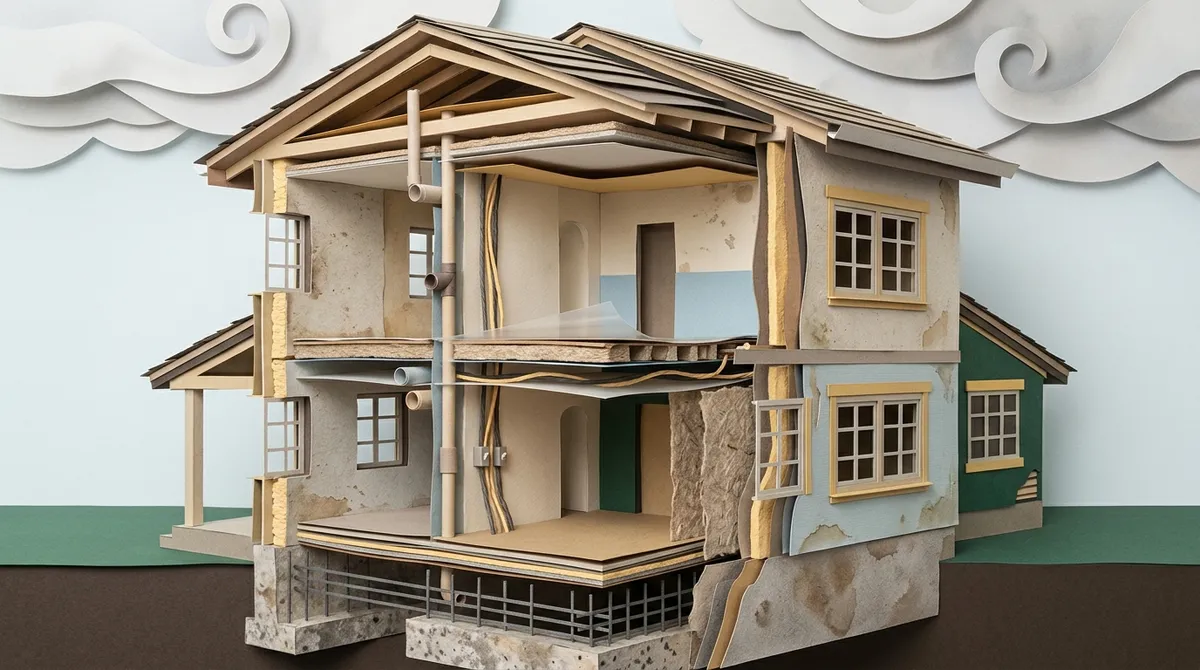
Florida law mandates full reserve funding for SIRS components with no waivers allowed, a direct response to the Surfside collapse that prevents the deferred maintenance that contributed to that tragedy.
-
SIRS must be performed every 10 years by a licensed Florida engineer or architect and evaluates eight specific structural components including roofs, load-bearing systems, plumbing, electrical, waterproofing, windows, fireproofing, and elements exceeding $25,675 cost threshold.
-
Associations with buildings three stories or higher that existed before July 1, 2022 were required to complete their first SIRS by December 31, 2024; missing this deadline creates serious non-compliance issues and personal liability for board members.
-
Board members and officers can face personal liability for breach of fiduciary duty if they fail to complete a SIRS or fund reserves as required, making compliance a legal and financial priority.
-
North Lauderdale’s humid, hurricane-prone climate accelerates wear on building components, making SIRS assessments critical for proactive planning rather than reactive repairs after weather-related deterioration.
-
SIRS data feeds directly into broader building recertification processes, providing condition ratings and cost projections that support 40-year and subsequent 10-year recertification inspections required in Broward County.
If you manage a condo building or HOA in North Lauderdale, you’ve probably heard the term North Lauderdale Structural Integrity Reserves Studies (SIRS) more than a few times lately. And honestly? There’s a good reason for that buzz. Since the tragic Surfside collapse in 2021, Florida has made sweeping changes to how buildings are inspected and funded for future repairs. SIRS is now a core part of that safety net — and it affects thousands of condo associations right here in Broward County.
Whether you’re a condo board member trying to stay compliant, a property manager juggling multiple buildings, or an apartment owner wanting to protect your investment, this guide is for you. We’ve broken down everything you need to know about SIRS in North Lauderdale into 14 clear, easy-to-follow facts. Let’s get into it!

What Is a Structural Integrity Reserve Study (SIRS)?
A Structural Integrity Reserve Study (SIRS) is a mandatory engineering assessment required by Florida law. It evaluates the physical condition of key structural components in your building and calculates how much money your association needs to save for future repairs. Think of it as a financial safety plan backed by real engineering data.
Unlike a basic financial reserve study, a SIRS requires a physical visual inspection by a licensed engineer or architect. It’s not just about looking at spreadsheets — it’s about actually walking the building and understanding what repairs are coming and when. If you’re curious about how this fits into the broader landscape of building safety, check out this helpful overview on what building recertification is and why it matters.

14 Key Facts About North Lauderdale SIRS You Need to Know
1. SIRS Is Required by Florida State Law
Florida Senate Bill 4-D, passed in May 2022 following the Surfside collapse, made SIRS mandatory statewide. This law applies to condominium and cooperative associations with buildings that are three stories or higher. North Lauderdale condo communities are fully subject to this requirement under Florida Statute 718.112(2)(g).
2. Your Building Must Be Three Stories or Higher
Not every building needs a SIRS. The law specifically targets residential condominiums and cooperatives that are three stories or taller. If your building meets this threshold, compliance is not optional — it’s the law. For a deeper dive into how this connects to recertification requirements, visit our page on 40-year building recertification and what Florida owners must know.
3. The Initial Deadline Was December 31, 2024
Associations that existed on or before July 1, 2022 were required to complete their first SIRS by December 31, 2024. If your association missed that deadline, you’re already out of compliance. That’s a serious issue worth addressing right away — non-compliance can expose board members to personal liability.
4. SIRS Must Be Repeated Every 10 Years
This isn’t a one-and-done task. Florida law requires that SIRS be conducted every 10 years for each qualifying building. This ensures that your reserve funding stays accurate as the building ages and repair needs evolve over time.
5. Eight Specific Components Are Evaluated
A SIRS doesn’t look at every inch of your building — it focuses on eight key structural and safety components. Here’s what gets evaluated:
- Roofs
- Load-bearing structural systems
- Fireproofing and fire protection systems
- Plumbing
- Electrical systems
- Waterproofing and exterior painting
- Windows and exterior doors
- Any other element exceeding the cost threshold that impacts structural integrity
For the electrical component specifically, you may also want to review our North Lauderdale electrical safety inspections guide to understand how electrical assessments tie into the full picture.
6. There’s a Cost Threshold for the Eighth Component
The eighth category — “other elements impacting structural integrity” — only applies if the estimated repair or replacement cost exceeds $25,000. This threshold is adjusted annually based on the Consumer Price Index (CPI-U). In 2026, thanks to updates from HB 913, that threshold is approximately $25,675. Any component below this cost does not need to be included in the SIRS.
7. Only a Licensed Engineer or Architect Can Perform a SIRS
This is a big one. A SIRS must be conducted by a Florida-licensed engineer or architect. It cannot be done by a property manager, a financial consultant, or anyone without the proper professional credentials. The physical visual inspection requirement is what sets SIRS apart from traditional reserve studies. Want to understand the difference between certified and general inspectors? Read our article on certified vs. general inspectors and who should recertify your building.
8. Full Reserve Funding Is Now Mandatory — No Waivers Allowed
Before the Surfside tragedy, many condo associations voted to waive or reduce their reserve contributions. That loophole is now closed. Florida law requires full funding of reserves for all SIRS components. There are no waivers permitted. This change was made specifically to prevent the kind of underfunded maintenance backlog that contributed to the Surfside disaster.
9. Non-Compliance Is a Breach of Fiduciary Duty
If your board fails to complete a SIRS or fails to fund reserves as required, board members and officers can be held personally liable. This isn’t just a fine — it’s a breach of fiduciary duty under Florida law. The legal and financial consequences can be severe, making compliance a top priority for every condo association in North Lauderdale.
10. SIRS Is Different from a Milestone Inspection
Many people confuse SIRS with milestone inspections — but they serve different purposes. Here’s a quick comparison:
| Feature | SIRS | Milestone Inspection |
|---|---|---|
| Primary Focus | Reserve funding + visual inspection | Structural integrity assessment |
| Who Performs It | Licensed engineer or architect | Licensed engineer or architect |
| Phase Structure | Single study | Phase 1 and Phase 2 |
| Output | Reserve funding schedule | Structural condition report |
| Triggered By | Building age and story count | Building age (30 years, then every 10) |
Both studies are important, but they’re not interchangeable. You may need both depending on your building’s age and height. To learn more about milestone-style recertification timelines, explore our guide on the 8 key steps in the building recertification process.
11. HB 913 Brought Important Updates Effective July 1, 2025
Florida’s HB 913 refined several SIRS requirements. Key changes include:
- Updated cost thresholds indexed to inflation (now $25,675 in 2026)
- Some funding flexibility adjustments for condo and HOA communities
- Clarifications on which components qualify under the eighth category
- Streamlined guidance for associations navigating compliance timelines
Staying current on these legislative updates is essential. Neighboring communities have navigated similar changes — check out how Coconut Creek condos are approaching their 2026 SIRS requirements for a useful comparison.
12. North Lauderdale’s Climate Makes SIRS Even More Critical
Broward County buildings face unique challenges from Florida’s humid, hurricane-prone climate. Salt air, heavy rain, and high winds accelerate wear on roofing systems, waterproofing membranes, and structural components. A thorough SIRS helps North Lauderdale associations plan ahead for weather-related deterioration — not just react to it after the fact.
You can also check the Miami-Dade County Recertification portal for broader context on how South Florida counties are handling building safety requirements across the region.
13. SIRS Supports Your Building Recertification Process
In Broward County, SIRS aligns closely with the overall building recertification framework. A well-executed SIRS can provide vital documentation that supports your 40-year (and subsequent 10-year) recertification inspections. The data gathered during a SIRS — condition ratings, remaining useful life estimates, repair cost projections — feeds directly into the broader compliance picture. For more detail on how this works, read our article on the importance of 40-year building recertification for property longevity.
14. Choosing the Right Professional Makes All the Difference
A SIRS is only as good as the engineer who performs it. You want a licensed professional with real South Florida experience — someone who understands local building codes, climate challenges, and county-specific requirements. The right team will provide clear, actionable findings that help your board make confident decisions about reserve funding and future repairs.
Learn how to choose licensed building inspectors for recertification to make sure you’re selecting the right partner for your community.

How SIRS Fits Into a Broader Compliance Strategy
For North Lauderdale condo boards and HOA managers, SIRS is one piece of a larger compliance puzzle. You also need to think about milestone inspections, electrical safety reviews, and your overall recertification schedule. Staying on top of all these requirements can feel overwhelming — but the right professional team makes it manageable.
Communities nearby have been navigating the same questions. For example, check out how Margate condo associations are completing their Structural Integrity Reserve Studies and what lessons apply to North Lauderdale buildings. You can also explore how Lauderhill associations are completing their SIRS for additional regional insight.
If your building is also approaching the 40-year mark, visit our dedicated 40-year recertification page to understand what that process involves and how SIRS data can support it.
What to Expect During the SIRS Process
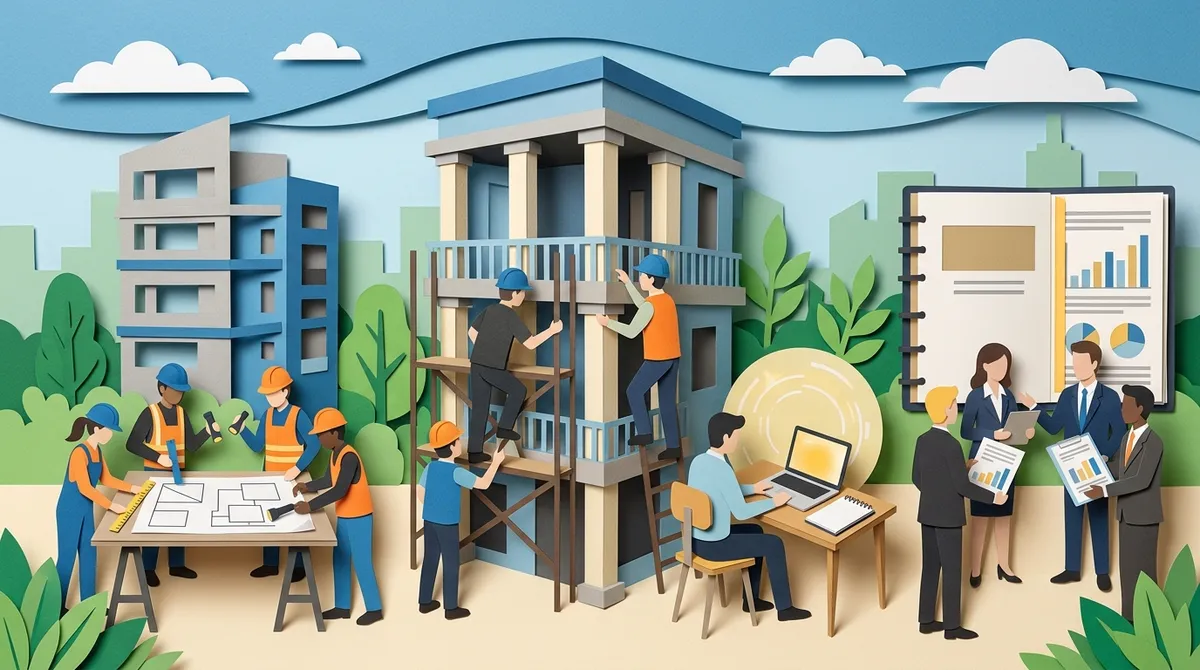
Wondering what actually happens when a licensed professional comes out to perform your SIRS? Here’s a simple step-by-step overview:
- Initial consultation: Discuss the scope, building details, and any known concerns with your engineer.
- Document review: The engineer reviews existing maintenance records, prior inspection reports, and any available construction documents.
- Physical visual inspection: A hands-on walkthrough of all eight SIRS components, noting condition, age, and estimated remaining life.
- Cost estimation: The engineer calculates projected replacement or repair costs for each component.
- Reserve funding analysis: A funding schedule is developed showing how much your association needs to contribute annually to meet full funding requirements.
- Final report delivery: You receive a clear, detailed written report that your board can use for budgeting, planning, and compliance documentation.
For questions about how to verify existing recertification cases in your area, you can use the Miami-Dade Building Recertification Case Search tool as a reference point for understanding how compliance tracking works across South Florida.
Why O’Reilly Consultants Is the Right Choice for North Lauderdale SIRS
O’Reilly Consultants is a specialized engineering team serving Broward and Miami-Dade Counties with deep expertise in building recertification, SIRS, and structural assessments. Led by qualifying architect Sherard O’Reilly and supported by Civil Engineer Catalina Torres (27 years of experience) and Project Engineer Rafael Ojeda (16+ years in environmental due diligence), the team brings the kind of hands-on South Florida knowledge your community deserves.
They use advanced tools like drones and 3D laser scanning to deliver thorough, accurate assessments — and they guide you through every step of the compliance process, from the initial inspection all the way to final documentation submission. You can check out O’Reilly Consultants on Google to see what other condo boards and property managers are saying about their experience.
You can also review common pitfalls to avoid by reading about SIRS mistakes Coral Springs condo boards must avoid — many of which apply directly to North Lauderdale associations as well. And for a broader look at how SIRS fits into South Florida’s building safety landscape, explore why Miramar condos need Structural Integrity Reserve Studies.
Final Thoughts
North Lauderdale Structural Integrity Reserves Studies (SIRS) are not just a legal checkbox — they’re a genuine investment in the safety and long-term financial health of your building and community. With deadlines already passed for many associations, there’s no time to wait. Whether you’re just getting started or trying to catch up on a missed deadline, working with a licensed, experienced professional is the smartest move you can make.
Ready to get your North Lauderdale condo or multi-family building into full SIRS compliance? Request a free consultation with O’Reilly Consultants today and let our team guide you through every step of the process with confidence and care.
FAQs
Q: What is a Structural Integrity Reserve Study (SIRS) and does North Lauderdale require it?
A: A SIRS is a mandatory engineering assessment that evaluates eight key structural components of your building and calculates how much your association needs to save for future repairs. Yes — North Lauderdale condo and cooperative associations with buildings three stories or higher are required to complete one under Florida state law. It’s a critical step in keeping your community safe and financially prepared!
Q: What was the initial SIRS deadline for North Lauderdale condo associations?
A: Great question! Associations that were in existence on or before July 1, 2022 had until December 31, 2024 to complete their first SIRS. If your community missed that deadline, don’t panic — but do act quickly. Non-compliance can result in personal liability for board members, so getting compliant as soon as possible is the right move.
Q: How is a SIRS different from a traditional reserve study?
A: A traditional reserve study is primarily a financial planning tool, and it’s not always mandatory or performed by a licensed engineer. A SIRS, on the other hand, requires a physical visual inspection by a licensed Florida engineer or architect, focuses specifically on eight structural components, and mandates full reserve funding with no waivers allowed. Think of SIRS as the more rigorous, safety-first version of the two!
Q: Can our condo association vote to waive or reduce SIRS reserve contributions?
A: Unfortunately, no — and this is one of the biggest changes from Florida’s new laws. Full funding of reserves for SIRS components is mandatory under Florida Statute 718.112(2)(g), and waivers are no longer permitted. This rule was put in place specifically to prevent the kind of deferred maintenance that contributed to the Surfside tragedy. Your board must budget for full funding going forward.
Q: How often does a SIRS need to be completed for buildings in North Lauderdale?
A: Florida law requires a SIRS to be completed every 10 years for each qualifying building that is three stories or higher. So while the initial study may feel like a big lift, you’ll want to treat it as a recurring part of your association’s long-term maintenance and financial planning cycle. Think of it as a regular health checkup for your building!