
Key Takeaways
-
Hillsboro Beach now requires initial building recertification at 25 years of age (not 40 years), followed by recurring inspections every 10 years to catch aging-related problems before they become expensive.
-
Only licensed Florida architects or professional engineers can perform recertification inspections and prepare required structural and electrical reports; hiring unqualified inspectors risks non-compliance.
-
Single-family homes, two-family dwellings, government buildings, schools, and structures under 3,500 square feet may be exempt, but exemption status must be confirmed with the local building official.
-
Inspection reports must be submitted through Hillsboro Beach’s specific designated building department channels; incorrect submission procedures can cause compliance delays and potential fines.
-
A failed recertification inspection is not a declaration of unsafe conditions but rather identifies specific repairs needed to meet safety standards; most issues are resolved through targeted repairs and resubmission.
-
Coastal buildings in Hillsboro Beach require extra scrutiny of seawalls, balconies, concrete corrosion, and salt-air damage due to constant environmental exposure from storms and moisture.
If you own or manage a building in Hillsboro Beach, you’ve probably heard the term “recertification” tossed around at HOA meetings or in a letter from the town. It can sound scary, especially if you’re not sure what it means for your property or your wallet. Take a deep breath. We’re here to walk you through it, friend to friend, so you know exactly what to expect.
Hillsboro Beach building recertification is part of Broward County’s Building Safety Inspection Program. You might also hear it called the 40-Year Inspection Program, though that name is a bit outdated now. The rules have changed, and staying current on those changes could save you a lot of stress (and money) down the road.
Whether you’re on a condo board, managing an HOA, or you own a commercial property near the beach, this guide breaks down the five most important facts you need to know. We’ll cover deadlines, exemptions, inspection requirements, and what happens if repairs are needed. By the end, you’ll feel confident and ready to tackle your building’s recertification with a clear plan.
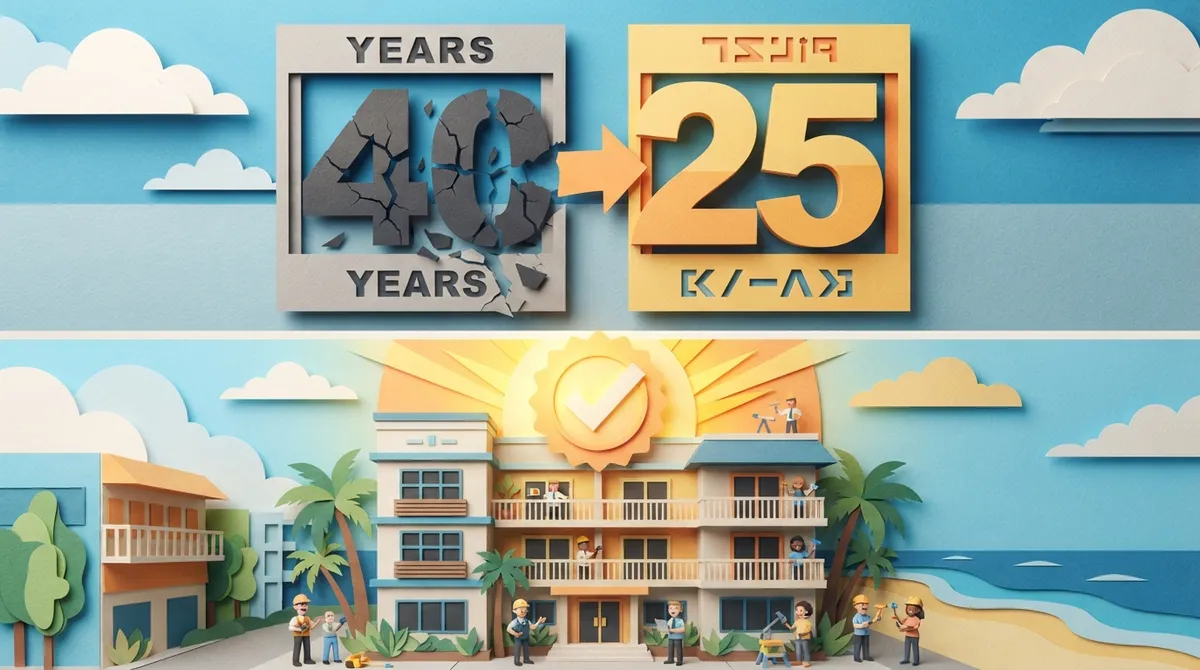
1. The 25-Year Rule Has Replaced the Old 40-Year Standard
Here’s the biggest update you need to know. The Town of Hillsboro Beach now follows Broward County’s revised program, which generally requires an initial safety inspection when a covered building turns 25 years old. This is a change from the older 40-year rule many property owners still remember.
This update aligns with Florida Statutes Section 553.899, which governs milestone and structural safety inspections for aging buildings. If your building is getting close to that 25-year mark, it’s smart to start planning now rather than waiting for a notice to arrive.
- The 25-year threshold applies to most covered buildings in the county.
- Older materials online may still reference the 40-year rule, so always check current guidance.
- Your building’s specific deadline will be spelled out in an official notice.
- Waiting too long to schedule an inspection can lead to late fees or compliance issues.
If you’re unsure where your building stands, our team at O’Reilly Consultants can help you check the timeline and plan ahead. You can learn more about the broader rules in our article on 40 year recertification requirements across South Florida.
2. Recurring Inspections Happen Every 10 Years After That
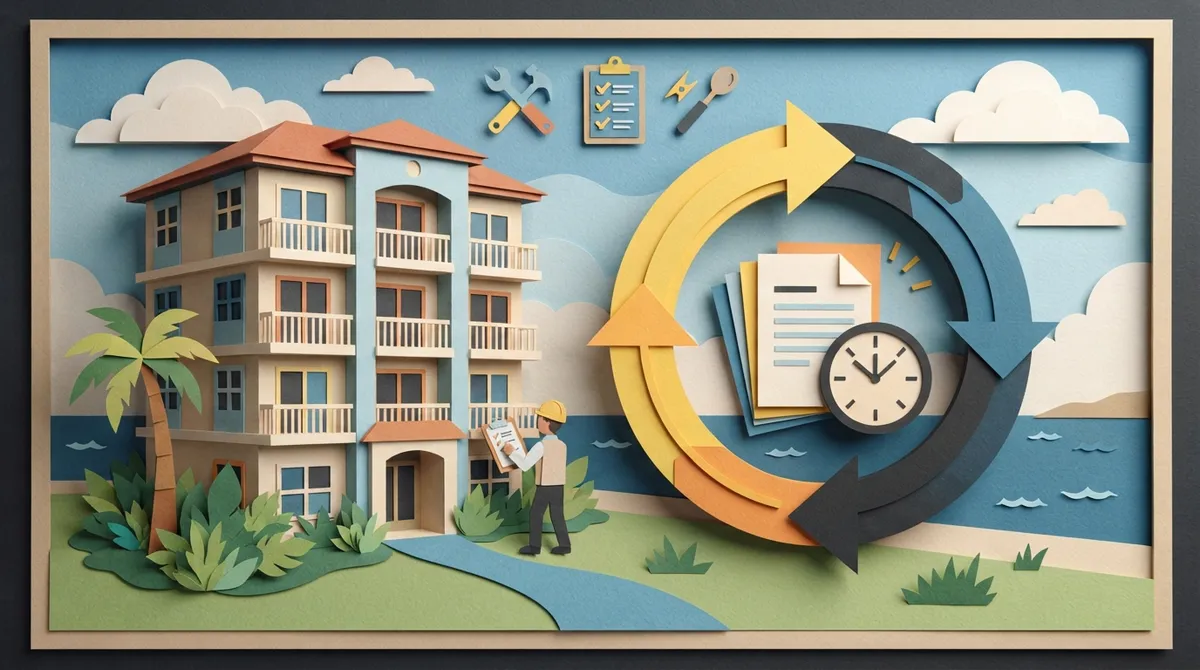
Passing your first recertification inspection isn’t the finish line. After the initial 25-year inspection, covered buildings generally need follow-up inspections every 10 years. Think of it like a routine checkup for your building’s health.
This cycle helps catch small problems before they become big, expensive ones. Concrete, electrical systems, and structural elements all age over time, especially in South Florida’s salty, humid coastal climate. Buildings near the water, like many in Hillsboro Beach, face extra wear from moisture and storms.
Why the 10-Year Cycle Matters
Regular inspections protect residents and property values alike. They also give condo boards and property managers a predictable schedule to budget for repairs and reserve funds. If you want to understand how this fits into long-term planning, check out our piece on the importance of building recertification for property longevity.
- Initial inspection occurs at 25 years of building age.
- Follow-up inspections occur every 10 years after that.
- Each inspection cycle includes structural and electrical assessments.
- Owners must confirm their exact deadline with the town or county.
- Missing a deadline can trigger fines or legal complications.
3. Not Every Building Needs Recertification
Good news: some buildings are exempt from this process. Broward County guidance suggests that minor structures under 3,500 square feet may be exempt. Single-family homes, two-family dwellings, government buildings, and schools may also fall outside the program’s scope.
That said, exemptions depend heavily on your building’s size, type, and how local rules are applied. It’s never safe to assume you’re exempt without confirming with the building official first. Guessing wrong could mean missing a required inspection entirely.
- Single-family and two-family homes are commonly excluded.
- Small structures under 3,500 square feet may qualify for exemption.
- Government buildings and schools often have separate rules.
- Confirmation from the local building official is always required.
If you manage a condo, apartment complex, or commercial property, chances are you’re covered under the program. To dig deeper into who needs inspections, take a look at our guide on what building recertification is and why it matters.
4. Licensed Professionals Must Handle Your Inspection
You can’t just hire anyone to sign off on your building’s safety. Florida law requires a licensed architect or professional engineer to perform the inspection and prepare the structural and electrical reports. This isn’t a paperwork formality. It’s there to protect residents, workers, and the public.
Depending on what the inspector finds, you might also need specialists. Seawall issues, fire-safety concerns, or nonconforming conditions sometimes require additional expert review. This is especially true for coastal buildings in Hillsboro Beach that face constant exposure to salt air and storm surge.
What a Recertification Inspection Actually Covers
| Inspection Area | What Inspectors Check |
|---|---|
| Structural Systems | Foundation, walls, roof, load-bearing elements |
| Electrical Systems | Wiring, panels, grounding, code compliance |
| Concrete Condition | Cracking, spalling, corrosion of rebar |
| Coastal Elements | Seawalls, balconies, exterior facades |
| Fire Safety | Alarms, sprinklers, egress pathways |
Foundation cracks and hairline fractures are common findings in older coastal buildings. We break down what these mean for your property in our article about foundation cracks in commercial buildings. Choosing the right professional matters too. Our guide on how to choose licensed building inspectors walks you through what to look for.
At O’Reilly Consultants, we use drones and 3D laser scanning to get faster, more accurate results without disrupting your building’s daily operations. This technology helps us spot problems that traditional inspections might miss, giving you peace of mind and a clearer picture of your building’s condition.
5. Submitting Your Report Correctly Prevents Delays
Once your inspection is complete, the report and supporting documents must go through the proper channel. For Hillsboro Beach, that means following the town’s specific submission instructions rather than assuming procedures from a neighboring city apply.
The Town of Hillsboro Beach identifies George Folles as its building official and Mariana El-Sayed as its permit administrator through the town’s Building Safety Program page. If you need public records or copies of past building safety reports, the town clerk’s office can help. This is especially useful for condo associations doing due diligence before a sale or refinance.
- Complete the structural and electrical inspection with a licensed professional.
- Gather all supporting documents and photos.
- Submit the report through the town’s designated building department.
- Address any deficiencies identified in the report.
- Obtain final approval and keep records for future reference.
If repairs are needed, don’t panic. A recertification finding is a safety assessment, not an automatic declaration that your building is unsafe. Many issues are minor and can be resolved quickly with the right contractor. For more on what these reports include, see our post on what a commercial building inspection really covers.
How O’Reilly Consultants Makes Recertification Simple
We know this process can feel overwhelming, especially if it’s your first time going through it. That’s exactly why our team exists. Led by owner and qualifying architect Sherard O’Reilly, we bring deep expertise in property condition assessments, structural documentation, and safety-focused inspections across Broward and Miami-Dade Counties.
Our team includes Construction Manager and Engineer Catalina Torres, who brings 27 years of civil engineering and construction management experience to every project. We also have Project Engineer Rafael Ojeda, who has completed over 1,000 Phase I Environmental Site Assessments across South Florida. Together, this team ensures your Hillsboro Beach building recertification is handled thoroughly and correctly the first time.
- Drone and 3D laser scanning for accurate, non-invasive assessments.
- Clear, detailed reports with actionable recommendations.
- Guidance from initial county notice through final submission.
- Support for condos, HOAs, apartments, offices, and commercial properties.
- Related services including SIRS, PCA, and HOA reserve studies.
We also serve many neighboring communities. If you manage property outside Hillsboro Beach, take a look at our guides for Hillsboro Beach electrical safety inspections or our comparison of SIRS versus standard reserve studies for Hillsboro Beach. You can also explore how HOA reserve studies compare to SIRS requirements in our article on HOA reserve studies versus SIRS in Hillsboro Beach.
Don’t just take our word for it. You can see what our O’Reilly Consultants customers say on Google by visiting our Google Business profile. We’re proud of the relationships we’ve built with condo boards, HOA managers, and property owners throughout the region.
Comparing Broward County Rules to Miami-Dade Requirements
If you own properties in both counties, it helps to understand the differences. Miami-Dade County has its own recertification timeline and process, separate from Broward’s revised 25-year rule. You can review official guidance directly through the Miami-Dade County Recertification page, and you can even search Miami-Dade building recertification cases to check a specific property’s status.
| Feature | Broward County (Hillsboro Beach) | Miami-Dade County |
|---|---|---|
| Initial Inspection Age | 25 years (revised program) | Varies by municipality, often 40 years or 30 years near coast |
| Recurring Cycle | Every 10 years | Every 10 years after initial certification |
| Governing Statute | Florida Statutes 553.899 | Florida Statutes 553.899 |
| Local Authority | Town of Hillsboro Beach Building Department | Miami-Dade RER Building Recertification Section |
Because rules can vary even within the same county, always confirm your building’s exact requirements with the local building official. For a broader overview of these differences, our article on Miami-Dade building recertification offers helpful context.
Your Next Steps for a Smooth Recertification
Getting through building recertification doesn’t have to be stressful. With the right team and a clear plan, you can meet every deadline and keep your building safe for everyone who lives, works, or visits there. Here’s a simple recap to keep you on track.
- Confirm your building’s exact inspection deadline with the town.
- Hire a licensed architect or engineer for the inspection.
- Review the report carefully and address any findings.
- Submit all documents to the correct local building department.
- Schedule your next inspection 10 years out to stay ahead.
We also recommend reading our guide on key steps in the building recertification process for a deeper dive into each stage. And if you’re comparing inspector qualifications, our post on certified versus general inspectors can help you make the right choice.
You don’t have to navigate this alone. Our friendly, experienced team is ready to guide you every step of the way, from your first notice to your final approval. Request a free quote today, or call us at (512) 567-1191 to speak with someone who genuinely cares about your building’s safety and your peace of mind. We’re honored to serve the Hillsboro Beach community, and we’d love to help you cross recertification off your to-do list with confidence.
FAQs
Q: When is building recertification required in Hillsboro Beach, Florida?
A: Under Broward County’s revised program, most covered buildings need an initial safety inspection at 25 years of age. After that, follow-up inspections happen every 10 years. Your exact deadline will be spelled out in your building’s official notice, so always double-check with the town.
Q: Does Hillsboro Beach require recertification at 25 years or 40 years?
A: Great question, and one we hear often! The county updated its rules, moving from the old 40-year standard to a 25-year initial inspection requirement. Some older materials online still mention 40 years, so it’s best to confirm your building’s specific deadline with the town directly.
Q: What buildings are exempt from Broward County building recertification?
A: Single-family homes, two-family dwellings, government buildings, and schools are commonly exempt. Small structures under 3,500 square feet may also qualify. That said, every exemption depends on your building’s specific type and size, so checking with your local building official is always the safest bet.
Q: Who is qualified to perform a Hillsboro Beach building recertification inspection?
A: A licensed Florida architect or professional engineer must perform the inspection and prepare your structural and electrical reports. Our team at O’Reilly Consultants includes exactly these qualified professionals, so you’re in good hands from start to finish.
Q: What happens if a Hillsboro Beach building fails its recertification inspection?
A: Don’t worry, a failed inspection doesn’t mean your building is unsafe right now. It simply means repairs are needed to meet current safety standards. Your inspector will outline exactly what needs fixing, and once repairs are done, you can resubmit for final approval.