

Key Takeaways
-
Lauderdale-by-the-Sea requires milestone inspections at 25 years (instead of the statewide standard 30 years) due to saltwater exposure that accelerates concrete and rebar corrosion in coastal buildings.
-
Only Florida-licensed architects or engineers under chapters 481 or 471 can legally perform milestone inspections; condo associations are responsible for hiring and paying for the inspection.
-
Milestone inspections consist of two phases: Phase One is a visual examination of structural components, and Phase Two (if needed) involves detailed testing to assess the extent of structural deterioration.
-
Milestone inspections are a separate state-mandated compliance program (Florida Statutes §553.899) and do not satisfy Broward County's 40-year recertification requirement; confirm with local officials which programs apply to your building.
-
Gather your certificate-of-occupancy date, previous inspection reports, as-built drawings, and renovation records before hiring an inspector to streamline the assessment process.
-
If deficiencies are found, the engineer documents them and recommends repairs; associations can combine their structural integrity reserve study with the milestone inspection deadline (by December 31, 2026) to streamline budgeting and paperwork.
If you own or manage a condo building near the ocean in Lauderdale-by-the-Sea, you’ve probably heard the words “milestone inspection” more than a few times lately. Maybe your board president mentioned it at the last meeting. Maybe you got a letter from the town. Either way, we know it can feel like a lot to figure out on your own, and that’s exactly why we’re here. Grab a cup of coffee, and let’s walk through this together, one friendly fact at a time.
Because Lauderdale-by-the-Sea sits right on the coast, saltwater exposure plays a bigger role in your building’s timeline than you might expect. This guide breaks down exactly what a milestone inspection is, when yours might be due, and how to move through the process without losing sleep over it. We’ll also touch on how this differs from other recertification programs you may need to juggle at the same time.

1. Milestone Inspections Are a Florida Law, Not a Local Suggestion
Florida Statutes section 553.899 created the milestone inspection program after the tragic Surfside collapse, and it applies statewide. This law mainly covers residential condominium and cooperative buildings that are at least three habitable stories tall. It does not automatically apply to every commercial building, apartment complex, or single-family home, so it’s worth confirming your building’s classification early.
For condo association boards especially, this distinction matters because it determines who’s on the hook for scheduling and paying for the inspection. If your building qualifies, the association is responsible for arranging everything, from hiring an inspector to sharing the report with owners.
2. The Standard Trigger Is 30 Years, but Coastal Towns Can Move It to 25
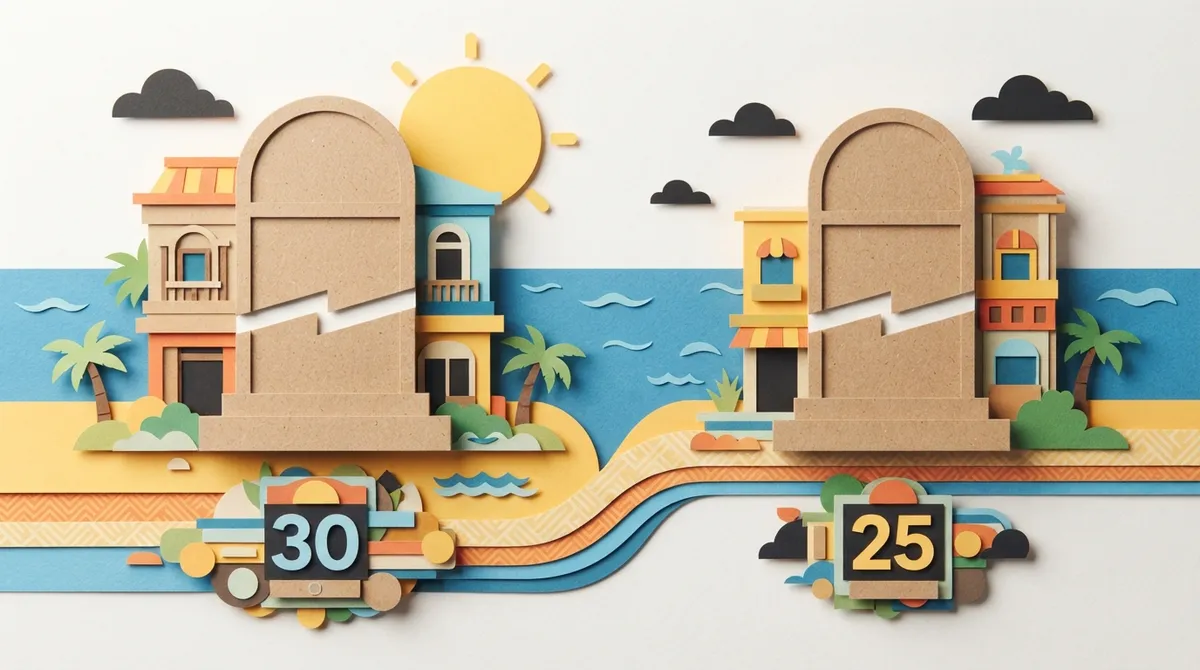
Here’s where things get interesting for our neighbors in Lauderdale-by-the-Sea. The general rule says a qualifying building needs its first milestone inspection when it turns 30 years old, counting from the certificate-of-occupancy date. After that first inspection, it repeats every 10 years.
But because Lauderdale-by-the-Sea is a saltwater-exposed coastal community, the local enforcement agency may require that first inspection at 25 years instead of 30. Salt air is tough on concrete, rebar, and structural connections, so this earlier trigger makes a lot of sense for beachfront and near-beach properties. If you’re unsure which threshold applies to your address, it pays to check directly with the Town or Broward County building officials rather than guessing.
Why the 25-Year Rule Exists
Salt water speeds up corrosion in a way that inland buildings simply don’t experience. That’s why the statute gives local agencies the authority to set an earlier trigger based on proximity to the coast. It’s not about penalizing coastal towns; it’s about catching problems while they’re still small and manageable.
3. Who’s Actually Allowed to Perform the Inspection
You can’t just hire any contractor for this job. A milestone inspection must be performed by a Florida-licensed architect or engineer authorized under chapters 481 or 471. These professionals are trained to evaluate life safety, structural adequacy, and the condition of load-bearing elements.
This is exactly the kind of specialized work our team focuses on every day. Our experienced engineering team is led by owner and qualifying architect Sherard O’Reilly, who brings years of hands-on experience with property condition assessments and detailed building documentation. Working alongside Construction Manager and Engineer Catalina Torres, who has 27 years of civil engineering experience, our team knows exactly what county officials expect to see in a compliant report.
4. The Two Phases of a Milestone Inspection
Understanding the phases can help you know what to expect on inspection day, and afterward.
- Phase One: A visual examination of habitable and uninhabitable areas, plus major structural components. Inspectors look for cracking, spalling, corrosion, and other visible signs of trouble.
- Phase Two: If phase one turns up substantial structural deterioration, phase two kicks in. This usually means more detailed testing, and sometimes destructive or partially destructive investigation to understand the true extent of damage.
Not every building will need phase two. Many pass phase one with only minor notes and recommendations. But it’s smart to budget for the possibility, especially for older buildings closer to the water.
5. What Documents You’ll Need Before Hiring an Inspector
Getting organized ahead of time saves everyone a headache. Here’s a simple checklist to gather before your inspector arrives:
- Certificate of occupancy or original building permit records
- Previous structural inspection reports, if any exist
- As-built drawings or architectural plans
- Records of past repairs or renovations
- Association bylaws related to building maintenance and access
- Contact information for unit owners who may need to grant access
If you can’t find your certificate-of-occupancy date, don’t panic. Florida law allows the local building official to use other occupancy evidence found in local records to establish the timeline.
6. Milestone Inspections Aren’t the Same as Broward County Recertification
This is one of the most common points of confusion we hear from association boards, and it’s an important one. A milestone inspection is a state-mandated program under section 553.899. It is separate from Broward County or municipal building-safety, electrical, or structural recertification requirements, including any 40-year recertification obligations.
Your building might need both a milestone inspection and a separate 40-year recertification depending on its age and location. We always recommend treating these as two potentially separate compliance programs rather than assuming one satisfies the other. Our article on 40-year recertification in Broward County breaks down how these programs can overlap.
How to Confirm Which Programs Apply to Your Building
The safest approach is written confirmation from your local building official. Don’t assume a recent inspection report satisfies every requirement. Ask specifically whether your milestone inspection also covers any Broward County or Town of Lauderdale-by-the-Sea recertification mandates.
7. What Happens If Deficiencies Are Found
Finding problems isn’t the end of the world, and honestly, it’s the whole point of the inspection. But it does start a process that boards should plan for financially and logistically.
- The engineer documents deficiencies in the phase one or phase two report.
- The association reviews findings with its engineer or architect to understand severity.
- A licensed professional prepares repair recommendations and permitting documents.
- The association applies for necessary permits and schedules repair work.
- After construction, a closeout or follow-up certification confirms the repairs meet code.
This is also where a structural integrity reserve study becomes valuable. Associations whose milestone inspection is due on or before December 31, 2026, can complete their reserve study at the same time, which streamlines both the paperwork and the budgeting conversation with owners.
8. Access Requirements and What Unit Owners Should Expect
Many owners wonder whether inspectors need to enter individual units. The honest answer is: sometimes. Phase one generally covers common areas and major structural components, but if certain load-bearing walls or connections are only accessible from inside a unit, the association may need to coordinate access.
Being upfront with residents early helps avoid frustration later. A short notice explaining why access matters, and how it protects everyone’s safety and property value, goes a long way toward smooth scheduling.
9. How Much a Milestone Inspection Typically Costs
Costs vary based on building size, age, number of stories, and whether phase two testing is required. Below is a general breakdown to help with budgeting conversations.
| Building Factor | Impact on Cost |
|---|---|
| Number of stories | Taller buildings require more inspection time and equipment |
| Building age | Older buildings may show more deterioration, increasing scope |
| Phase two testing needed | Adds cost for destructive/partially destructive testing |
| Access complexity | Units requiring interior access can extend timelines |
| Drone and 3D scanning use | Can reduce labor time and improve accuracy of documentation |
Using advanced technology like drones and 3D laser scanning often speeds up the visual assessment phase while producing more precise documentation. That combination of speed and accuracy tends to save associations money in the long run.
Comparing Milestone Inspections to Other Recertification Programs
Because so many Lauderdale-by-the-Sea buildings juggle multiple compliance programs at once, here’s a quick side-by-side comparison.
| Program | Governing Body | Typical Trigger | Repeat Cycle |
|---|---|---|---|
| Milestone Inspection | State of Florida (§553.899) | 25 or 30 years | Every 10 years |
| 40-Year Recertification | County/Municipal | 40 years | Every 10 years after |
| Structural Integrity Reserve Study | State of Florida (§718.112) | Tied to milestone deadline | Every 10 years |
If your building is in Miami-Dade County instead, the rules differ slightly. You can learn more in our guide on Miami-Dade building recertification, or check the official Miami-Dade County Recertification page for current filing details.
Steps to Take Right Now
Feeling a little overwhelmed is completely normal. Here’s a simple order of operations to get your building moving in the right direction.
- Confirm your building’s certificate-of-occupancy date with local records.
- Check with the Town of Lauderdale-by-the-Sea whether the 25-year or 30-year threshold applies to your address.
- Gather past inspection reports and architectural plans.
- Hire a licensed architect or engineer authorized to perform milestone inspections.
- Notify unit owners about upcoming access needs.
- Budget for potential phase two testing and repairs.
- Ask whether your reserve study can be completed alongside your milestone inspection.
You can also search Miami-Dade Building Recertification Cases to see how similar buildings in the region have navigated their filings, which can be a helpful reference point even if your building falls under Broward jurisdiction.
Why Choose O’Reilly Consultants for Your Milestone Inspection
We know coastal buildings inside and out, and we’ve built our entire practice around helping South Florida associations stay compliant without the stress. Our team includes Project Engineer Rafael Ojeda, who has more than 16 years of environmental due diligence experience and has completed over 1,000 Phase I Environmental Site Assessments across South Florida.
From phase one visual assessments to full phase two testing, we handle it all with a focus on clear communication and realistic timelines. We also offer related services like electrical safety inspections, property condition assessments, and HOA reserve studies, so you’re not juggling five different vendors for one building.
Curious what other Lauderdale-by-the-Sea property owners think of working with us? You can visit us on Google — O’Reilly Consultants to read real reviews from local clients.
Final Thoughts on Your Milestone Inspection Journey
Milestone inspections might feel intimidating at first glance, but they’re really just a structured way to keep everyone in your building safe and your property value protected. With the right team guiding you through certificate-of-occupancy research, phase one and phase two testing, and coordination with local officials, the whole process becomes much less scary.
We’d genuinely love to help your Lauderdale-by-the-Sea building move through this process smoothly and confidently. Request a free quote today, or call us at (512) 567-1191 to talk through your building’s specific timeline with our friendly team.
FAQs
Q: Does every condominium in Lauderdale-by-the-Sea need a milestone inspection?
A: Not every building, but most residential condos and co-ops that are at least three habitable stories tall do qualify. If you’re not sure about your building, we’re happy to help you check with the Town so you know exactly where you stand.
Q: Is the milestone-inspection trigger 25 years or 30 years in Lauderdale-by-the-Sea?
A: It depends on your local enforcement agency’s determination, since coastal towns like Lauderdale-by-the-Sea can require the earlier 25-year threshold. The safest bet is confirming directly with the Town or Broward County, and our team can help you track that down.
Q: Who is authorized to perform a Florida milestone inspection?
A: Only a Florida-licensed architect or engineer under chapters 481 or 471 can legally perform this inspection. Our team, led by qualifying architect Sherard O’Reilly, meets these requirements and has the coastal building experience to back it up.
Q: Is a milestone inspection the same as a Broward County 40-year recertification?
A: Nope, these are two separate programs, even though they sometimes overlap in timing. We always recommend getting written confirmation from your local building official so you know exactly which requirements apply to your specific building.
Q: What happens if a condominium fails its milestone inspection?
A: Failing simply means deficiencies were found, and your engineer will help outline a repair plan with permitting documents. It’s not a dead end, it’s just the next step toward keeping your building safe and compliant for years to come.